
Hearing Research
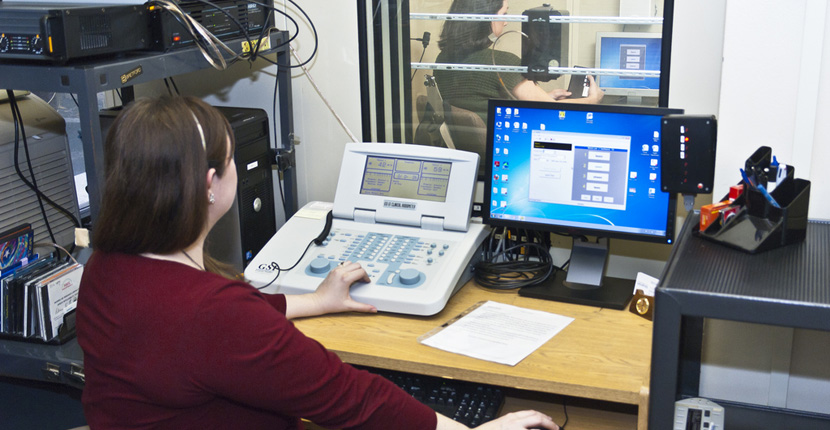
Auditory Processing Laboratory
Directed by Deborah Moncrieff, Ph.D., the focus of the Auditory Processing Laboratory is on the diagnosis and treatment of amblyaudia, a common auditory processing difficulty that interferes with communication, language development, learning and reading in individuals across the lifespan.
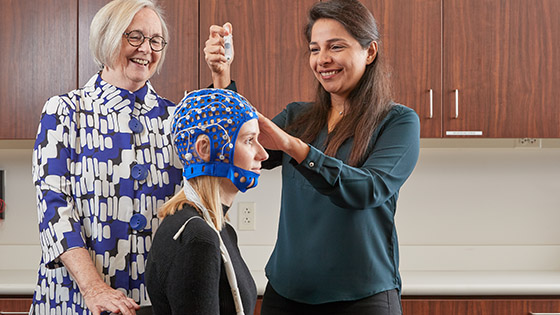
CHIRRP (Consortium for Hearing, Imbalance, Rehabilitation, and Research in Pediatrics)
Co-directed by Dr. Celine Richard, MD, PhD, and Dr. Thierry Morlet, Ph.D., CHIRRP is a multidisciplinary pediatric consortium dedicated to improving the lives of children with auditory and vestibular disorders. CHIRRP brings together deep expertise in audiology, otolaryngology, neuroscience, pediatric rehabilitation, and allied health to optimize clinical care, standardize diagnostic practices, and accelerate impactful research for children with hearing and balance disorders—whether congenital, acquired, syndromic, or treatment-related.

Cochlear Implant Research Laboratory
The Cochlear Implant Research Laboratory is directed by Sarah E. Warren, Au.D., Ph.D., licensed audiologist. The vision of the Cochlear Implant Research Lab is to advance patient outcomes in adults and children with severe-to-profound hearing loss through the use of cochlear implants and other implantable hearing devices.

Cognitive Neuroscience of Hearing Lab
Directed by Kelsey Mankel, Ph.D. research in the Cognitive Neuroscience of Hearing Lab focuses on the dynamic interplay between auditory perception, cognition, and neuroplasticity. Employing a multifaceted approach that spans both basic science and clinical applications, she investigates how the brain encodes complex sounds like speech and music along the auditory hierarchy. Additionally, her work explores how this process changes with diverse experiences (e.g., music training, lifetime noise exposure) and the influence of individual differences in shaping auditory perception abilities.
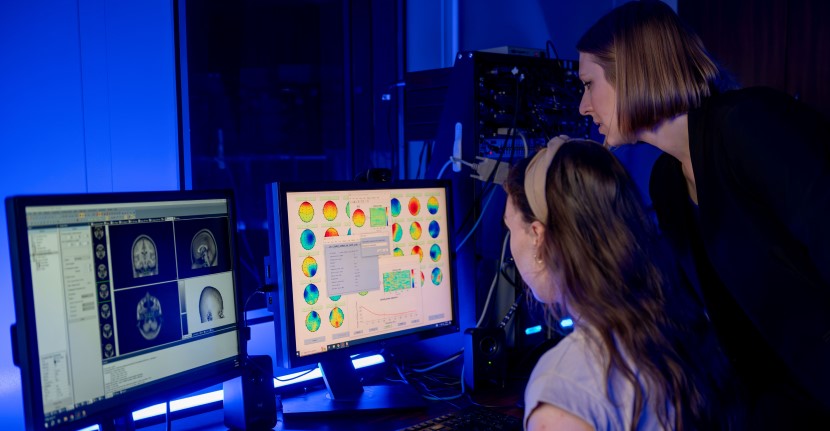
Hearing Aid Research Laboratory

Study Name: Comparing Auditory Rehabilitation Programs.
Contact Name & Email & Number: Dr. Jani Johnson (jajhns10@memphis.edu) 901-678-5848
Eligibility: Adults aged 65 years or older who were fit with hearing aid(s) within the last 6 months, have sufficient ability to communicate and read in English, have no significant cognitive impairment, are comfortable using technology and the internet, have access to an email account, and have availability to complete all study activities (i.e. online questionnaires and required study assignments and activities).
Duration: The study will last about 4-5 weeks with sessions lasting between 60 and 90 minutes.
Compensation: Participants will receive up to $200 for completing study activities.
This study evaluates different hearing rehabilitation programs to better understand their impact on communication, social engagement, and overall quality of life for people with hearing loss.
Pediatric Auditory Research Laboratory
Directed by Thierry Morlet, Ph.D., the Pediatric Auditory Research Laboratory (PARL) is dedicated to the study of hearing ability in infants and children of all ages with varying degrees of hearing loss. The lab’s research focuses on improving the detection and diagnosis of different types of hearing loss, specifying individual functional hearing abilities, and developing personalized hearing loss management strategies. A primary goal of PARL is to ensure Deaf and Hard-of-Hearing children have access to the auditory information essential for speech and language development.

Vestibular Research Lab

Directed by Raghav Jha, Ph.D., The Vestibular Research Laboratory (VRL), directed by Dr. Raghav H. Jha, investigates the functioning of the vestibular system, the sensory system responsible for maintaining balance and spatial orientation. The lab focuses on advancing the understanding of age-related changes in vestibular physiology and balance function, with the long-term goal of reducing fall risk among older adults. An emerging area of research explores whether dance-related neural reorganization can serve as a therapeutic mechanism to mitigate balance impairments and fall risk.
Article: NIH Award Expands UofM Research into Balance Across the Lifespan
