








Department of Psychology

Child Health and Illness (CHILL) Laboratory

Child Health and Illness Laboratory (CHILL Lab)

CHILL Lab logo

Welcome to the Child Health and Illness Laboratory (CHILL). The lab, directed by Dr. Kristoffer Berlin, is a part of the Child and Family Research Area and the Clinical Psychology program. Current or prospective graduate students are welcome to contact Dr. Berlin directly. Undergraduate students interested in gaining research experience in the CHILL Lab should complete this Research Assistant Information Sheet and email it to Dr. Berlin at ksberlin@memphis.edu.

Research Assistant Information Sheet


Focus and Mission:


Our Lab's foci are on the cultural, familial, and behavioral factors that promote wellness and reduce morbidity among families made vulnerable to health inequity, given their positionality amid intersecting ecological systems of privilege/oppression. As a pediatric psychology lab, our mission is to actively promote the health and psychological well-being of all children, youth, families, and communities through our Practice, Education, Advocacy, and Research. 

More specifically, this research includes:

  • Explore cultural, family, and behavioral factors that equitably promote health and reduce morbidity in childhood chronic illness.
  • Develop interventions for youth and their families informed by Multicultural Orientation Framework and Acceptance and Commitment Therapy.
  • Examine models of stress and adaptation to equitability promote health-related quality of life, glycemic health, and diabetes self-management, among adolescents living with diabetes and their families.
  • Integrate quantitative, qualitative, behavioral, and diversity science methodologies to inform, develop, and refine clinical health interventions and assessments to promote health equity.

Current Projects

It is a National Institute on Minority Health and Health Disparities of the National Institutes of Health-funded study to develop an intervention aimed at improving health outcomes in Black youth with type 1 diabetes. The five-year award, "Family mHealth Intervention to Improve Health Outcomes in Black Youth with Type 1 Diabetes: A Multi-Center Randomized Controlled Trial," will test a brief intervention delivered through mobile health technology intended to optimize family interactions related to diabetes care.

Investigates the relations between cost and reward discounting, microaggressions (diabetes, income, racial), diabetes identity, and youth's perceptions of their health care professional's cultural comfort, humility, and opportunities.

A systematic review of test fairness among psychosocial measures used with youth with diabetes

INQUIRE hopes to explore how the initiation of Closed-Loop Technology influences trajectories of Glycemic Health and Quality of Life among youth with Type 1 Diabetes and their families.

Is developing and testing equitable psychosocial screening and process measures (including computerized adaptive testing) for diabetes clinics.

Interviewing pediatric psychologists living with Type 1 Diabetes about their experiences.

The VITALS project will also explore the youth, caregivers, and healthcare professionals' conceptualization, experiences, and effects of stigma, racism, and discrimination among the T1D community.


Past Projects 

The PRYDE study (Predicting Resiliency in Youth with Type 1 DiabEtes) is a collaboration with LeBonheur Children's Hospital Diabetes Clinic. A longitudinal study was conducted from 2013 to 2018 to identify predictors of adherence and glycemic control based on diabetes-specific social information processing and acceptance-based coping models that may reduce health disparities.

Type-1 diabetes (T1D) in childhood is a prevalent and costly disorder associated with substantial morbidity that differentially impacts low-income and minority youth and their families. Given the increased risk for life-threatening consequences of elevated blood glucose and evidence of only modest treatment efficacy in general, the objective of this study was to develop a culturally tailored Acceptance and Commitment Therapy-based behavioral intervention to enhance glycemic health and quality of life in Adolescents with Type-1 diabetes and their families.

The BRAVO intervention was developed within a multicultural orientation (MCO) framework to acknowledge families' diverse sociocultural contexts and clinical needs. This intervention aimed to deliver Focused Acceptance and Commitment Therapy to increase adolescents' and caregivers' health-related psychological flexibility by supporting values-consistent behavior change through openness to internal experiences and present-moment awareness. Initially developed for families seeking bariatric surgery, we hope to expand this intervention to other pediatric populations.

Lab Members 


Kristoffer Berlin
 

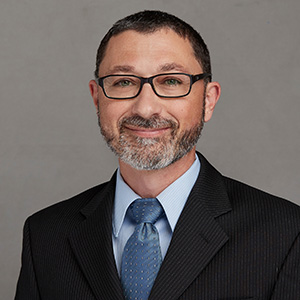
Kristoffer S. Berlin, PhD, HSP, is a Professor of Clinical Psychology in the Department of Psychology at the University of Memphis and the Director of the CHILL Lab. He received his PhD. in Clinical Psychology from the University of Wisconsin-Milwaukee and completed his internship and Pediatric Psychology postdoctoral fellowship at Brown University. His program of research has focused on the cultural, familial, and behavioral factors that promote wellness and reduce morbidity among families made vulnerable by disparate outcomes stemming from their positionality within intersecting ecological systems of inequality (e.g., racism, classism, sexism, ableism, regionalism, and ageism). Thematically, these papers focus on 1) Increasing the Accessibility and Equitable Utilization of Advanced Statistical Approaches; 2) Development, Validation, and Cultural Bias Evaluations of Evidence-Based Assessment Measures; and 3) Identifying modifiable factors (and developing interventions) that Promote Health Equity and Social Justice in Pediatric Populations. He is also a licensed clinical psychologist with a health service provider designation in the state of Tennessee. 


hgfhggf

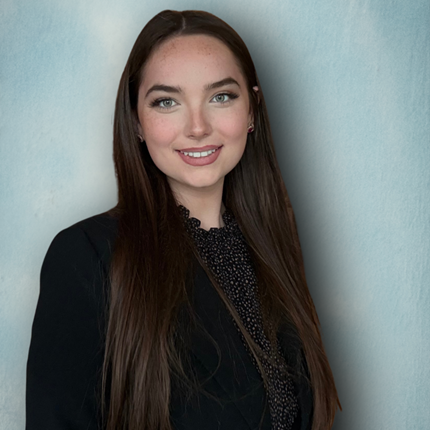
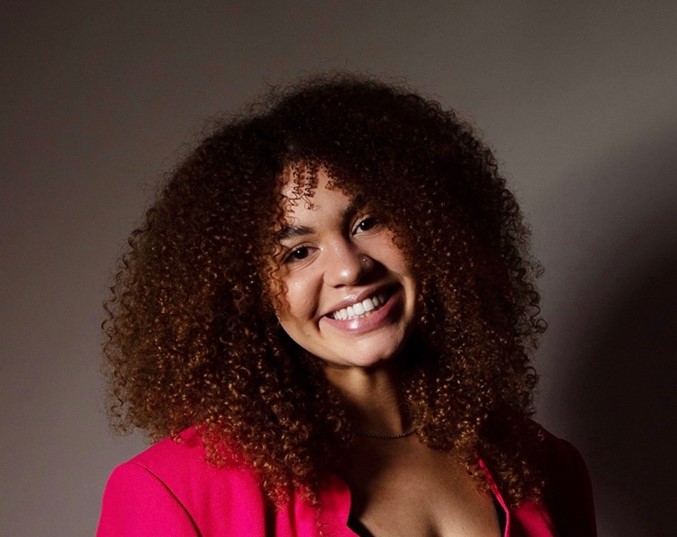
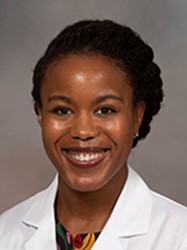
Adora Choquette, MS, is currently on an internship at Dell Medical School/Dell Children's Medical Center. She grew up in Austin, Texas, before receiving her B.A. in psychology from Baylor University. She then spent two years as a research coordinator at the University of Texas Southwestern Medical Center in Dallas, Texas. Her present research interests include understanding the role of modifiable psychosocial factors in health-related outcomes among youth with chronic health conditions, particularly in reducing health disparities among minoritized youth. Adora enjoys walking her dog, Teddy, playing piano, figure skating, and attending local live music events. Texas before receiving her B.A. in psychology from Baylor University. She then spent two years as a research coordinator at the University of Texas Southwestern Medical Center in Dallas, Texas. Her present research interests include understanding the role of modifiable psychosocial factors in health-related outcomes among youth with chronic health conditions, particularly in reducing health disparities among minoritized youth. Adora enjoys walking her dog, Teddy, playing piano, figure skating, and attending local live music events.


Kishan Desai

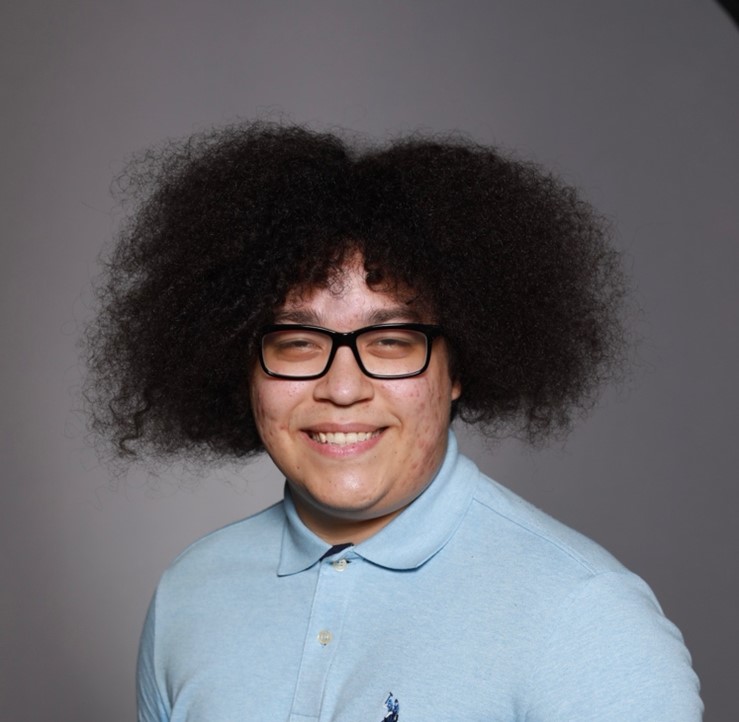
Kishan "Kish" Desai, MS, is a fourth-year student in the clinical psychology PhD program. He grew up in Kansas City, Kansas, receiving his B.A. in psychology from New York University. He then spent three years as a research coordinator at Baylor College of Medicine and Texas Children's Hospital in Houston, Texas. His present research interests include exploring the role of social determinants of health in the management of chronic illness by youth and their families. Kish enjoys rock climbing, running, playing video games and eating.


Vinkyra Ellison

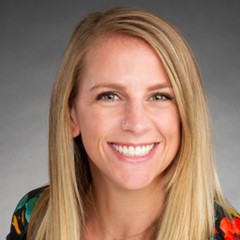
Vinkrya "Kyra" Ellison, MS, is a Clinical Psychology doctoral student. She earned her Master of Science degree in General Psychology from the University of Memphis and her Bachelor of Science in psychology from the University of Central Florida. Kyra's research interests encompass cultural and family factors, health disparities, and pediatric care. She aspires to be a catalyst for change, advocating policy reforms that foster cultural humility in healthcare and serving as a voice for historically marginalized individuals. Kyra is from the sunny city of Miami, Florida. She enjoys traveling and relaxing at the beach.


placeholder

Corey Jackson, BS, is a second-year student in the clinical psychology PhD program here at the University of Memphis. He is originally from the Northern Virginia area and attended Virginia Commonwealth University in Richmond, Virginia, where he graduated with a Bachelor of Science in both Psychology & Sociology. His research interests include patient-provider identity congruence, health disparities, and the socioemotional impacts of changes in the type 1 diabetes care regime. In his free time, he enjoys basketball, Formula 1, singing, listening to music, and playing with his pet cat, Astrid.


Caroline McDonald

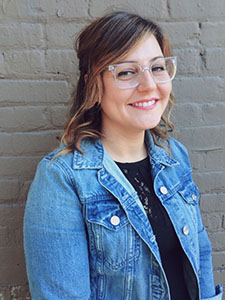
Caroline McDonald, BS, is a first-year Clinical Psychology PhD student at the University of Memphis, specializing in Child-Clinical Psychology. Her current research focuses on bio-psychosocial factors affecting children and families managing pediatric diabetes, with broader interests in reducing health disparities through advancing DEI in chronic illness care, neurocognitive functioning, promoting treatment adherence, and improving care quality. Before graduate study, she spent nearly three years at the Children's Hospital of Richmond at VCU, contributing to research aimed at improving outcomes for children and families navigating chronic illnesses in pediatric hematology, oncology, and transplantation. She earned her B.S. in Psychology from Virginia Commonwealth University in 2024. Caroline is dedicated to a career as a researcher-clinician in Pediatric Psychology, with a focus on understanding the etiological factors that shape treatment and outcomes among at-risk and underserved children and families managing chronic illness. In her free time, Caroline loves animals, Bravo TV, true crime, long walks, and Diet Coke.


Randy Smith

Randall "Randy" Smith, BS, is a Master of Science in General Psychology student at The University of Memphis. Randy grew up in Northern Virginia and earned his B.S. in psychology from Virginia Commonwealth University. After graduation, he spent three years at the Children's Hospital of Richmond, where he worked with pediatric populations diagnosed with hematology-oncology health conditions. His research interests include the effects of experienced microaggressions, resiliency, and neurocognitive impacts on health-related outcomes among youth with chronic health conditions. Randy enjoys cooking, attending concerts, and trying new foods.


Alec Sisco

Alec Sisco, MS, is in his 3rd-year in the School Psychology doctoral program. He received his Master of Science degree in General Psychology from the University of Memphis. His current research interests include pediatric quality of life, computerized adaptive testing, and the health equity of children living with type 1 diabetes. Alec is a native of Memphis and loves playing rugby, riding his bike, and going for walks with his wife, Heather. 


Ressie Williams

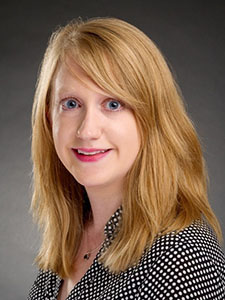
Ressie Carr is an alumna of the University of Memphis, continuing her education in graduate school and focusing on becoming a therapist. In her free time, she enjoys reading, art, and bartending.


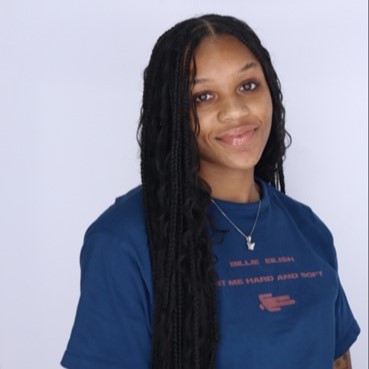
raven williams

Raven Williams is a Senior at the University of Memphis, pursuing a Bachelor of Arts in Psychology with minors in Spanish and Child Development. She aspires to attend graduate school in child clinical psychology to become a dedicated child psychologist. This summer, Raven will intern with Youth Villages, gaining hands-on experience working with adolescents facing social, behavioral, and emotional challenges. In her free time, she enjoys staying active through exercise, cooking, and immersing herself in books.


CHILL Lab Graduates


rane ankey

Rane Ankney, PhD

  • Assistant Teaching Professor, The University of Memphis
  • Doctor of Philosophy in Experimental Psychology (2021), The University of Memphis

Gabrielle Banks

Gabrielle G. Banks, PhD

  • Assistant Professor, Department of Pediatrics, University of Mississippi Medical Center
  • Doctor of Philosophy in Clinical Psychology (2018), The University of Memphis
  • Predoctoral Intern, Baylor College of Medicine/Texas Children’s Hospital
  • Postdoctoral Fellow, Baylor College of Medicine/Texas Children’s Hospital

Jessica Cook

Jessica L. Cook, PhD

  • Instructor, St. Jude Children’s Research Hospital
  • Postdoctoral Fellow, Children’s Hospital Colorado
  • Doctor of Philosophy in Clinical Psychology (2023), The University of Memphis
  • Predoctoral Intern, Children’s Hospital Colorado

Mary Keenan Pfiefer

Mary Keenan-Pfeifer, PhD

  • Pediatric Psychologist, Division of Behavioral Medicine and Clinical Psychology
  • Assistant Professor, UC Department of Pediatrics
  • Postdoctoral Fellow, Cincinnati Children's Hospital Medical Center
  • Doctor of Philosophy in Clinical Psychology (2023), The University of Memphis
  • Predoctoral Intern, Cincinnati Children's Hospital Medical Center

Kimberly Klages

Kimberly Lauren Klages, PhD

  • Assistant Professor, Division of Behavioral Medicine and Clinical Psychology at Cincinnati Children's Hospital Medical Center
  • Doctor of Philosophy in Clinical Psychology (2020), The University of Memphis
  • Predoctoral Intern, Cincinnati Children's Hospital Medical Center
  • Postdoctoral Fellow, Cincinnati Children's Hospital Medical Center

Katherine Semenkovich

Katherine Semenkovich, PhD

  • Clinical Assistant Professor of Pediatrics| The Ohio State University 
  • Pediatric Psychologist, Nationwide Children's Hospital 
  • Doctor of Philosophy in Clinical Psychology (2022), The University of Memphis
  • Postdoctoral Fellow, Riley Children’s Hospital/ Indiana University School of Medicine (2023)
  • Psychology Resident (Predoctoral Intern), Harvard Medical School/ Children's Hospital of Boston (2021)


Tiffany Ryback

Tiffany M. Rybak, PhD

  • Assistant Professor, Division of Behavioral Medicine and Clinical Psychology at Cincinnati Children's Hospital Medical Center
  • Doctor of Philosophy in Clinical Psychology (2019), The University of Memphis
  • Predoctoral Intern, Cincinnati Children's Hospital Medical Center
  • Postdoctoral Fellow, Cincinnati Children's Hospital Medical Center

Recent and Representative Publications


ORIGINAL PEER–REVIEWED PUBLICATIONS (Student/Trainee Author)

  1. Lim, N. E., Porter, J. S., Jones, S. C. T., Berlin, K. S., & Cashel, M. L. (in press). Systemic Framework for Diversity Education: Survey Findings from Clinical Child and Pediatric Psychology Training Directors. Journal of Clinical Child and Adolescent Psychology
  2. Cook, J., Keenan-Pfeiffer, M., Berlin, K.S., Weatherall, Y., & Burton, E. (2025). Multicultural Orientation-Informed Focused Acceptance and Commitment Therapy in Adolescent Bariatric Surgery: A Pragmatic Trial. Clinical Practice in Pediatric Psychology. https://doi.org/10.1177/21694826251337124
  3. Ellison, V. N., Berlin, K. S., Harry, K. R., Keenan, M. A., Cook, J. C., Choquette, A. E., Klages, K. L., Semenkovich, K., Rybak, T. M., Banks, G. G., Sumpter, K., & Eddington, A. E. (2025). Development, Validation, and Item Bias Assessment of the Self-Care Inventory - Short Form among Racially and Income Diverse Adolescents Living with Type 1 Diabetes and their Caregivers. Journal of Pediatric Psychology, 5, 420-432.
  4. Ellison, V. N., Desai, K. R., Eddington, A. R., & Berlin, K. S. (2025). Commentary: Breaking barriers, centering community voices, and advancing equitable diabetes care for Black and Latine families—lessons from the TEAM intervention. Journal of Pediatric Psychology, 50, 399-401.
  5. Engel, M. L., Austin, J. A., Berlin, K. S., Chuning, A. E., Dimentstein, K., Greenberg, B. A., Ahn, J. A., Jehl, N. M., Lampert-Okin, S. L., Lang, A. C., Michlig, J. R., Plevinsky, J. M., Szabo, M. M., Tiberi, A. E., & Kahhan, N.A. (2025). Highlighting the Lived Experiences of Pediatric Psychologists and Trainees with Chronic Illness: A Commentary from the Society of Pediatric Psychology Chronic Illness Affinity Group. Clinical Practice in Pediatric Psychology.
  6. Lupini F.,Hilliard, M.E., Thurston, I.B., Jaser, S.S., Carreon, S.A., Gutierrez-Colina, A.M., Streisand, R., Berlin, K.S., Mackey, E.R. (2025). Rigor and equity in intervention study design in pediatric psychology: A focus on comparator conditions from diabetes research. Journal of Pediatric Psychology, 25, 992-1003.
  7. Choquette, A. E., Berlin, K.S., Choquette, A.E., Berlin, K.S., Desai, K.R., Ankney, R.L., Tillery-Webster, R., Harry, K.R., Holden, T., Cook, J.L., Keenan-Pfeiffer, M.E., Semenkovich, K., Klages, K.L., Rybak, T.M., Banks, G.G., Sumpter, K.M., & Eddington, A. E. (2024). Differential Item functioning of the Revised Multigroup Ethnic Identity Measure (MEIM-R) in Racially and Income Diverse Youth with Type 1 Diabetes. Journal of Pediatric Psychology, 49, 791-801.
  8. Ellison, V. K. Berlin, K. S., Longoria, J. Raches, D. Hankins, J. S., Takemoto, J. Heitzer, A. M. (2024). Empirically Derived Profiles of Neurocognitive Functioning in Youth and Young Adults with Sickle Cell Disease. Journal of Pediatric Psychology, 49, 605-613.
  9. Harry, K. R., Heard, C., & Berlin, K. S. (2024). Searching for Religion and Spirituality: Content Analysis of Pediatric Psychology Journals. Clinical Practice in Pediatric Psychology, 12, 372-380.
  10. Lewin, R. K., Acuff, S. F., Berlin, K. S., Berman, J. S., & Murrell, A. R. (2023). Group-based Acceptance and Commitment Therapy to Enhance Graduate Student Psychological Flexibility: Treatment Development and Preliminary Implementation Evaluation. The Journal of American College Health, 71, 162-171.