College of Arts and Sciences
CAS Faculty Spotlight: Dr. Donal Harris
Wednesday, 18 February 2026
Most people think of reading as a quiet, solitary act — curling up with a book, lost in thought.
But to me, literature has always been social. It's shaped by the institutions we share: the libraries we visit, the schools we attend, the magazines we flip through, the digital archives we browse.
I'm a professor of English and director of the Marcus W. Orr Center for the Humanities at the University of Memphis. My research explores how social institutions influence what we read, how we talk about art and ultimately what we create.
The library, for instance, is more than a building full of books. It's a cultural engine that curates what we have access to, exposes us to information we might not otherwise encounter and shapes how entire communities imagine their place in the world.
When I moved to Memphis, I expected to live the quiet life of a literary historian — reading, writing and teaching about great American novels.
That changed in 2019, when a conversation with a branch manager at the public library led to a project that reframed my career. The city was renovating the historic Cossitt Library downtown, and I was asked to help document its story. What began as a local history project became a partnership between the University of Memphis and the Memphis Public Library that continues to this day.
Through Citizens of Cossitt: The Legacies and Futures of Public Libraries in the South, we've traced how southern public libraries shaped communities — what they collected, who they served and how they evolved. The first book ever checked out from Cossitt, John Bunyan's "The Pilgrim's Progress," tells a story of endurance and faith. Discovering that in the archives felt symbolic of Memphis itself — resilient, reflective always on a journey.
That project sparked others.
Our Digital Neighborhoods Initiative is building an online collection of photographs, oral histories and letters from eight Memphis neighborhoods, created hand-in-hand with residents.
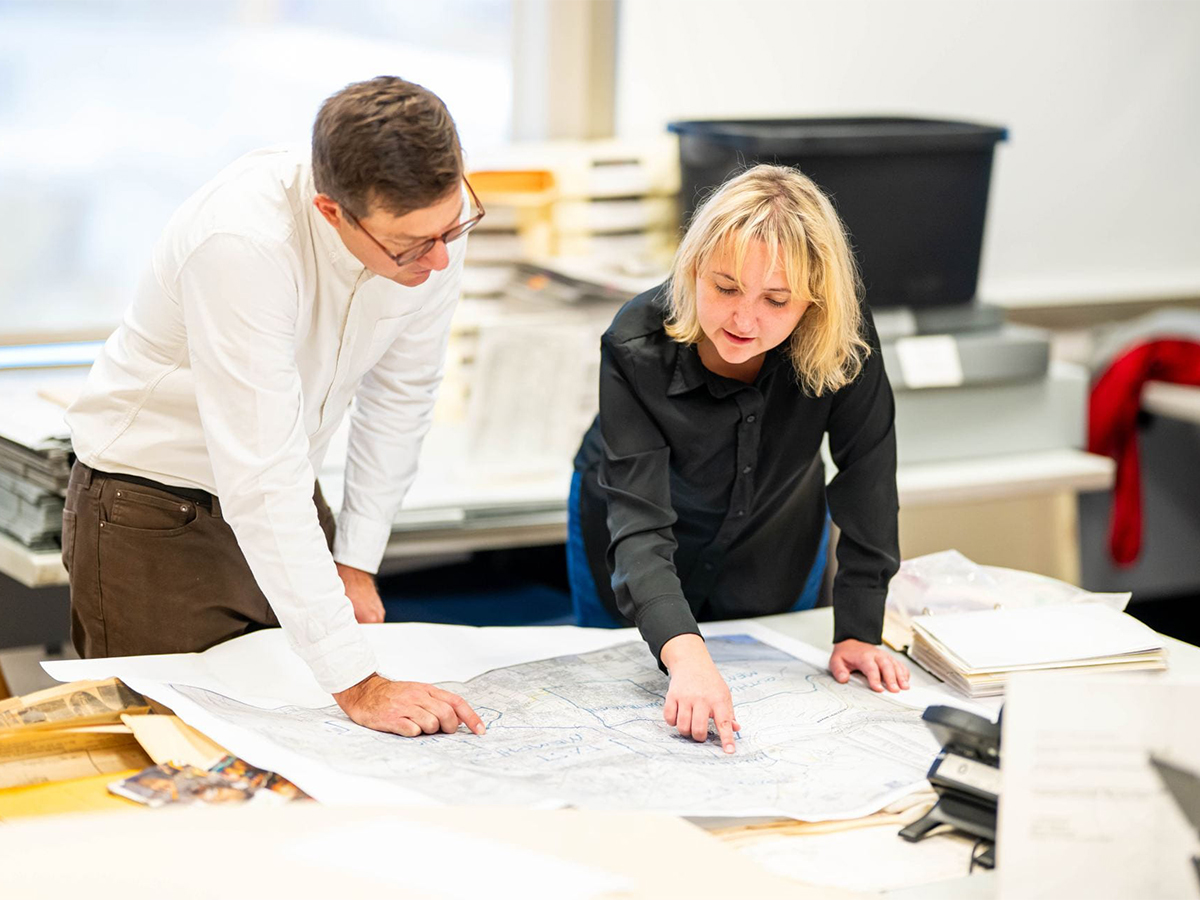
And with support from the American Council of Learned Societies and the University's Division of Research and Innovation, my team is now leading Burial Plots: Historic Cemeteries and Community Storytelling, which maps and preserves the city's burial grounds — both the well-known and the overlooked.
In every case, the goal is the same: to keep local memory alive and accessible, turning personal keepsakes into public history.
Teaching the Humanities as a Shared Act
Working with students on these projects has been one of the most rewarding parts of my job. You can see their curiosity ignite when they hold an old letter from a Memphis activist or digitize a century-old photograph.
They realize that history is lived and it's theirs to help preserve.
I often tell them that archiving is storytelling in another form. Every photograph scanned, every oral history recorded, every map plotted adds a new voice to the chorus of Memphis's cultural history. These projects show students that the humanities go beyond the classroom. They also demonstrate to community members that public institutions like the library and the University of Memphis are here for them.
That's what keeps me inspired: knowing that the stories we uncover today will help future generations understand where they came from and imagine where they're going.