College of Arts and Sciences
Bridging complex chemistry through code, collaboration, and community
Tuesday, 01 September 2026
How do computational chemists map the intricate workings of enzymes and planetary atmospheres? For Dr. Nathan DeYonker, associate professor in the Department of Chemistry at the University of Memphis, the answer lies in developing cutting-edge simulation tools and building strong collaborative bridges across institutions. To do this, Dr. DeYonker spent his Spring 2026 Professional Development Assignment leave expanding his research toolkit, diving into multiscale modeling techniques and fostering new scientific partnerships across the country.
This Spring, Dr. DeYonker visited research labs across the South, including the University of Texas at Dallas, Georgia Tech, Vanderbilt, and Southern Methodist University. Working alongside computational chemistry colleagues, he gained hands-on experience with specialized software to connect quantum mechanical cluster modeling workflows with multiscale simulations.
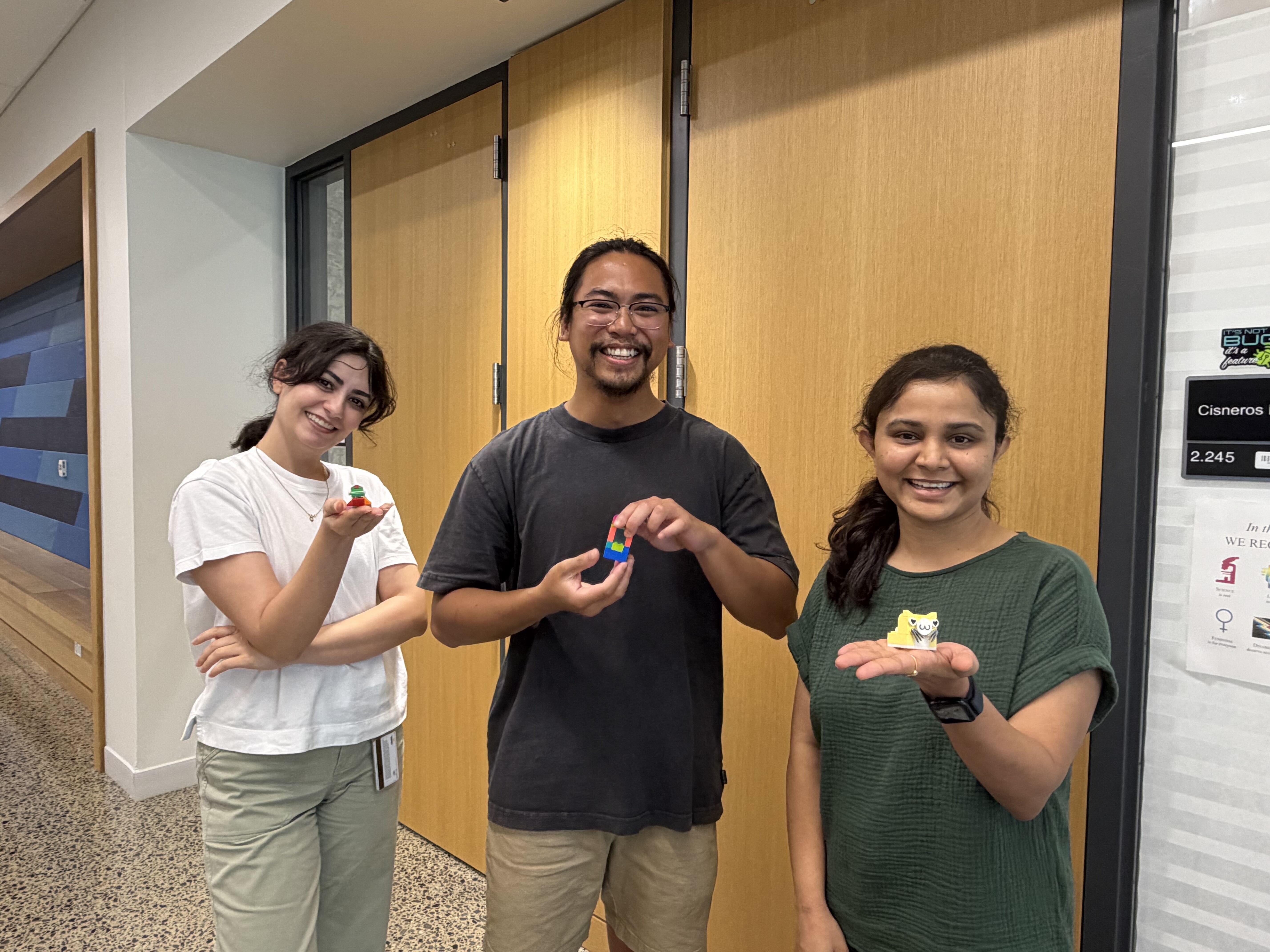
The research visits also brought plenty of personal warmth—including a memorable moment when his host lab's postdocs and students posed proudly with custom LEGO gifts sent by his daughter.
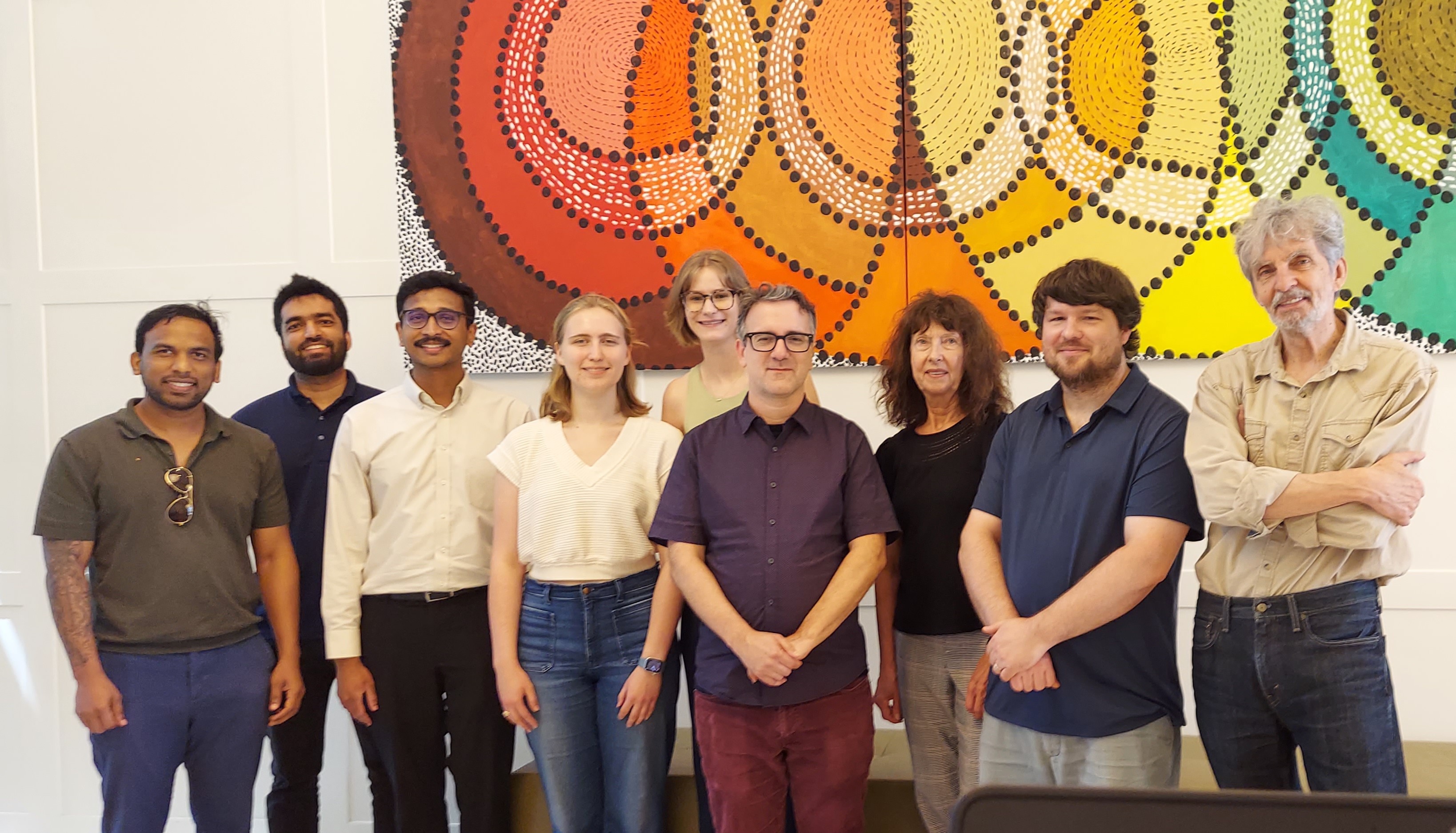
Back home in Memphis, Dr. DeYonker stayed active, advancing significant scholarly projects. His research group published a major paper introducing RINRUS, an innovative computational toolkit designed to build reproducible and reliable models of enzyme active sites, in WIREs Computational Molecular Science. He also prepared collaborative manuscripts investigating molecular complexity in Venusian clouds and submitted extensive grant proposals to NASA and the National Institutes of Health.
Beyond research and mentoring his students, Dr. DeYonker dedicated substantial time to regional scientific leadership as Program Chair for the 2026 Southeastern Regional Meeting of the American Chemical Society (SERMACS). Set to bring over 1,400 technical presentations to Memphis this November, the conference will bring together regional scientists and highlight the University of Memphis as a vibrant hub for chemical discovery.