
Sohail Tufail represents Herff at annual summer water prediction institute to strengthen study of Memphis flooding
July 2, 2026
Just because classes are out for summer break at the Herff College of Engineering doesn’t mean the research stops.
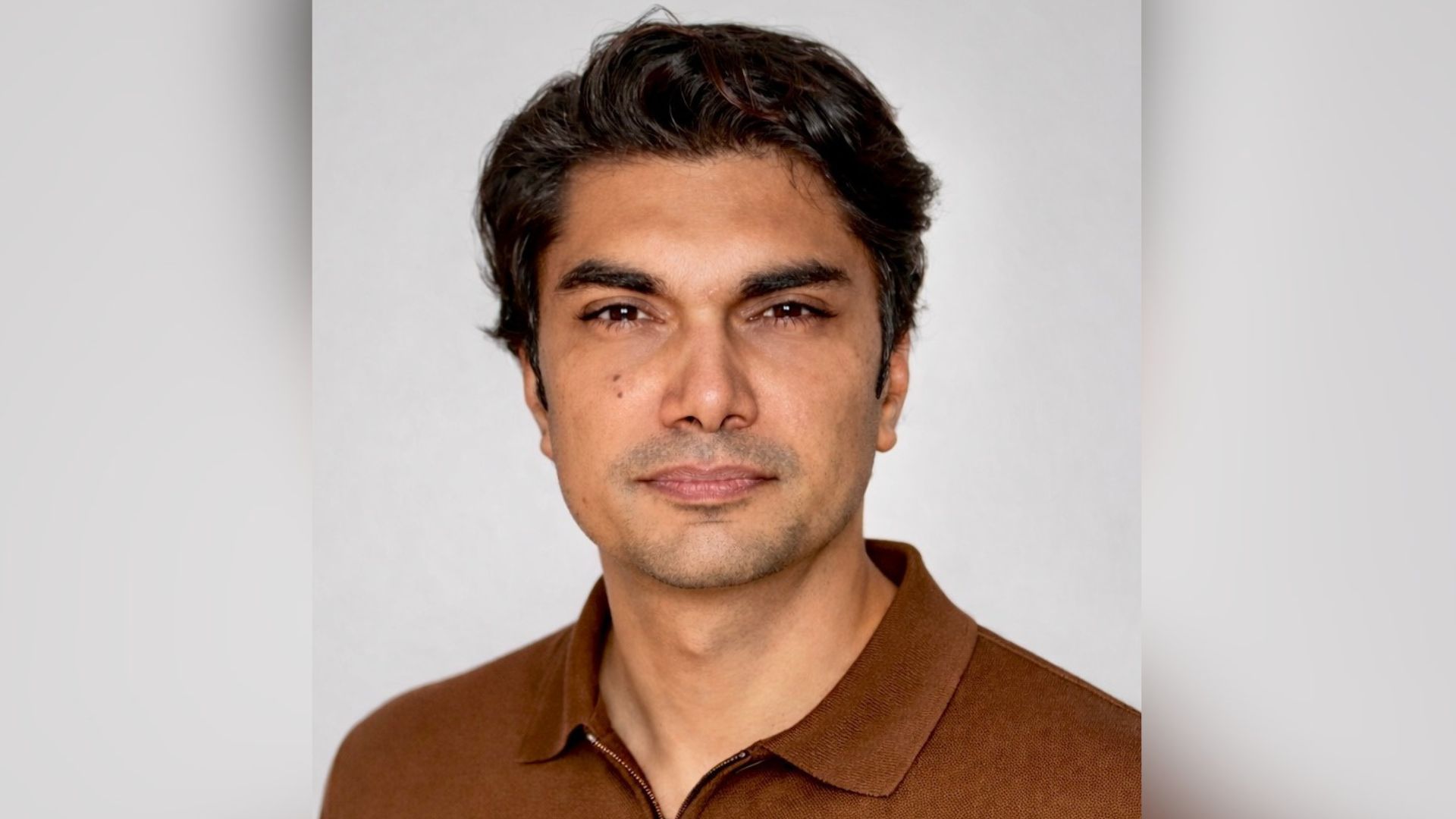
Sohail Tufail, a research graduate student working with Herff’s Department of Civil Engineering chair Dr. Rouzbeh Nazari, spent his summer participating in the 2026 Water Prediction Innovators Summer Institute at the University of Alabama, a seven-week program that brings together PhD students from across the country to enhance their flood modeling research skills.
“This is a very interesting program… I just wanted to strengthen my skills in applied water prediction, flood modeling, collaborative research and communicating technical results to decision-makers," Tufail said.
Only 23 students were accepted into the summer program, which is hosted by the Consortium of Universities for the Advancement of Hydrologic Science, Inc. and the Alabama Water Institute. To the best of his knowledge, Tufail is the first student from the Herff College of Engineering to attend the summer institute in its 10-year history.
“To my knowledge, I am the first participant from the Herff College of Engineering to attend this summer institute, which makes this opportunity especially meaningful for me. I hope this opens the doors for more students from our college to participate in the future,” Tufail said.
When organizers displayed a map showing where former participants came from, no mark covered Memphis.
But now the skills Tufail acquires may not only benefit him as he completes his doctorate; they could improve the entire Greater Memphis Area. Tufail’s research focuses on urban flooding in the region, using 2D flood modeling tools.
“Water prediction is important because better forecasting and flood modeling can help communities prepare for floods, reduce damage and make better decisions during extreme weather events… I am interested in understanding how flood waters move through urban areas and how flood information can support infrastructure planning and risk reduction,” Tufail said.
He's been conducting that research under Nazari for the past year after earning his master’s degree in Germany, where he developed a flood-forecasting model and honed his interests in flood management, flood risk assessment, flood prediction, and urban flood modeling.
“Dr. Nazari has a nice profile, especially in flood risk studies. We had a small talk when he joined and I was just interested in working with him at that time. He’s helped me a lot. He helped me a lot with my first research paper. That was very phenomenal for me, the way he, for example, helped me shape the study into our research paper, and we already have this publication out,” Tufail said.
Tufail’s first few weeks at the summer institute consisted of workshops and becoming familiar with the tools used for sharing data, such as reproducible science and workflows. He also learned, among other things, about water prediction and the flood inundation maps created by the National Oceanic and Atmospheric Administration.
“They are basically progressing towards using a next-gen frame. Learning about the next-gen framework is very interesting because it has not yet been fully implemented, but they are hoping to maybe implement it in 2026 for the whole United States, and the water prediction is going to be much better than what it is right now,” Tufail said.
That next-gen framework uses multiple models to connect watershed data, weather forecasting, hydrologic process models and river routing models into one reproducible workflow.
Participants in the program are split into teams. Tufail joined a team focused on risk communication and visualization improvements. He said he hopes to learn not only to understand the latest tools and research, but also to effectively communicate that information to the public.
“We’re trying to translate the technical language into simpler language for the general public so that they can understand their flood risk from those flood inundation map platforms,” Tufail said.
While he’s making the most of his time away from campus this summer, Tufail is eager to return home and use his newfound knowledge to contribute to the Memphis community.
“I can bring the ideas back to school,” Tufail said. “I can share it with my colleagues. I can work on those ideas. I can, of course, enhance my research skills. So, this is what I’m truly grateful for.”