
Beyond the Research: University of Memphis Doctoral Student Finds Community, Leadership and Opportunity Through Geological Society of America
November 3, 2026
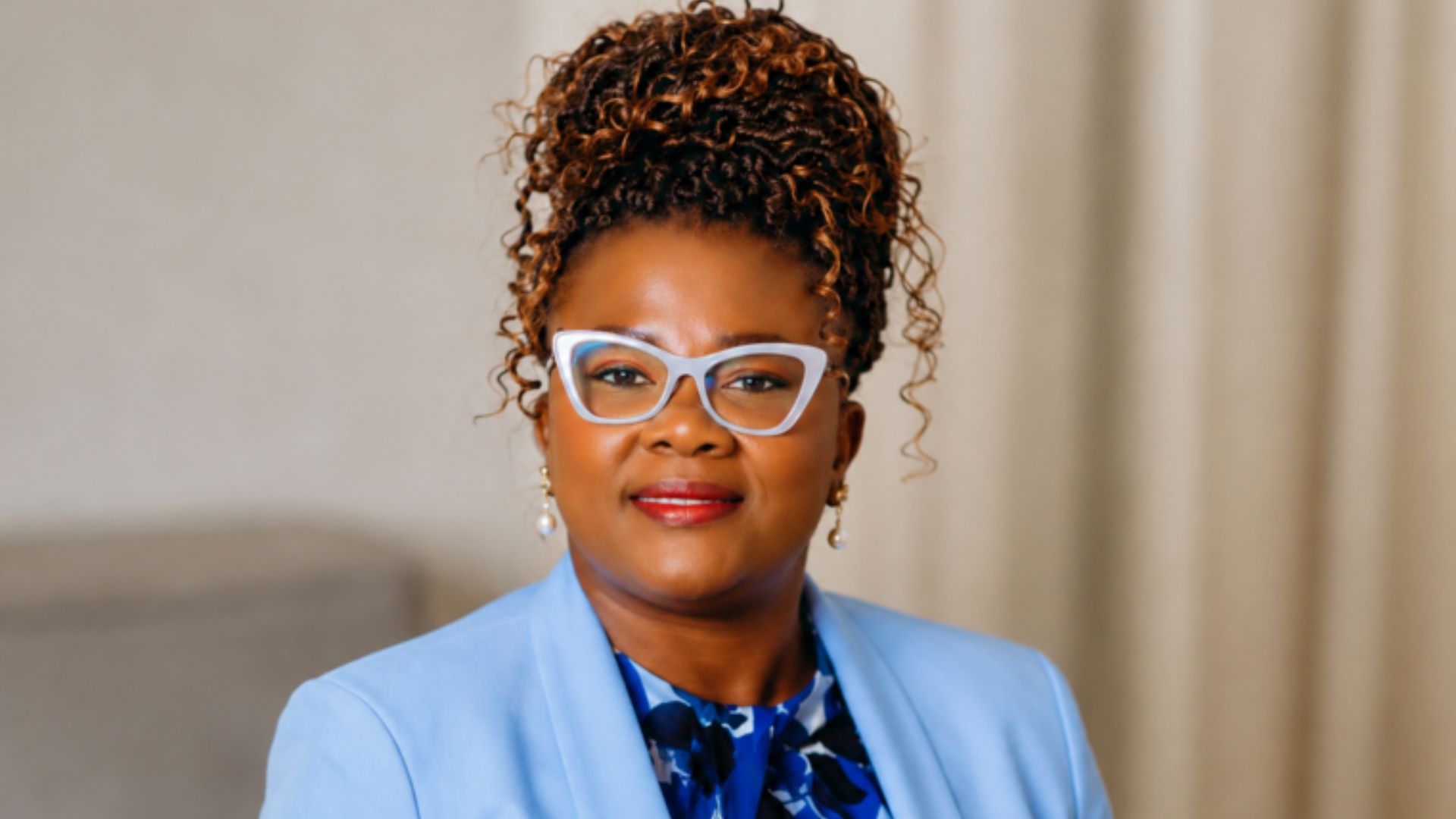
From her first scientific presentations to national leadership opportunities, Chinyere
Eunice Eme's journey reflects the impact of mentorship, professional engagement and
graduate education.
When Chinyere Eunice Eme attended the Geological Society of America's (GSA) Connects
2026 meeting in Denver, Colorado, she arrived with more than research findings to
share. She came as a doctoral candidate, an emerging leader in the geoscience community,
a technical session co-chair, and a student whose academic journey had evolved into
opportunities she once experienced only as a conference participant. For Eme, a doctoral
candidate in Civil, Construction and Environmental Engineering with a concentration
in Water Resources at the University of Memphis, the important milestone was signified
by embracing a journey shaped by mentorship, research, service and professional growth.
In 2022, Eme participated in GSA through presentations that reflected both her scientific interests and her passion for community engagement. Alongside her research on the Chattanooga Formation, she presented a science communication and outreach project titled "Fort Riley Geology Trail: An Outreach Program to Bring Awareness of Geosciences to Military Families." The initiative sought to introduce military families to geoscience through accessible, engaging educational experiences. These early experiences helped shape her understanding of what it means to be a geoscientist. Beyond conducting research, she began to recognize the importance of making science accessible, building professional communities and creating opportunities for others to engage in the field.
That perspective continued to develop when she joined the University of Memphis in fall 2023 to pursue her doctorate. With a background in geology and an interest in water resources, Eme found an opportunity to connect her scientific training with research addressing groundwater challenges in the Memphis region.
As a graduate research assistant at the University's Center for Applied Earth Science and Engineering Research (CAESER), Eme investigates geological formations that influence groundwater movement and protection within the Memphis aquifer. Her doctoral research focuses on the Zilpha Clay interval, a geological unit whose distribution and characteristics may help scientists better understand the natural barriers that influence groundwater movement. Although her work involves laboratory investigations, geological interpretation, biostratigraphic and geochemical analysis, its broader purpose is closely connected to understanding and protecting groundwater resources that communities depend on.
Working under the mentorship of Dr. Brian Waldron and Dr. Daniel Larsen, Eme has gained opportunities to strengthen her research capabilities while developing skills in scientific communication, interdisciplinary collaboration, critical thinking and problem-solving. Her experiences at the University of Memphis have also encouraged her to take on responsibilities beyond the laboratory, helping her develop the confidence to engage with researchers, contribute to scientific discussions, and pursue leadership opportunities.
These experiences came together at GSA Connects 2026, where Eme presented findings from her doctoral research on the geochemical characteristics of the Zilpha Clay interval and their significance for understanding the geological framework of the Memphis aquifer. Presenting her work to a national audience allowed her to exchange ideas with scientists from different disciplines, receive valuable feedback, and build connections that could support future collaborations. Her participation extended beyond her research presentation. Eme co-chaired a technical session titled "Advanced Ground Surface Modeling for Hydrological and Environmental Applications," alongside Esther Oyedele and Dr. Oluseyi Dasho.
The session brought together scientists exploring developments in hydrological and environmental modeling, including the integration of remote sensing, geographic information systems and geophysical techniques. For Eme, the experience represented a meaningful progression from attending scientific sessions as a student to helping facilitate conversations among researchers and professionals. It also demonstrated how the skills she had developed through her graduate education could translate into responsibilities within the wider scientific community.
Her research presentation earned the 2026 Outstanding Student Poster Award, presented by the SEPM Society for Sedimentary Geology and the Geological Society of America's Sedimentary Geology Division during GSA Connects 2026 in Denver, Colorado. This recognition marked a significant milestone in her academic journey and highlighted the broader relevance of her research. By investigating geological barriers that influence groundwater movement and protection, Eme's work addresses issues of national importance, including groundwater security, aquifer vulnerability and the sustainable management of drinking water resources across the United States.
Another highlight of the meeting was her selection for GSA's On to the Future (OTF)
program, an initiative that connects students and early-career geoscientists with
mentoring, networking and professional development opportunities. Through the program,
Eme engaged with participants from diverse academic backgrounds, learned about different
career pathways and gained perspectives on navigating graduate education and the transition
into professional careers.
That understanding has also influenced her growing involvement in leadership within
GSA. As a Member-at-Large of the organization's Student Advisory Council (SAC), Eme
contributes to efforts aimed at strengthening student representation, engagement and
access to professional opportunities. Her responsibilities have since expanded to
include leading liaison efforts between the Student Advisory Council and GSA's geographic
sections and scientific divisions. In this role, she works with fellow council members
to coordinate outreach, strengthen communication with division and section representatives,
and increase student awareness of opportunities for participation, leadership and
professional development. The position has given Eme a broader perspective on the
importance of student representation within professional organizations. It has also
allowed her to strengthen her organizational, communication and team leadership skills
while contributing to initiatives that connect students with the wider geoscience
community.
Eme's achievements at GSA Connects 2026 were also recognized through her selection as a recipient of the Association for Women Geoscientists' Virginia Sand Research Presentation Travel Award. The award supported her participation in the conference and provided another opportunity to connect with women whose work and leadership continue to shape the geosciences. Attending the association's networking breakfast and awards ceremony allowed her to engage with professionals at different stages of their careers and reflect on the importance of mentorship, representation and supportive professional communities.
These values are also evident in her involvement at the University of Memphis, where
she has pursued opportunities to contribute to student leadership, STEM mentoring
and professional organizations. In addition to her research responsibilities, Eme
serves as Deputy Speaker of the Graduate Students General Assembly, participates in
student representation and supports activities that encourage professional development
and engagement among students. Her commitment to mentoring and outreach builds on
experiences that began before her doctoral studies, including her involvement in geoscience
education programs and initiatives designed to introduce younger students and underserved
communities to science.
Across these roles, a common theme has emerged: the importance of using professional
opportunities not only for individual advancement but also to support the growth of
others.
For Eme, the University of Memphis has provided an environment where her interests in geology, engineering, water resources, research and leadership can develop together. Through faculty mentorship, interdisciplinary research opportunities and engagement with professional organizations, she has been able to connect the knowledge gained in graduate school with experiences that prepare her for a career beyond the university.
Beyond her research responsibilities, Eme has embraced opportunities for academic excellence, leadership and professional service at the University of Memphis. She is a member and serves as Secretary of the University's chapter of Tau Beta Pi, the national engineering honor society, and is also a member of Sigma Xi, The Scientific Research Honor Society. Her involvement in these distinguished organizations reflects her commitment to scholarship, research and service while providing additional opportunities to connect with a community of scholars and professionals. Together, these experiences, demonstrates how her education at the University of Memphis has prepared her to contribute beyond the classroom and laboratory.
As she continues her doctoral research, Eme hopes to build on these experiences through further scientific collaboration, professional service, mentorship and contributions to groundwater research. Her journey demonstrates how participation in organizations such as GSA can complement graduate education by providing opportunities to develop skills, build confidence and form professional relationships that extend well beyond a single conference.
Her story highlights a broader purpose of graduate education at the University of Memphis: preparing students not only to advance knowledge within their disciplines but also to become confident professionals, engaged leaders and contributors to the communities they serve.