
UofM Distracted Driving Project Advances Traffic Safety Across Tennessee
THSO-funded research and outreach combines crash data dashboards, behavioral studies,
and public awareness campaigns to reduce roadway distractions
Over the past four years, the Tennessee Highway Safety Office (THSO) has invested
nearly $1 million in traffic safety initiatives at the University of Memphis, supporting
research and outreach aimed at making Tennessee roads safer for all. One key effort
focuses on reducing distracted driving behaviors, a persistent and growing threat
to roadway safety.
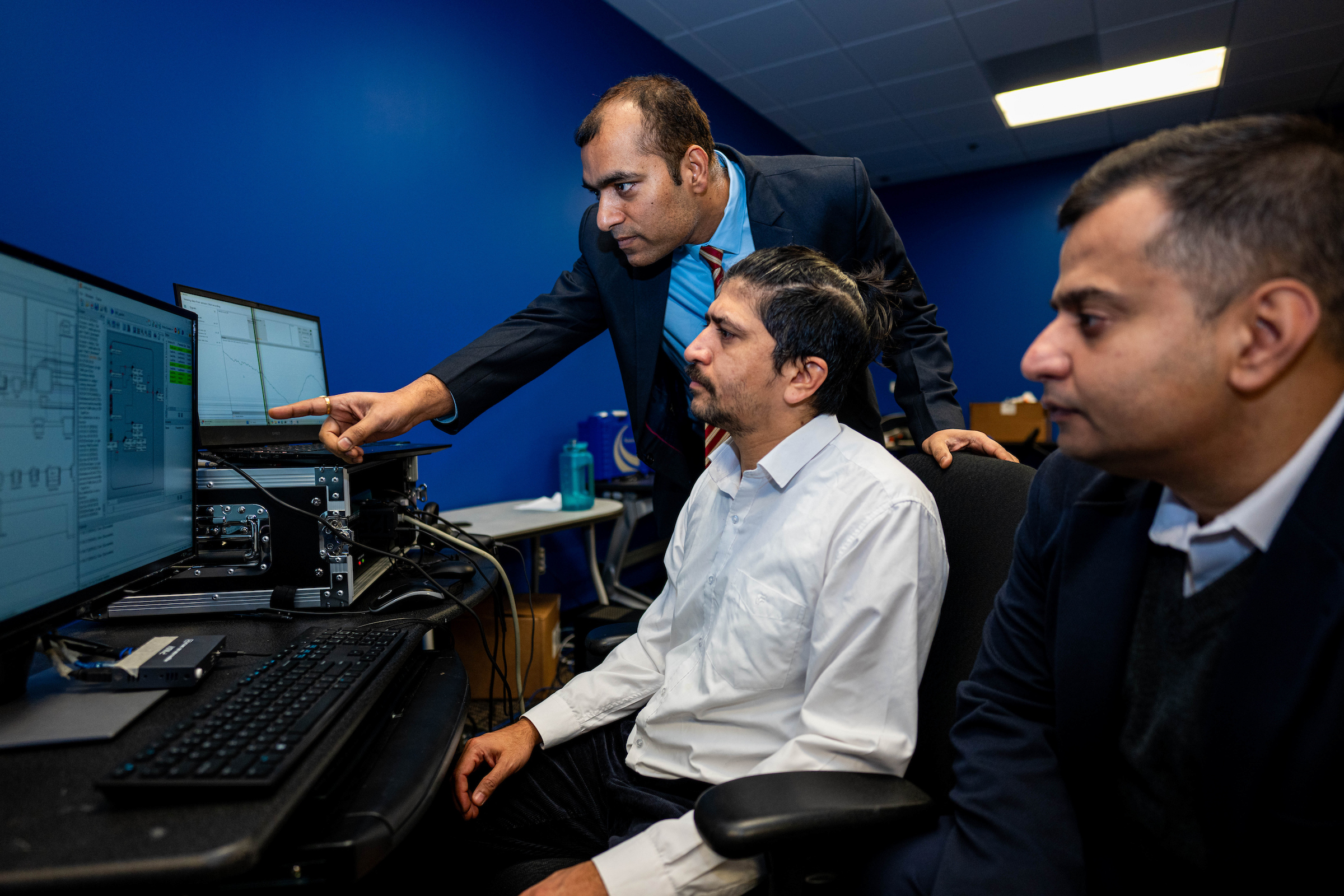
Led by Professor Subhash Jha, with Dr. Sabya Mishra serving as Co-Principal Investigator, the distracted driving project has combined data-driven research with community engagement to better understand why distracted driving occurs—and how it can be prevented.
Want to know more? Learn how this research is shaping safer roads across Tennessee in our latest Research in a Minute feature, highlighting Dr. Jha’s work and its real-world impact.
Crash Data Dashboards Supporting Law Enforcement
A major achievement of the project has been the development of interactive dashboards
that provide maps and crash statistics related to distracted driving incidents. These
dashboards highlight patterns at multiple administrative levels, including county
and city views, and reveal spatio-temporal trends useful for enforcement and safety
planning.
The dashboard system has been presented in meetings across Tennessee, and access has been granted to law enforcement agencies to support targeted interventions and strategic enforcement efforts.
Driver Education Outreach Reaches Hundreds
In spring and summer 2025, University of Memphis faculty and research students conducted
multiple visits to Caswell and Maxwell driving schools in Shelby County. During the
15 one-hour sessions, they delivered distracted driving awareness presentations and
conducted a base-level study on distraction perception.
The outreach reached 24 adults and 469 teen novice drivers, helping educate new drivers about the real-world risks of phone use and other distractions behind the wheel.
Research Highlights Teen and Adult Disconnect
A focus group study hosted at the Center for Transportation Innovations in Education
and Research (C-TIER) included nine students from diverse backgrounds. Participants
consistently identified mobile phone use as the most common and dangerous distraction.
A key theme emerged: many teens perceive a disconnect between adult advice and adult behavior. While adults often tell young drivers not to use phones while driving, teens reported frequently witnessing adults doing exactly that.
Driving Simulator and Cognitive Distraction Findings
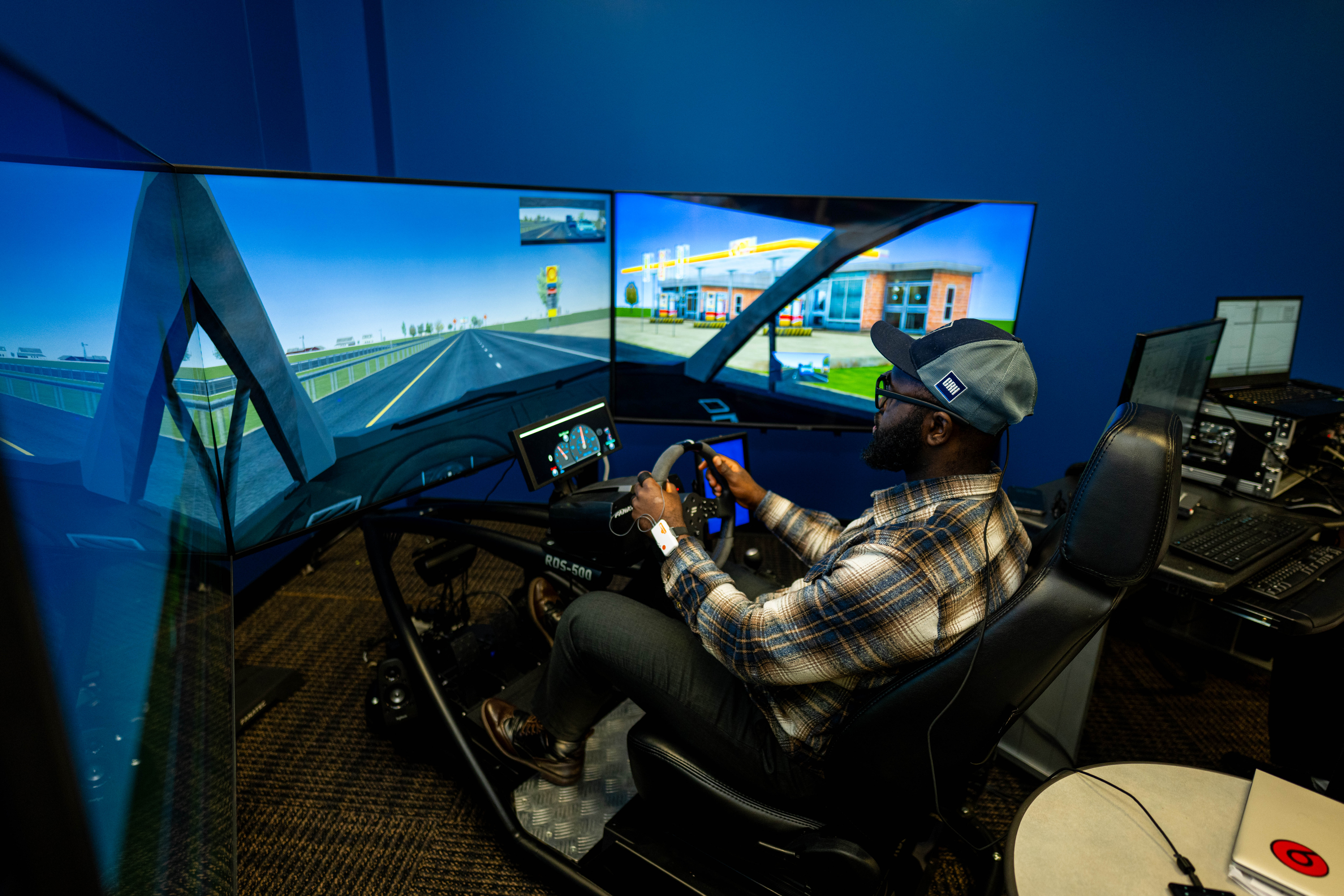
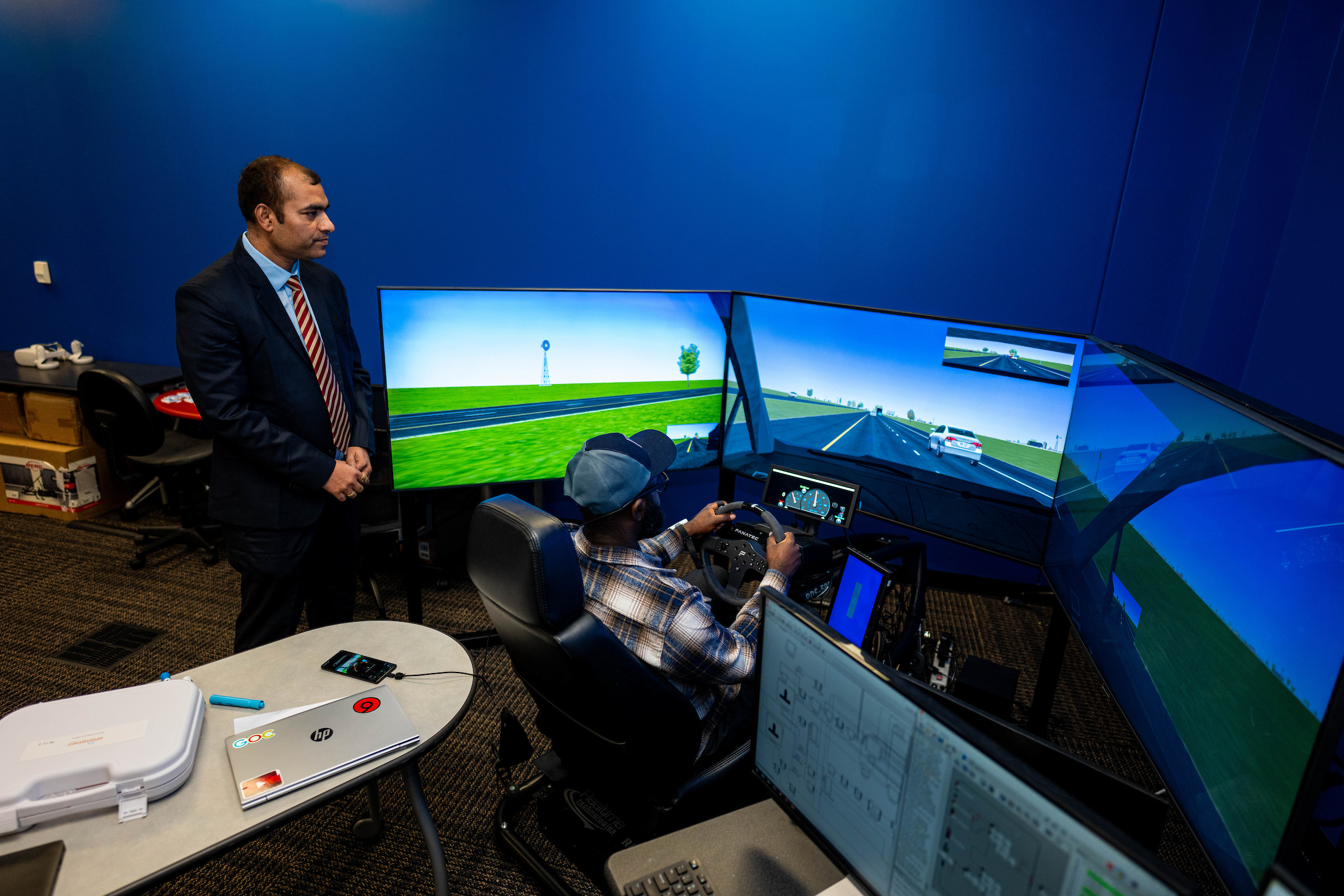
The project also included a simulator study using the RDS-500 driving simulator with
licensed adult drivers who had more than two years of driving experience. Participants
drove a 75-mph expressway scenario under three conditions: baseline driving, smartphone
distraction, and smart glass distraction.
Results from 11 participants showed that smartphone texting produced the greatest driving impairment, while smart glasses reduced visual-manual distraction but introduced significant cognitive distraction, highlighting the complexity of emerging technologies in driver safety.
Eye-Tracking Research Strengthens Messaging
The Consumer NeuroInsights Research Lab (CNRL) contributed additional insights through
eye-tracking and thought-listening research. In a study of 49 undergraduate participants,
researchers tested different distracted driving poster designs.
Findings showed that a temporal message such as “every 30 minutes” drew attention faster, generated more revisits, and produced the highest overall viewing time. Meanwhile, fractional framing like “one-third” led to longer fixation durations on the messaging.
Campaigns and Community Events Drive Public Engagement
Throughout the year, C-TIER launched a series of distracted driving awareness campaigns
through social media, expanding the project’s reach beyond campus. The campaign generated
4,515 impressions, reached 1,676 members, and produced 493 clicks and 91 reactions.
Over the last two years, total impressions have exceeded 11,500, reflecting growing
public engagement.
C-TIER also hosted its annual Protecting All With Safe Driving (PAWS) on-site fair at the University of Memphis. The event featured hands-on safety demonstrations, including a seat belt convincer, driving simulator, DUI-triggered crash car, fatal vision pedal cart, and other interactive exhibits. The fair drew nearly 500 attendees, and 92 participants signed a pledge to commit to safer, distraction-free driving.
A Continuing Commitment to Safer Roads
With THSO support, the University of Memphis continues to strengthen Tennessee’s traffic
safety efforts through innovative research, real-world tools, and education-driven
outreach. The distracted driving project demonstrates how academic research can translate
into practical solutions—helping save lives and promote safer behaviors across the
state.