NSF I-Corps Award Advances University of Memphis Dry Powder Delivery Technology Toward Commercialization
Customer discovery process helps researchers identify real-world applications for an innovative aerosol delivery platform
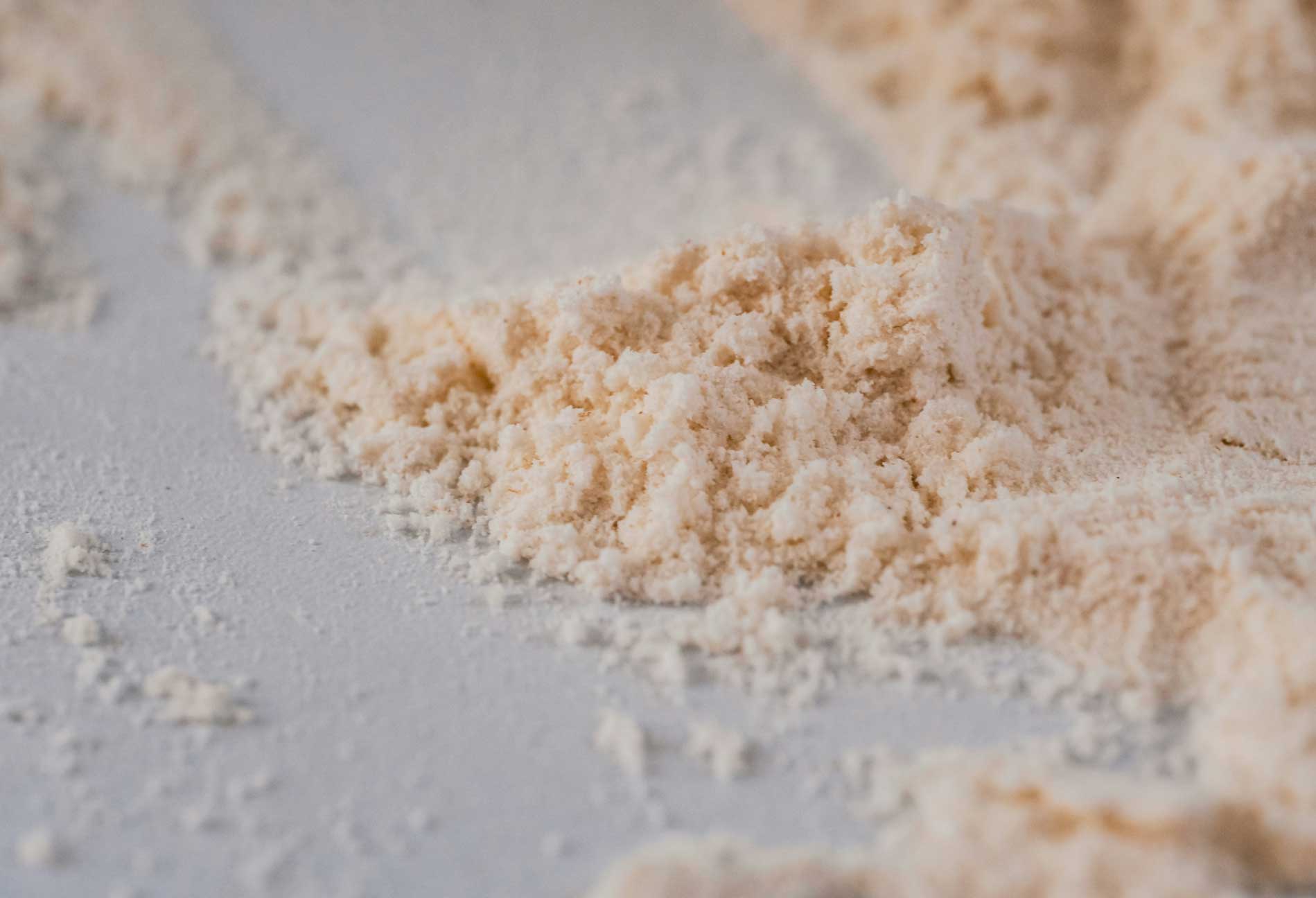
A promising University of Memphis technology designed to improve dry powder delivery is one step closer to commercialization, thanks to a National Science Foundation (NSF) Innovation Corps (I-Corps) award that is helping researchers validate market opportunities before product development. Dry powder aerosol technologies are increasingly used to deliver medications directly to the lungs, offering the potential for faster treatment, improved patient outcomes and more efficient drug delivery while also supporting applications in manufacturing and scientific research.
Led by Dr. Ranganathan Gopalakrishnan, a mechanical engineering researcher specializing in aerosols and powder technologies, the Ultra Plume team is developing a patented method that uses ultrasonic waves to disperse dry powders into an aerosol. The technology has the potential to support a range of applications, including drug delivery, advanced manufacturing, and scientific research.
Rather than beginning with product development, the NSF I-Corps program challenged the team to first understand the market through customer discovery—an intensive process of interviewing potential users, industry leaders and stakeholders to identify unmet needs and determine where the technology could have the greatest impact.

Dr. Ranganathan Gopalakrishnan
"The goal is to let the market inform the technology, not the other way around," said Gopalakrishnan. "Customer discovery helps ensure we're solving real problems rather than building solutions based on assumptions."
Through the regional and national I-Corps programs, the Ultra Plume team conducted interviews with physicians, patients, pharmaceutical companies, medical researchers, drug developers and FDA regulators. Each conversation provided valuable insight into the challenges facing the industry while helping the team objectively evaluate potential commercial applications.
One of the program's most significant lessons came early. The researchers initially believed their technology would be best suited for developing a new inhaler for cystic fibrosis patients. However, extensive customer interviews revealed that this assumption did not align with the greatest market need.
Rather than viewing the outcome as a setback, the team embraced the iterative process of customer discovery, using evidence-based feedback to refine its commercialization strategy and identify more promising opportunities.
The regional I-Corps experience proved instrumental in preparing the team for the national program, where customer discovery efforts expanded significantly. Researchers learned how to conduct unbiased interviews, avoid confirmation bias and build professional networks capable of opening doors to additional conversations.
Success depended on thoughtful preparation and relationship building. By leveraging LinkedIn, attending industry conferences, using scheduling tools such as Calendly and securing referrals from early interviewees, the team was able to efficiently connect with stakeholders across the healthcare and pharmaceutical sectors. Beyond advancing a single innovation, the experience transformed the team's approach to research.
For Gopalakrishnan, engineering has always been about creating solutions that improve lives. The I-Corps process reinforced the importance of grounding research in real-world needs, demonstrating that conversations with customers and industry experts can provide insights that save years of development time.
Today, the Ultra Plume team is analyzing the extensive customer discovery data collected through the NSF I-Corps program to determine the most promising market fit for its dry powder delivery technology. Those findings will guide the next phase of product development and commercialization.
By combining scientific innovation with customer-driven insight, the NSF I-Corps award is helping position the University of Memphis technology for successful translation from the laboratory to the marketplace—where it has the potential to improve lives while creating new economic opportunities.