
From Lab to Marketplace: University of Memphis Researcher Earns NSF I-Corps Award
Dr. Yufeng Zhang's sustainable biotechnology innovation advances toward commercialization with support from the National Science Foundation
Dr. Yufeng Zhang, Associate Professor in the University of Memphis College of Health Sciences, has received a prestigious National Science Foundation (NSF) Innovation Corps (I-Corps) award to accelerate the commercialization of an innovative biotechnology platform that naturally produces high-value red carotenoids using engineered yeast.
The NSF I-Corps program supports researchers with breakthrough technologies that have strong commercial potential, helping bridge the gap between scientific discovery and real-world impact. Through the program, Dr. Zhang and his team will work directly with industry leaders, potential customers, and commercial partners to better understand market needs and refine a pathway to commercialization.
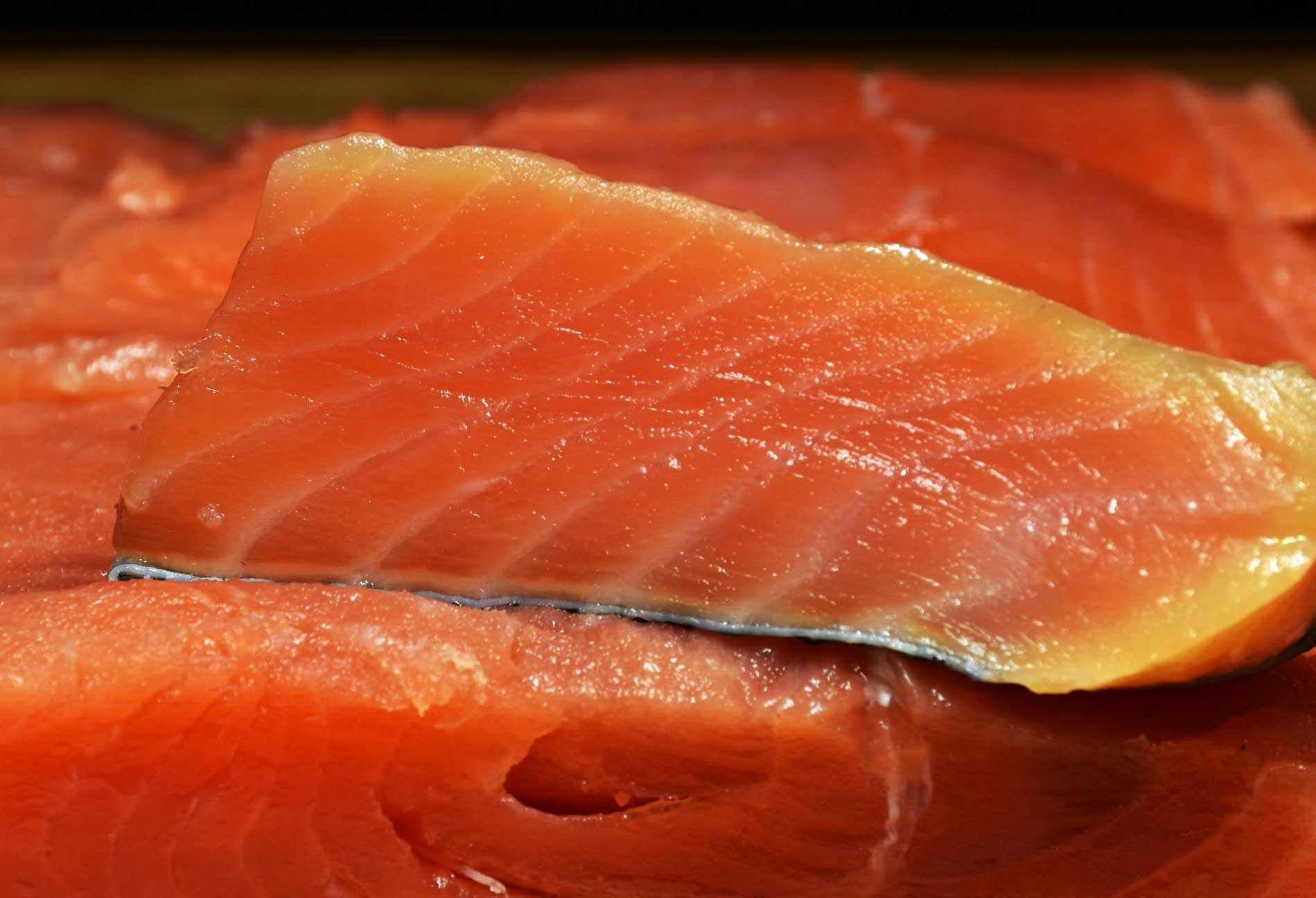
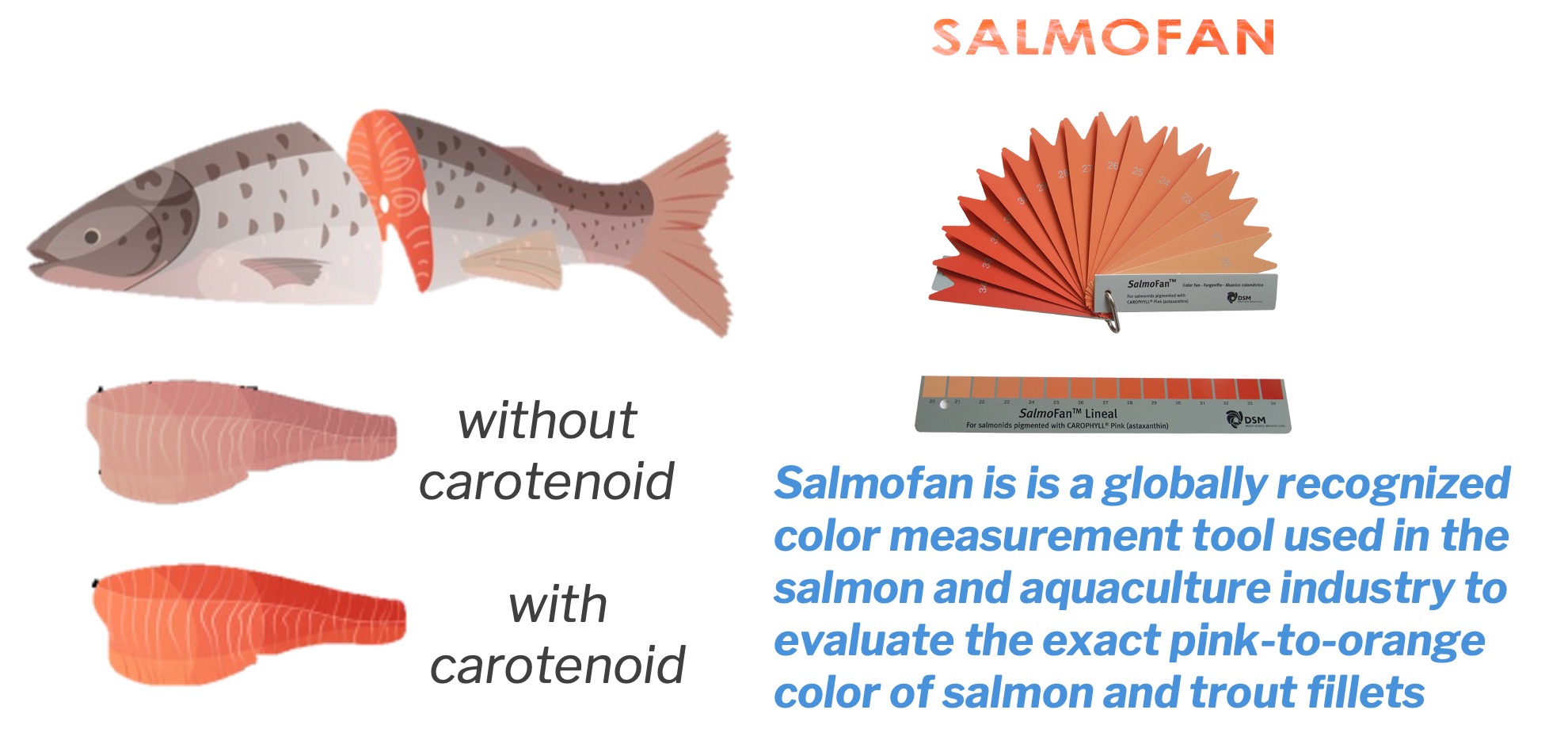
Carotenoids are naturally occurring pigments used in aquaculture, animal nutrition, and health products. They are responsible for the vibrant red color of foods such as salmon and play an important role in animal health and product quality. Today, most commercially available red carotenoids are produced through synthetic chemical processes. Dr. Zhang's research offers a sustainable alternative by using engineered yeast to naturally produce these valuable compounds, creating a scalable and environmentally responsible solution for the aquaculture and animal nutrition industries.
The technology has the potential to reduce production costs, improve product quality, and lessen dependence on chemical manufacturing while supporting more sustainable food production practices.
The NSF award builds on earlier investment from the University of Memphis through the 2025–2026 FedEx Institute of Technology Development Grant, which provided critical early-stage funding to advance the technology toward commercialization. Strategic guidance from Dr. Hai Trieu and the University's Office of Technology Transfer also played an important role in helping the research team evaluate the technology's commercial potential and successfully compete for the highly selective NSF I-Corps award.
The progression from internal university support to national recognition highlights the University of Memphis' commitment to fostering innovation, entrepreneurship, and translational research. By helping researchers move promising discoveries beyond the laboratory, the University continues to develop technologies that create meaningful economic, environmental, and societal impact.
For more information n this award or project, contact Zhang at yzhang24@memphis.edu.