
NIH-Funded Study Explores How Microbiomes Affect Seafood Safety
University of Memphis researchers investigate the hidden world of oyster microbes while providing hands-on research opportunities for undergraduate students.
University of Memphis researchers have launched a new National Institutes of Health (NIH)-funded project to better understand how naturally occurring microorganisms in oysters influence seafood safety, environmental health, and shellfish well-being.
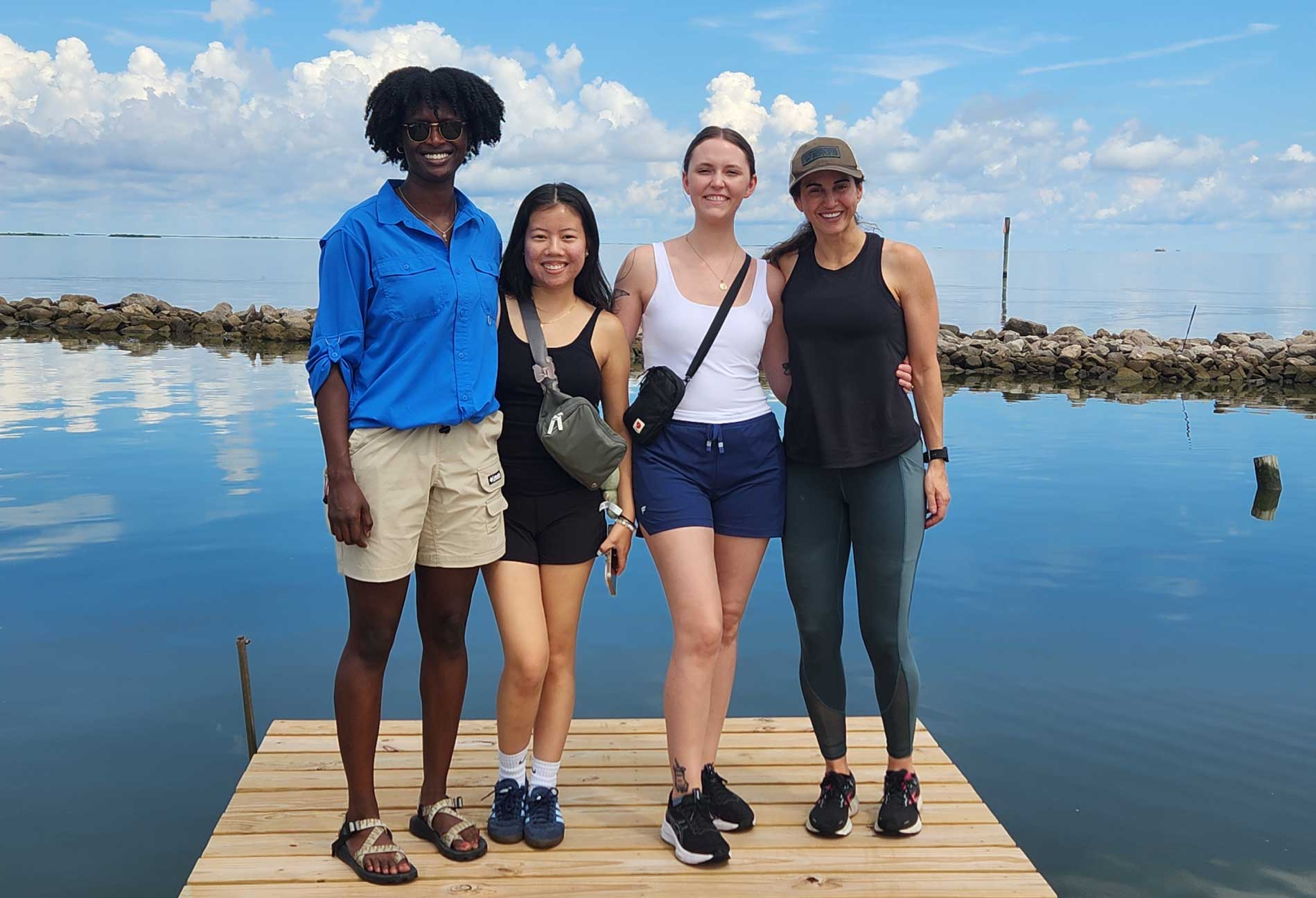
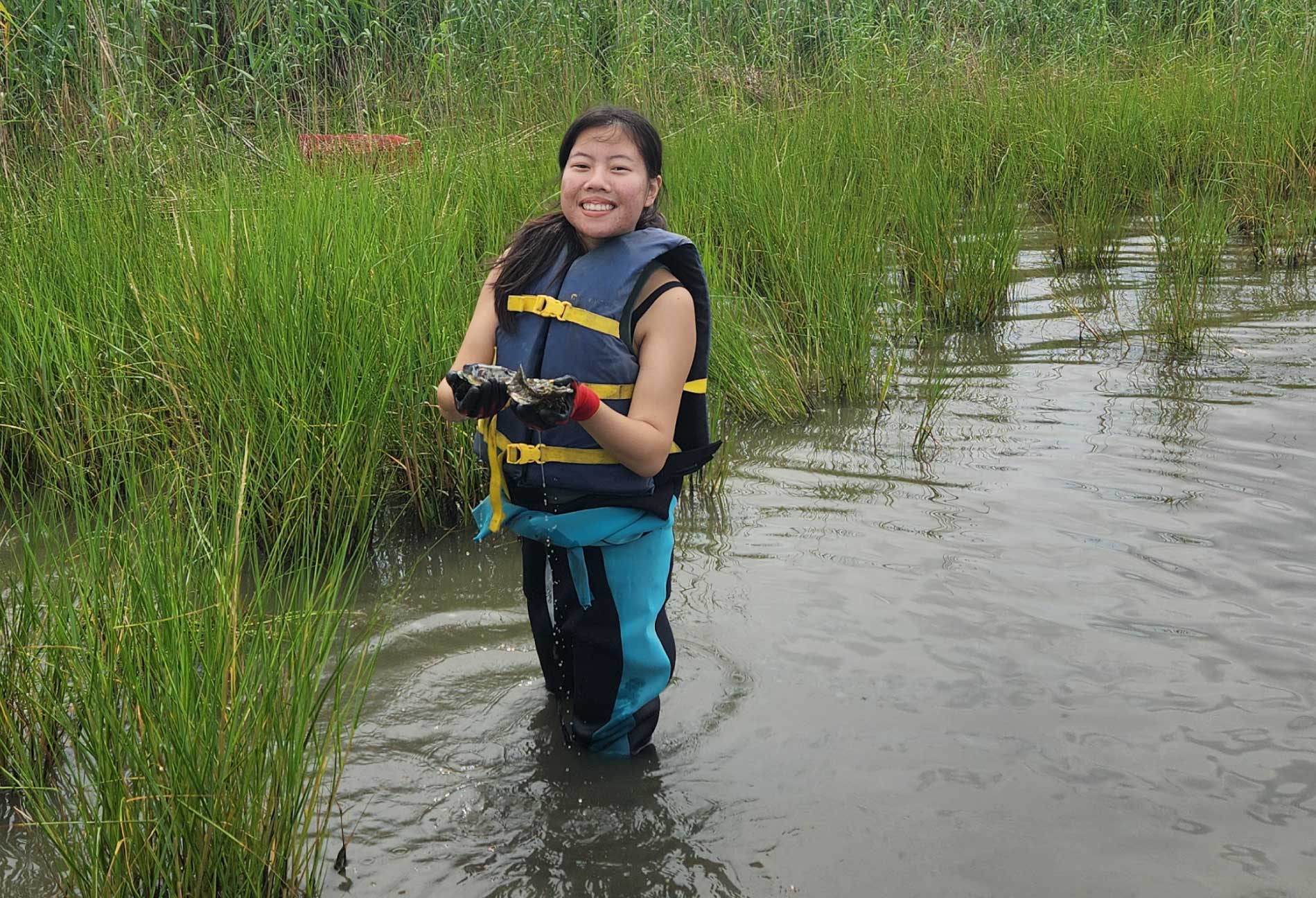
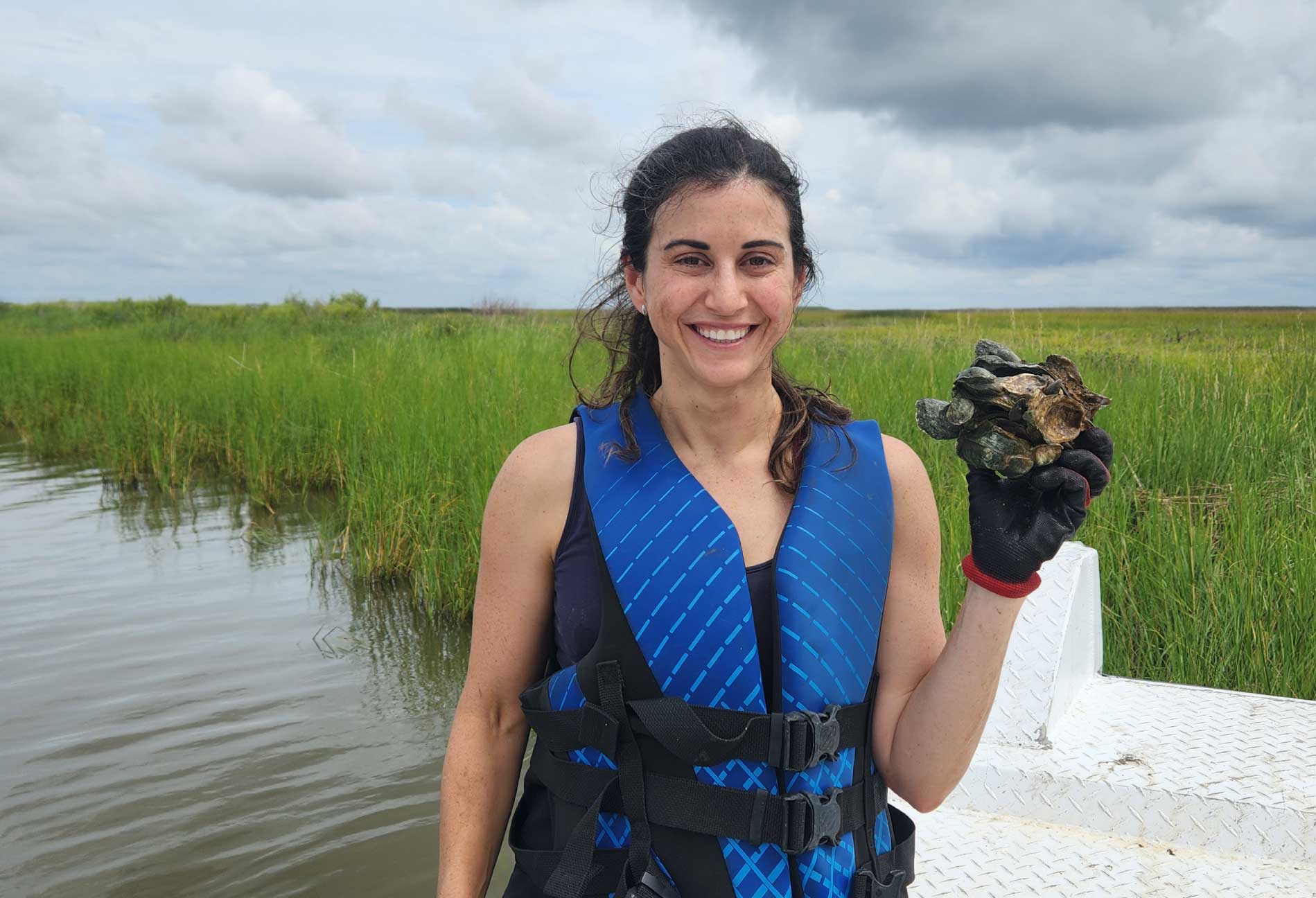
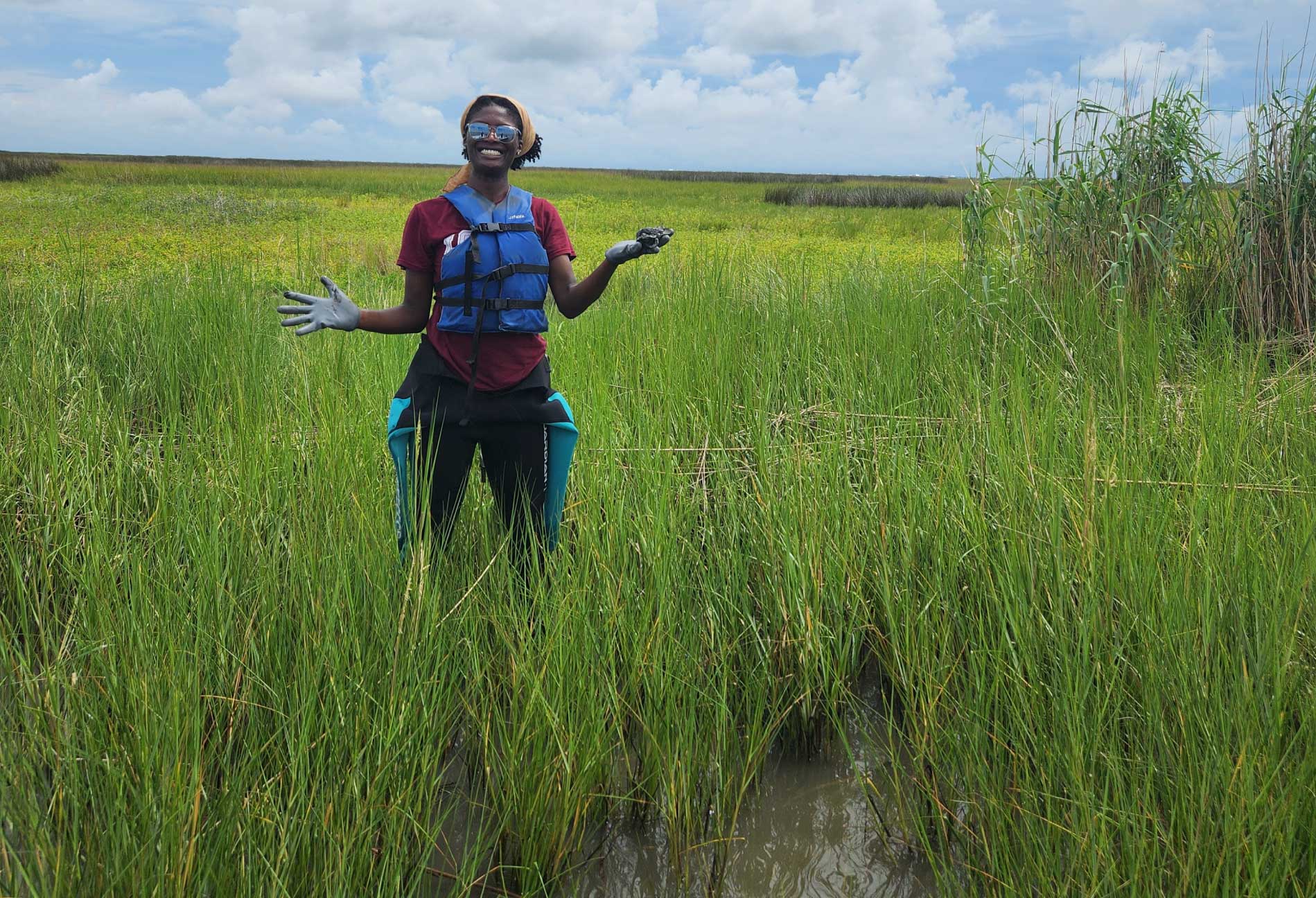
Oysters play an important role in both the nation's food supply and coastal economies. As natural filter feeders, they continuously clean large volumes of water. In doing so, however, they can also accumulate environmental pollutants and harmful bacteria that may pose risks to human health. This research seeks to determine whether the oyster's natural microbial community—known as the oyster microbiome—helps protect against those contaminants.
The research team will study how changes to the oyster microbiome affect the buildup of environmental pollutants and bacteria commonly associated with seafood-related illness. By better understanding these natural biological processes, researchers hope to identify new ways to improve seafood safety and reduce environmental health risks.
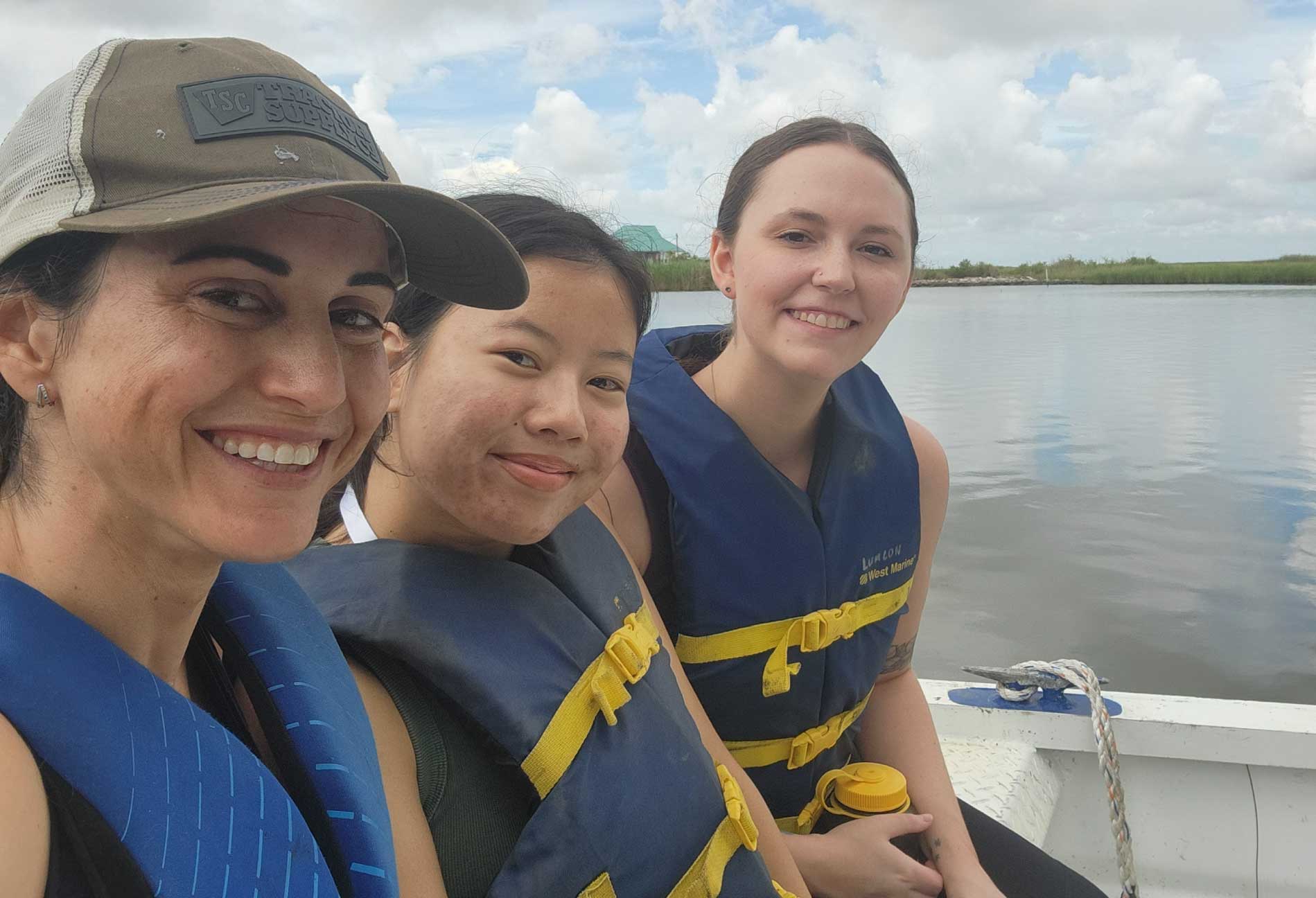
Beyond its scientific impact, the project will provide undergraduate students with valuable, hands-on research experiences. Students will work alongside faculty researchers while learning laboratory techniques, data analysis, and scientific problem-solving skills that prepare them for careers in biomedical research, environmental science, and public health.
The project reflects the University of Memphis' commitment to addressing real-world challenges through innovative research while creating meaningful educational opportunities for students. By combining environmental science, public health, and workforce development, this NIH-supported research has the potential to improve food safety, strengthen environmental stewardship, and contribute to healthier communities.
For more information about this project, contact Rachel Diner at rediner@memphis.edu.