
Advancing Balance Science: Dr. Raghav Jha Awarded Grant to Study Age-Related Changes in Vestibular Function
Innovative research on bone-conduction VEMPs aims to improve diagnosis and prevent falls in older adults
Falls remain one of the most pressing public health concerns facing older adults,
often resulting in serious injury, loss of independence, and diminished quality of
life. While falls are commonly viewed as an inevitable part of aging, research increasingly
points to a more specific underlying cause: age-related decline in the vestibular
system—the delicate sensory organs of the inner ear that function as the body’s internal
GPS for balance and spatial orientation.
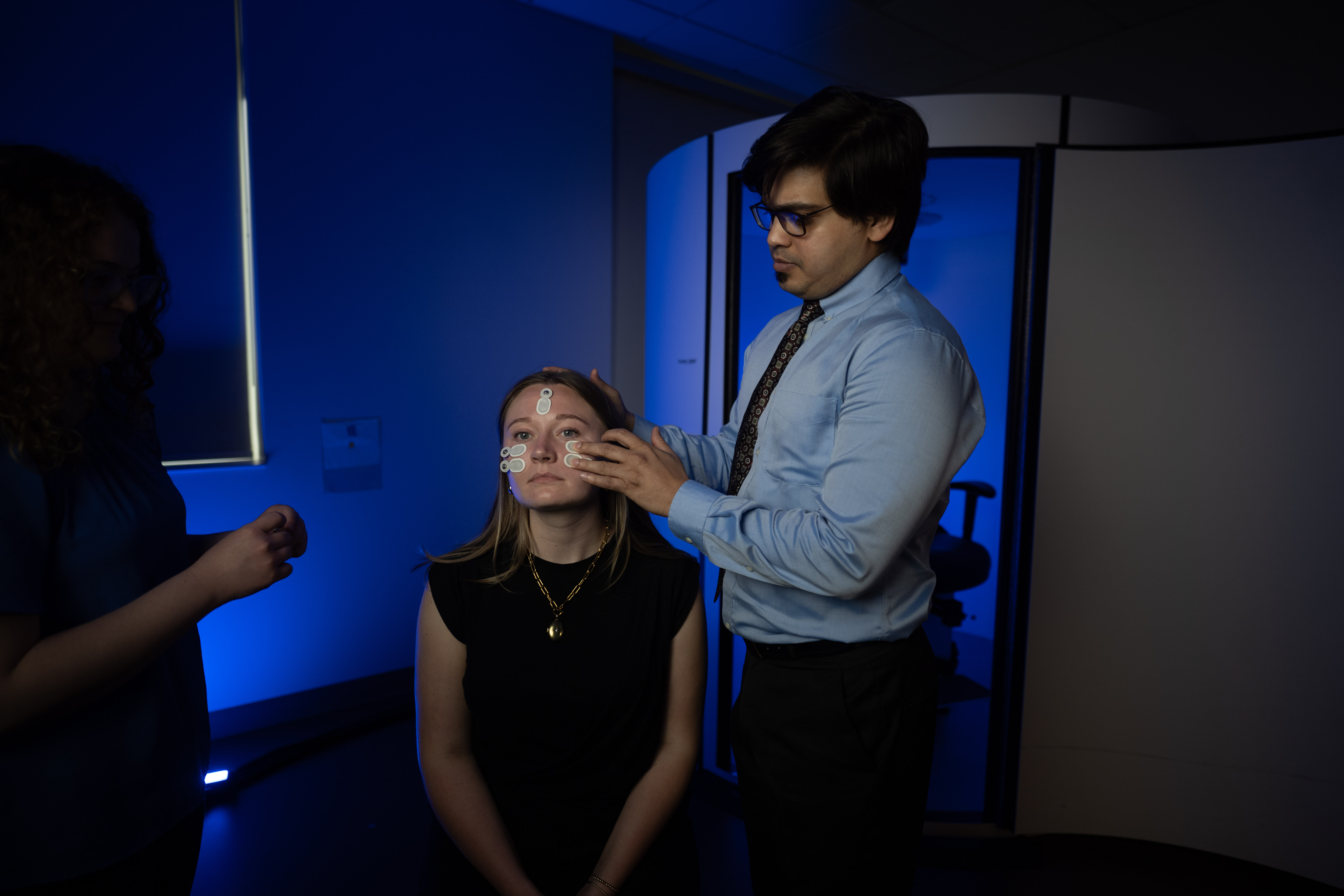
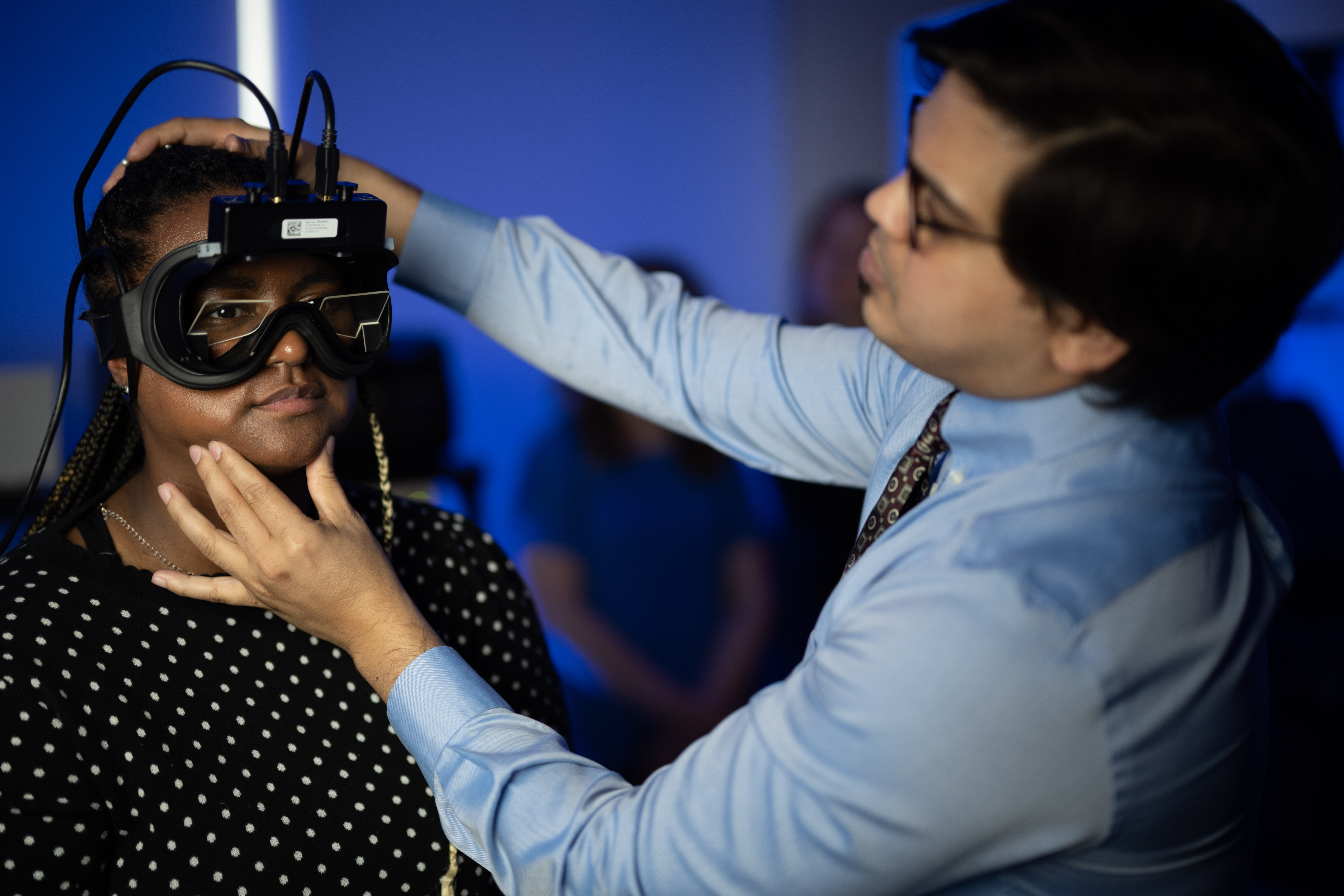
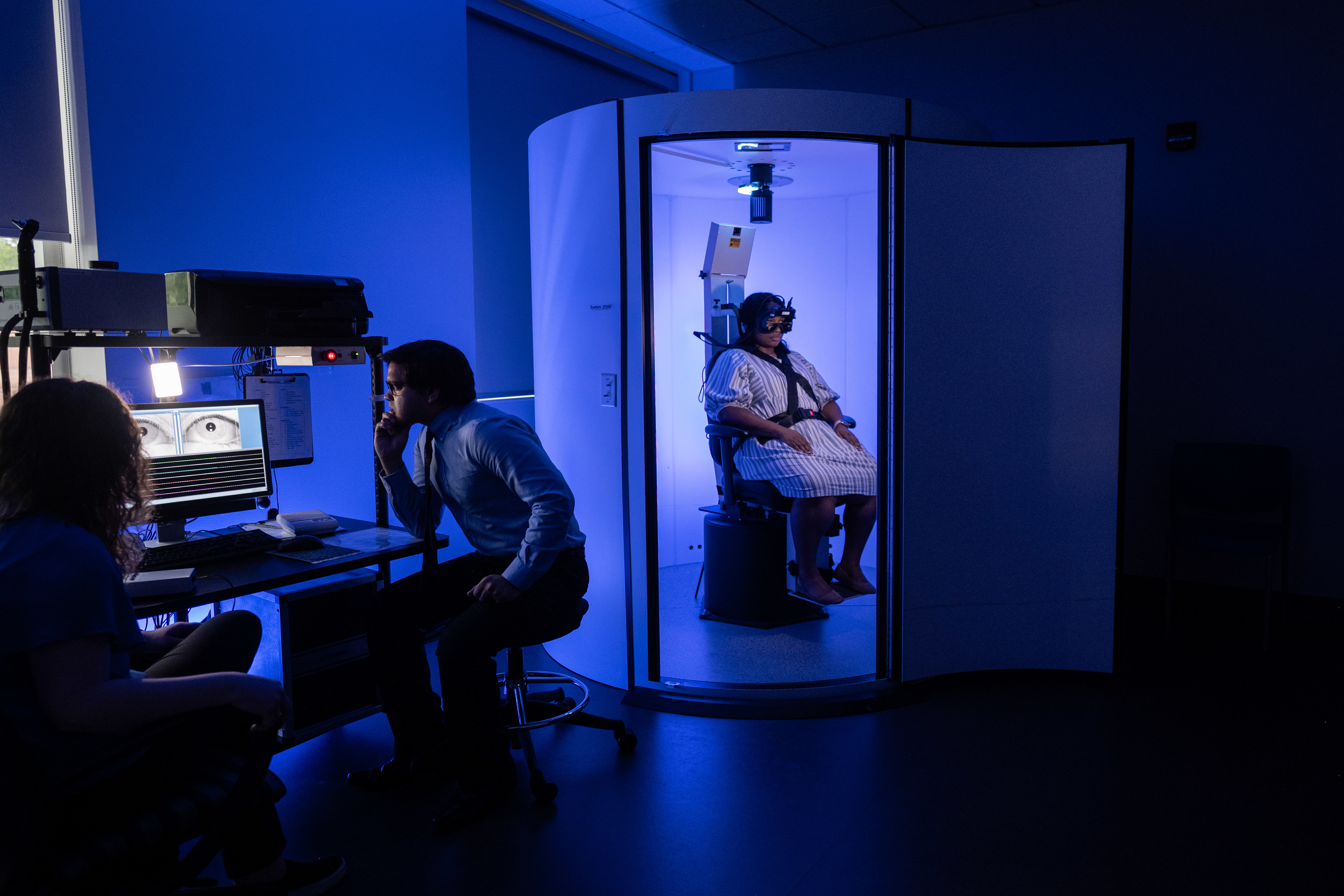
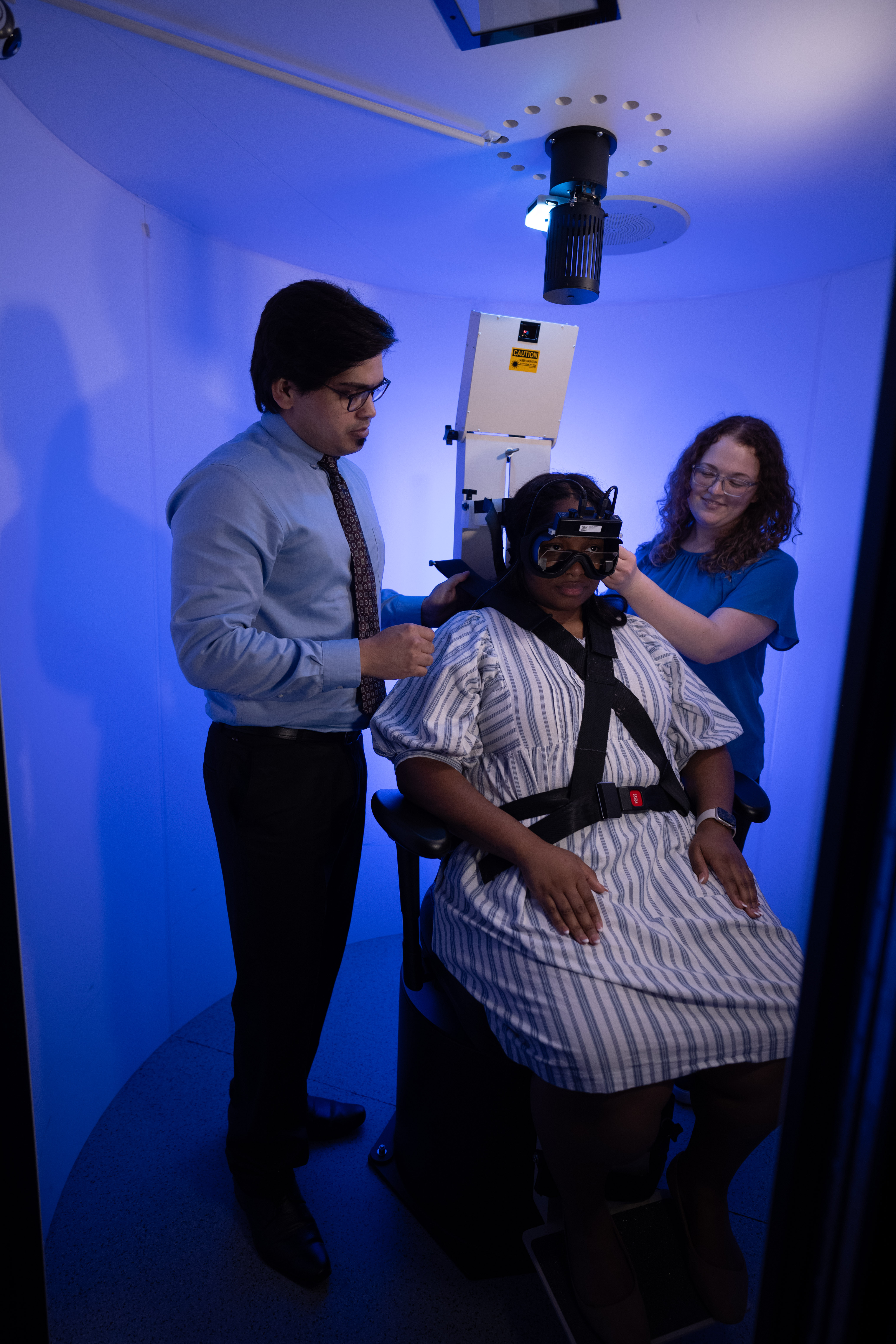
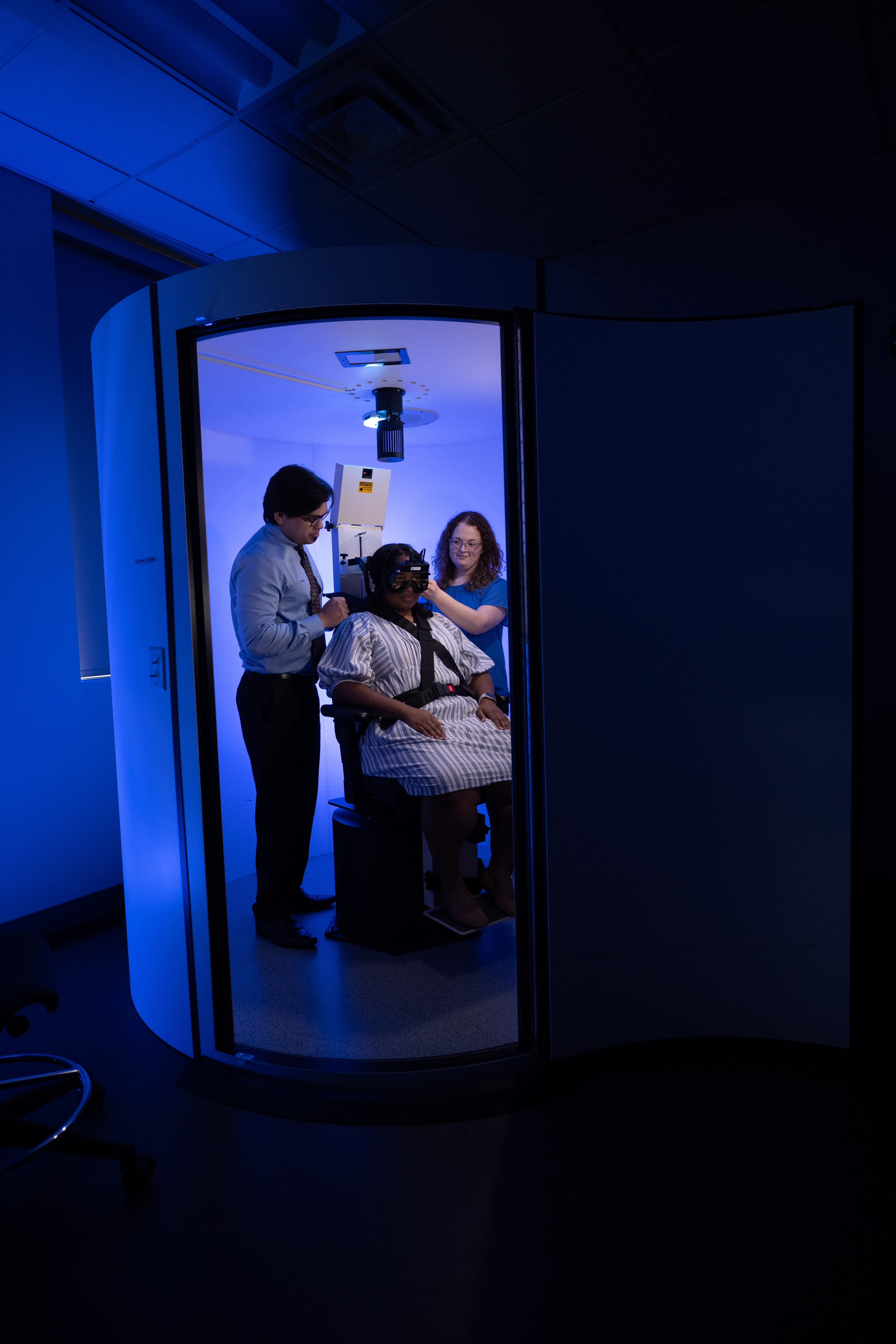
Dr. Raghav Jha, assistant professor in the School of Communication Sciences and Disorders at the University of Memphis, is leading groundbreaking research to address this challenge. His project, “Effects of Age on the Frequency Tuning of Bone-Conduction Vestibular Evoked Myogenic Potentials (VEMPs),” seeks to develop more precise and sensitive methods for assessing vestibular function. The work is supported by the American Speech-Language-Hearing Foundation (ASHF).
Currently, approximately one-third of patients experiencing balance disorders receive an unclear diagnosis. Traditional vestibular assessments often determine only whether the balance organs are functioning at a basic level—essentially whether they are “on” or “off.” Jha’s research introduces a more advanced approach, functioning much like a cardiovascular stress test for the balance system. By using specialized bone-conduction signals to evaluate vestibular evoked myogenic potentials (VEMPs), his team studies the ongoing activities of the vestibular system that the conventional methods may overlook. This enhanced precision has the potential to provide clearer answers for millions affected by unexplained dizziness and imbalance—ideally before a fall occurs.
In addition to studying age-related changes, Jha’s lab is exploring how balance can be preserved and strengthened. By examining trained dancers—individuals who have mastered exceptional balance control—his team has discovered that dancers not only exhibit superior stability but also demonstrate enhanced regulation of involuntary reflexes. This research highlights how the brain and inner ear work together and suggests that targeted movement-based interventions, including dance-inspired therapies, may help older adults retrain their balance systems and maintain mobility.
At its core, this research is about more than diagnostics—it is about dignity and independence. As roles shift across generations, ensuring that parents and grandparents can move confidently and safely through their daily lives becomes both a scientific and societal priority. By refining how balance is assessed and understood, Dr. Jha’s work represents a meaningful step toward reducing fall risk and improving quality of life for aging populations.
For more information about this research, contact Jha at rjha@memphis.edu.