
Building Research Skills and Workforce Readiness Through VIP Program at the University of Memphis
NSF-supported initiative demonstrates impact of multi-year, faculty-led research experiences on student development and success
An NSF Improving Undergraduate STEM Education (IUSE)–supported project, led by Dr. Chrysanthe Preza, professor in Electrical Computer Engineering, has successfully implemented and evaluated the Vertically Integrated Projects (VIP) program within the Herff College of Engineering at the University of Memphis—the first program of its kind in Tennessee. The initiative integrates multi-year, faculty-led research teams into the undergraduate curriculum, enabling students from their first year through senior year to earn academic credit while engaging in sustained, hands-on research alongside graduate mentors.
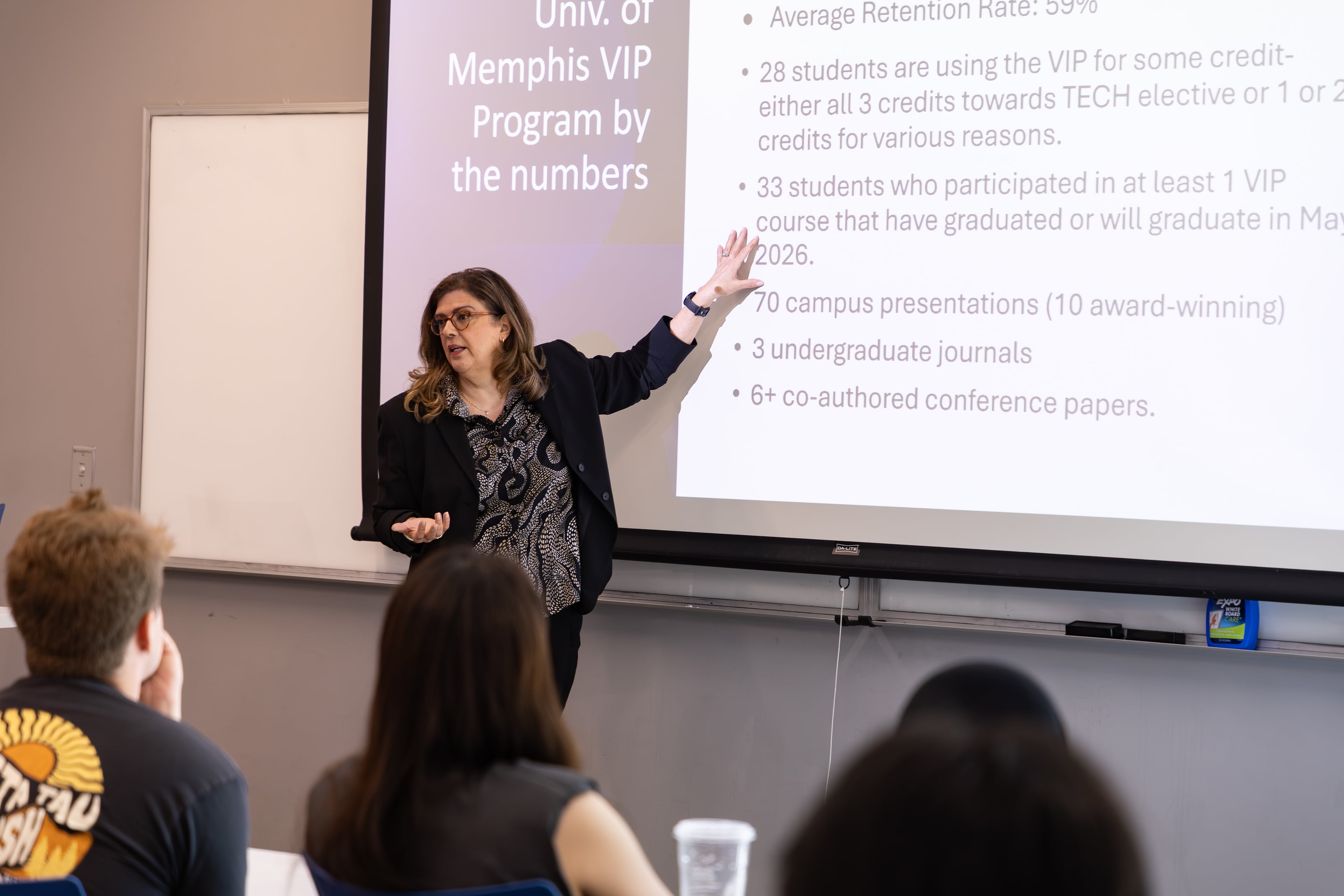
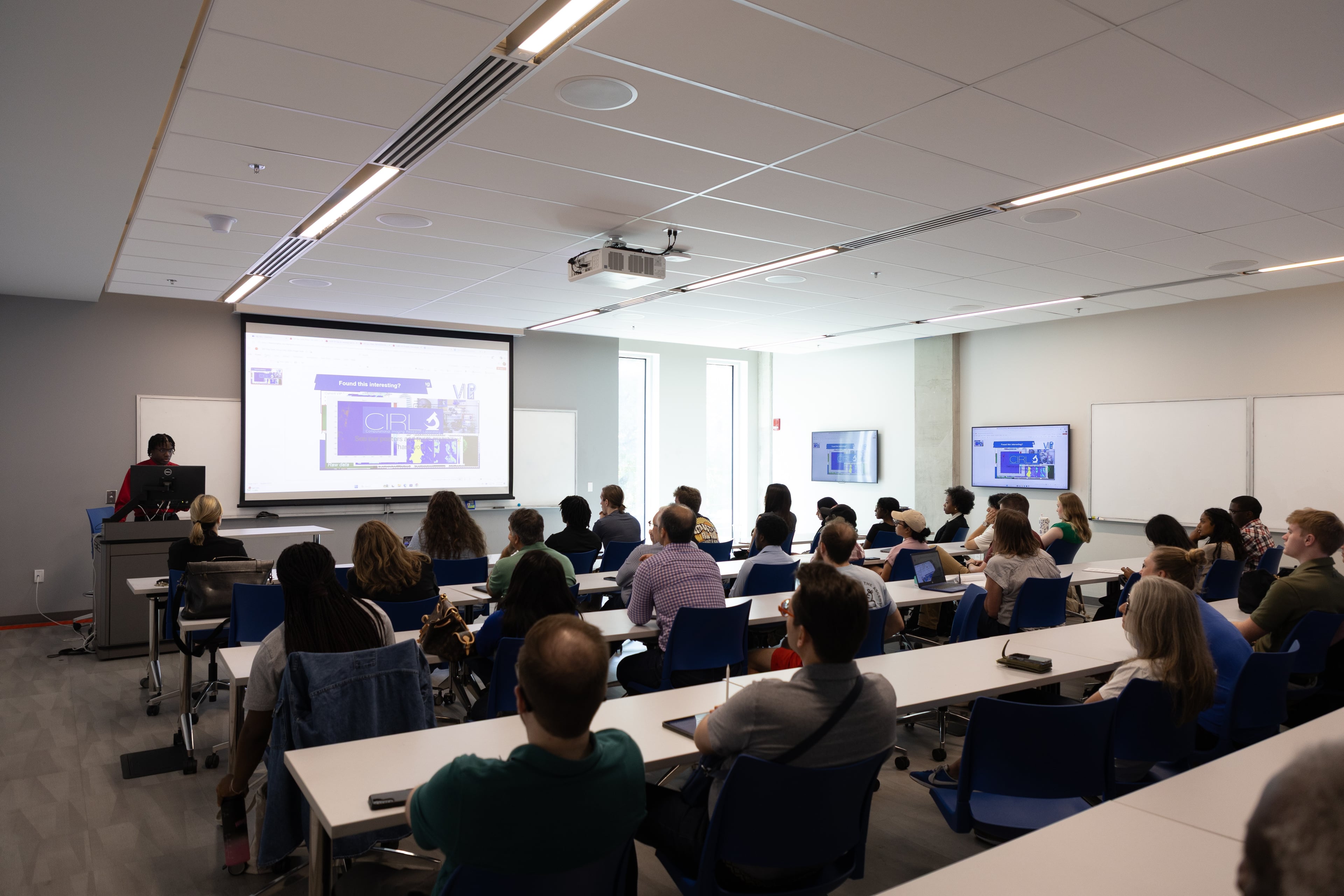
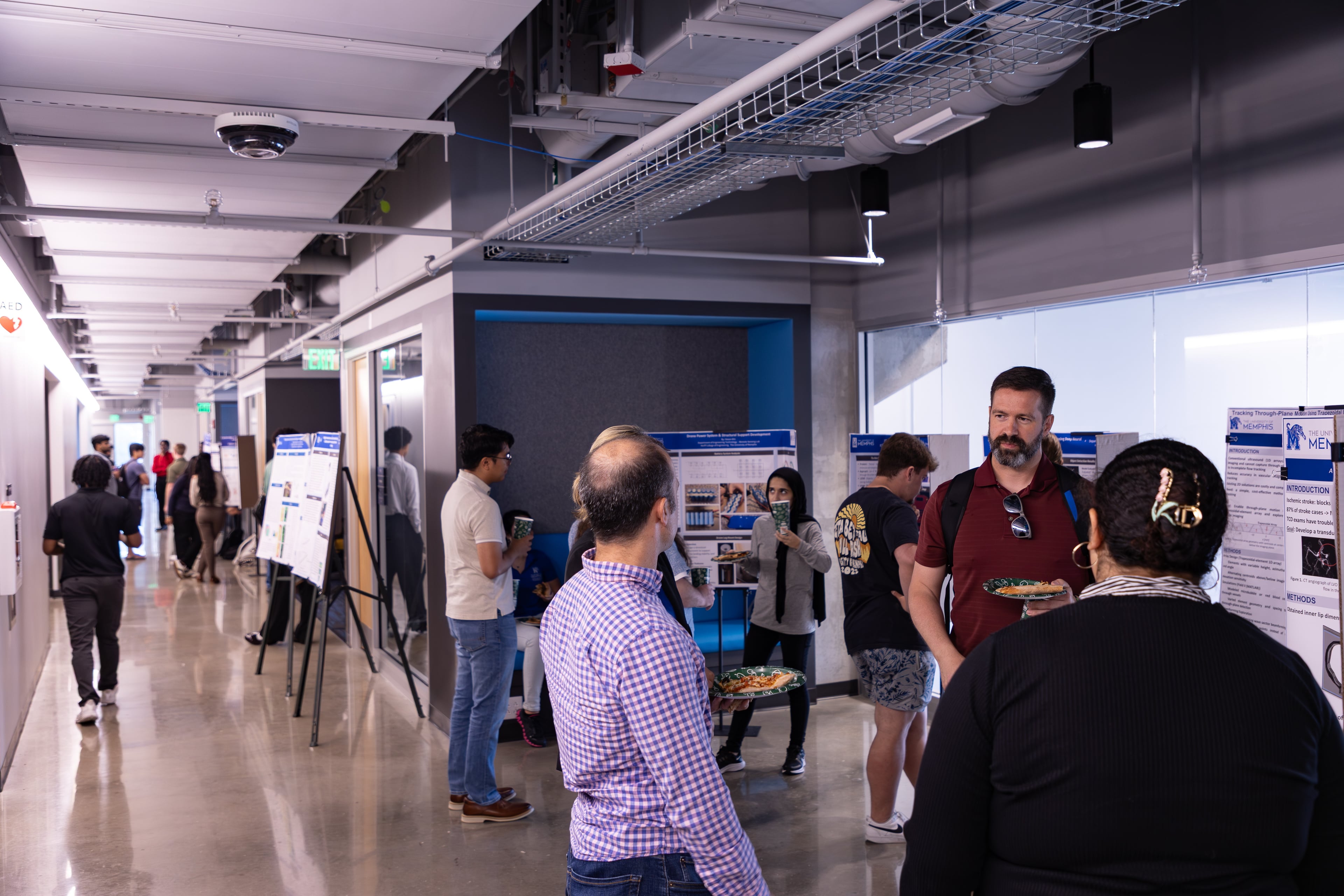
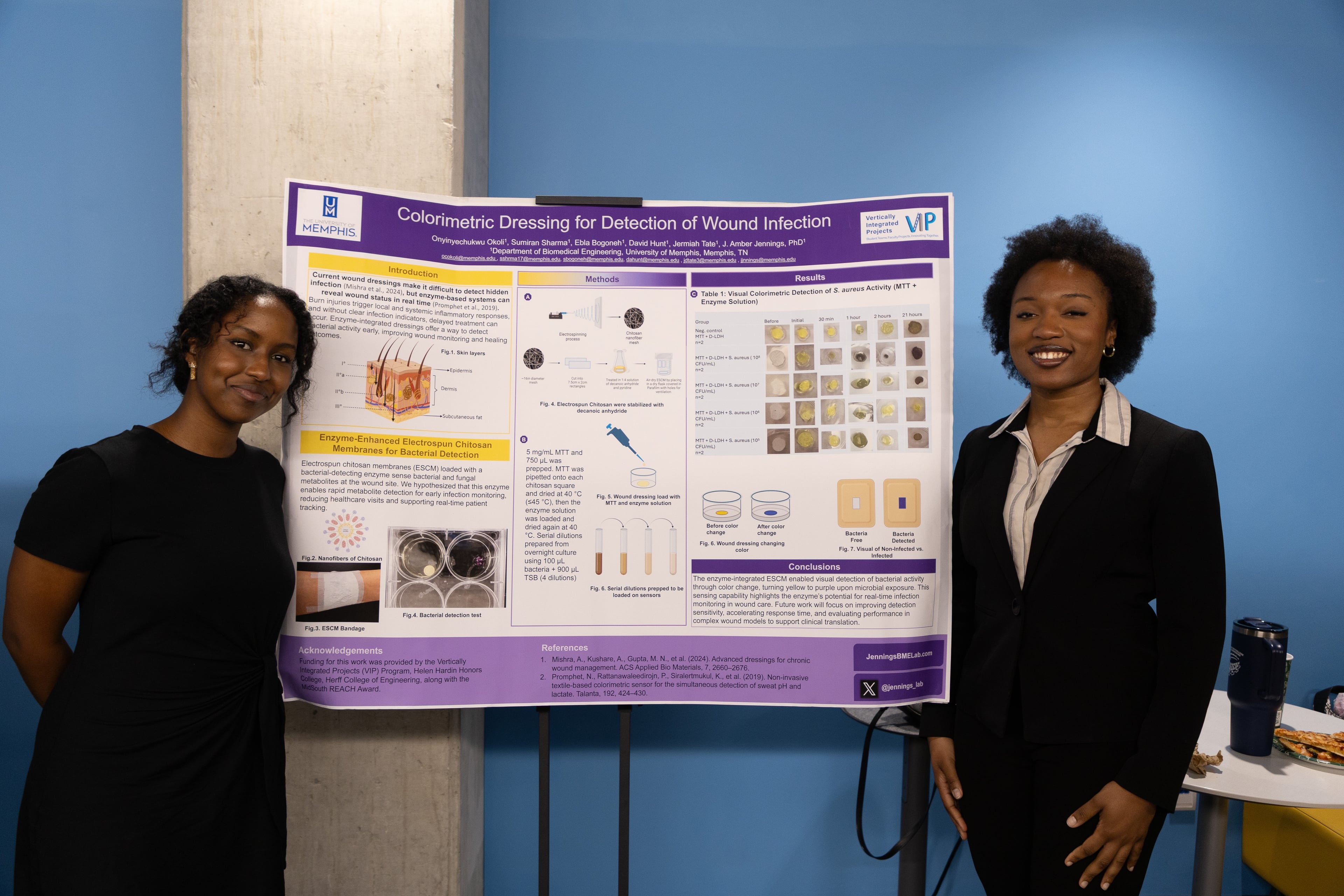
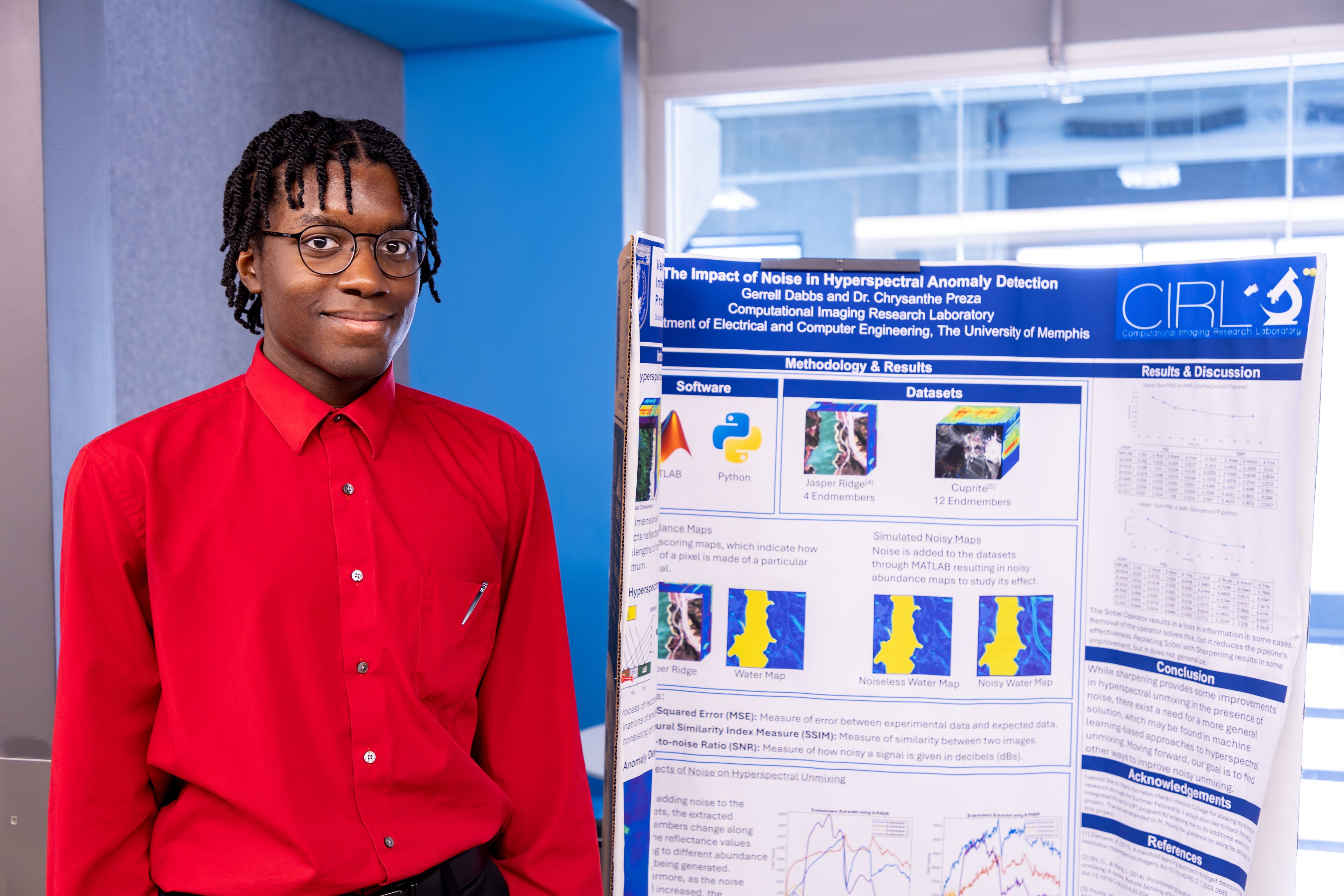
Over a three-year period, the program engaged 82 undergraduate students, 14 graduate mentors, and 8 faculty mentors across four engineering departments: Biomedical, Civil, Electrical and Computer, and Mechanical. Participants contributed to significant scholarly output, including three undergraduate journal publications, 70 campus presentations—10 of which received awards—and six co-authored conference papers. Notably, the program has achieved sustainability beyond the initial NSF funding period, demonstrating its long-term viability and institutional value. The second Annual VIP Day was held on Friday, April 17, where students showcased their VIP team’s research with oral and poster presentations. A total of 18 posters were presented.
The NSF IUSE project co-PIs (Drs. Preza, Ivey, and Stewart) examined the impact of vertically integrated research experiences on students’ engineering identity, self-efficacy, skill development, and persistence. While survey data indicated high baseline levels of identity and intent to persist—with limited measurable change over time—students reported substantial gains in applied technical skills such as experimental design, computational methods, engineering tools, and long-term project planning. Participants also experienced growth in key professional competencies, including teamwork, communication, collaboration, presentations, and ethical reasoning.
Qualitative findings further highlighted increased research confidence, more clearly defined career goals, and the critical role of cross-level mentorship in student development. Overall, results suggest that the VIP model’s greatest impact lies in advancing applied skill development and professional socialization rather than shifting traditional STEM identity metrics.
Broader impacts of the program include expanded access to undergraduate research opportunities, strengthened mentoring capacity, enhanced leadership development among graduate students, and increased faculty research productivity. The initiative provides a scalable model for integrating multi-year research experiences into engineering education, contributing to workforce readiness and long-term student success.
Given the proven success of the VIP program within Engineering, a future implementation of the program to all STEM disciplines would benefit more students and position the University of Memphis as a destination institution for students interested in pursuing STEM degrees.
See full details via the NSF Award #2120819.