
University of Memphis Named U.S. State Department Diplomacy Lab Partner
New designation expands opportunities for faculty and students to engage in real-world global policy research
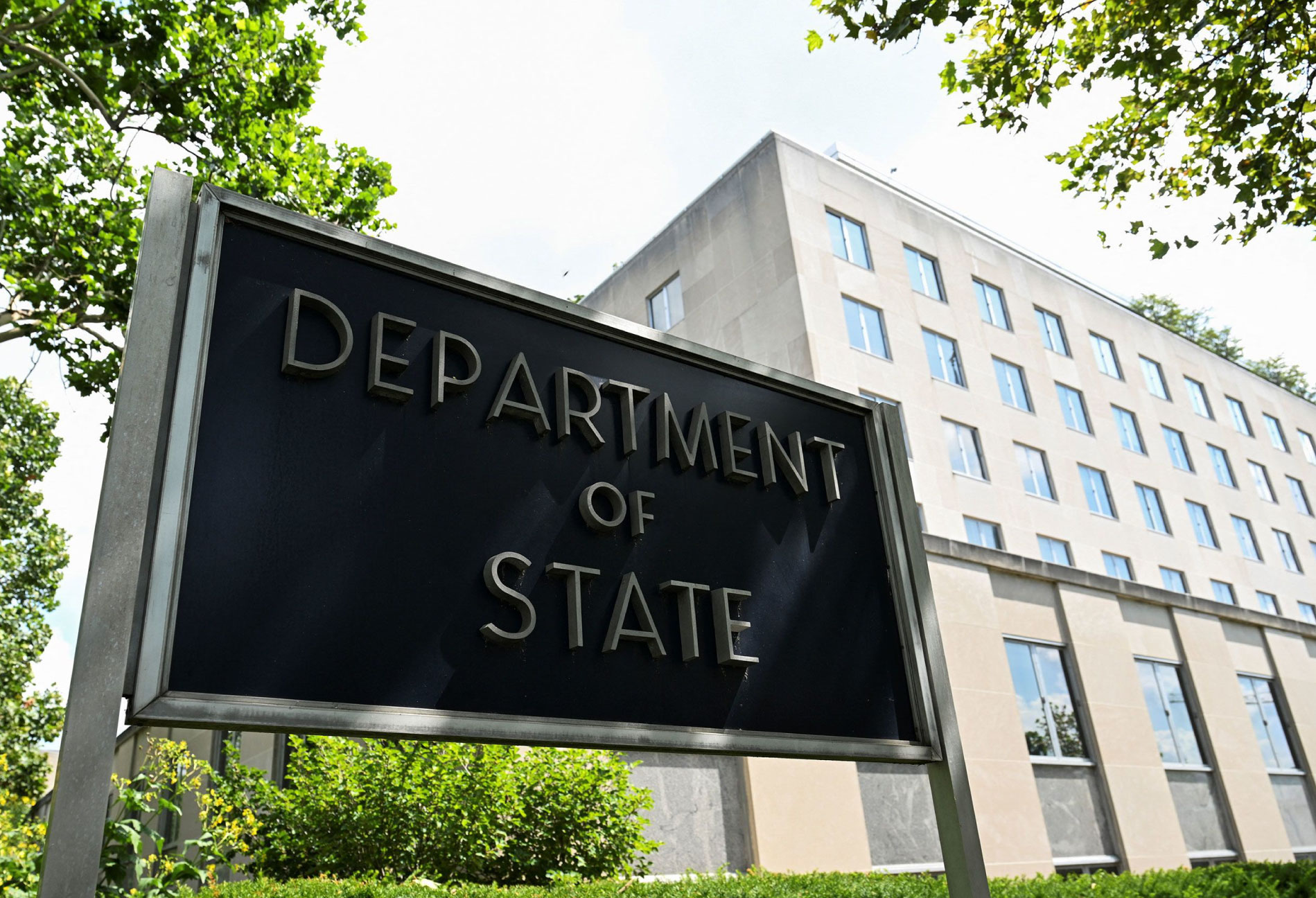
The University of Memphis has been selected by the U.S. Department of State as an
official Diplomacy Lab partner institution, joining a national network of universities
that contribute research expertise to address real-world foreign policy challenges.
This designation provides faculty and students with unique opportunities to collaborate
directly with U.S. diplomats on pressing global issues through applied research projects.
As part of this initiative, the University has established a Diplomacy Research Cluster (DRC) to coordinate campus participation. Dr. Leah Windsor of the Institute for Intelligent Systems (College of Arts and Sciences) and Dr. Jasper Fessman of the Department of Journalism and Strategic Media (College of Communication and Fine Arts) serve as co-Directors of the DRC, working alongside university leadership to support faculty engagement and proposal development. All project submissions will be coordinated through the DRC Directors to ensure alignment with program priorities and successful participation.
Faculty across disciplines are encouraged to review the Fall 2026 Diplomacy Lab project topics and consider submitting proposals. This program offers a valuable platform for interdisciplinary collaboration, experiential learning, and meaningful contributions to U.S. foreign policy and international development efforts. Use this searchable webpage where you can search by subject matter, discipline, etc.
Those interested in participating or learning more are encouraged to contact Fessman, jasper.fessmann@memphis.edu, or Windsor, lcwells@memphis.edu. Faculty may also join the University of Memphis Diplomacy Research Cluster mailing list to receive updates and opportunities by signing up at: https://forms.gle/gCHBJY1USan4r9NV6.
Colleagues are encouraged to share this opportunity broadly to maximize engagement across the University’s research community.