
Driving the Future of Public Transportation: University of Memphis Advances AI-Powered Transit Innovation
University of Memphis researchers are working to improve transportation accessibility and mobility through the federally funded PATH-TN initiative.
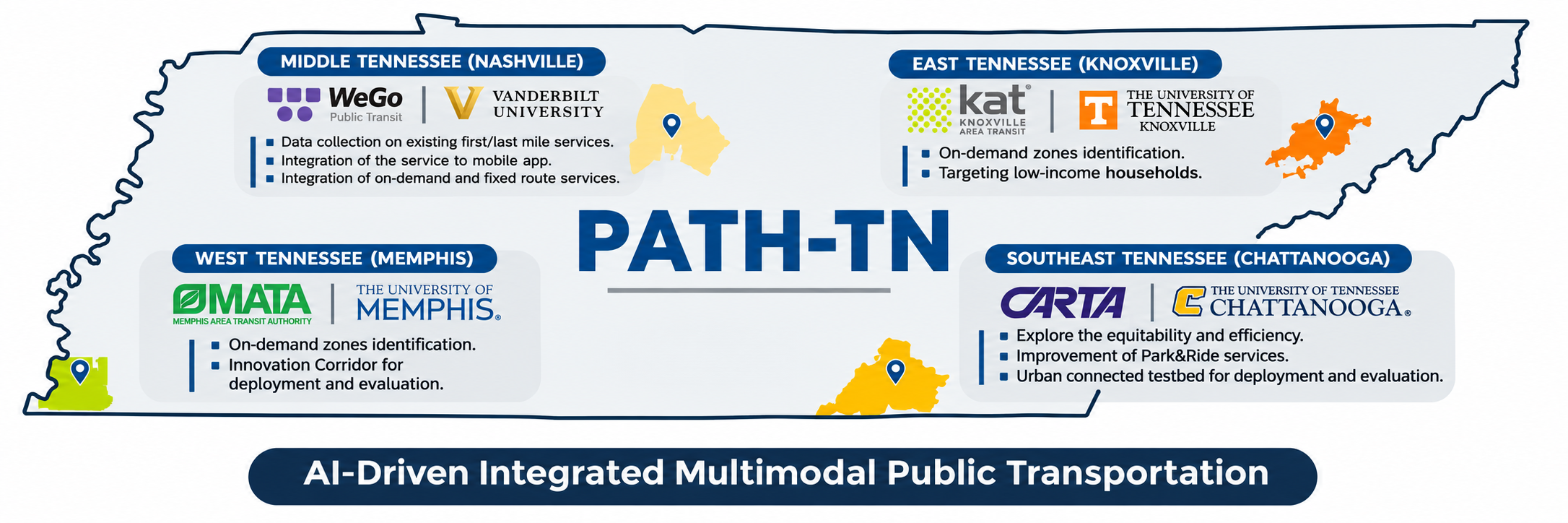
Dr. Sabyasachee Mishra, Professor of Civil Engineering at the University of Memphis and Director of the Center for Transportation Innovations, Education, and Research (C-TIER), has received a $1,191,276 award from the U.S. Department of Transportation (USDOT) to support the PATH-TN (Partnership for AI-Driven Multimodal Transportation Services Integration in Tennessee Cities) project. The award is part of a larger, approximately $8.66 million initiative funded through the Federal Highway Administration's Advanced Transportation Technology and Innovation (ATTAIN) program. Led by Vanderbilt University, the initiative brings together universities and transportation agencies across Tennessee to explore how artificial intelligence (AI) and innovative transportation technologies can improve the accessibility, reliability, and efficiency of public transit systems.
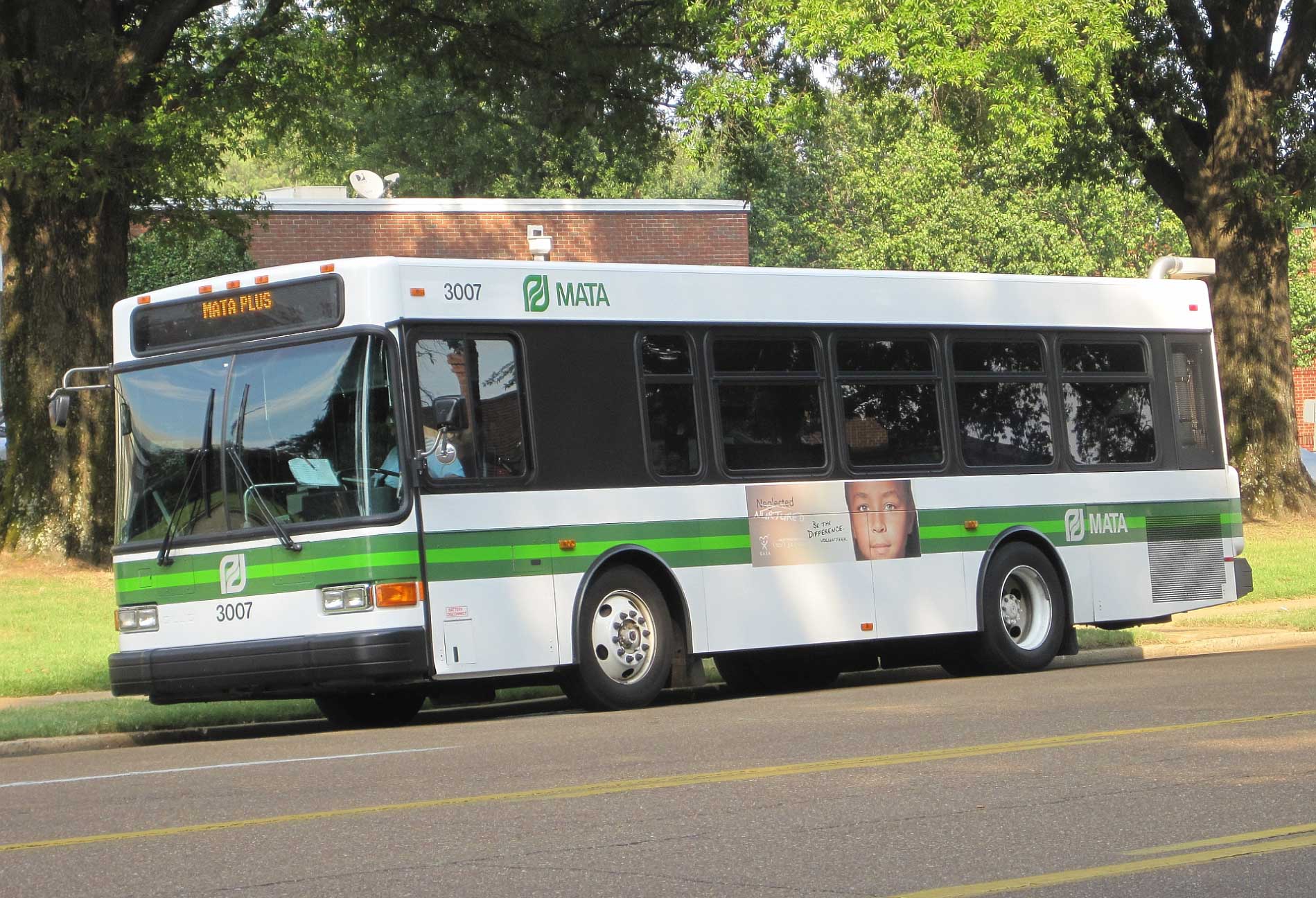
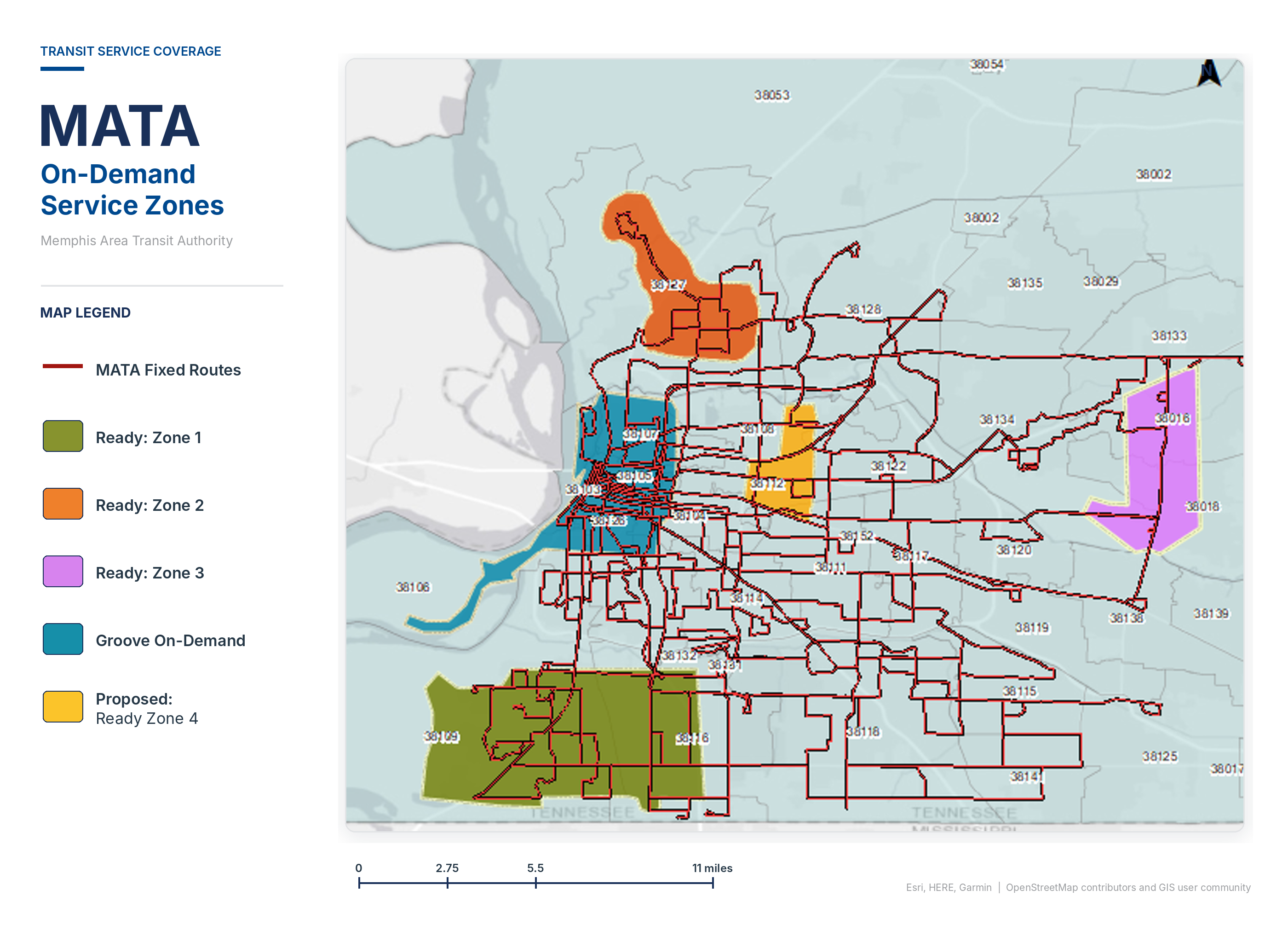
As part of this statewide initiative, the University of Memphis research team is collaborating with the Memphis Area Transit Authority (MATA) to support the development and implementation of an on-demand transportation service in Memphis. The initial effort focuses on the Binghampton community, where the proposed service aims to provide more flexible transportation options for residents. The proposed on-demand transit service will allow passengers to request trips within a designated service area, enhancing travel flexibility and access to essential destinations. The University of Memphis team will be contributing to service planning, operational design, technology integration, field readiness, and performance evaluation. The team will examine important transportation challenges, including passenger waiting times, travel demand patterns, service reliability, vehicle utilization, and connections with existing transit services. The project will also explore how AI-supported transportation systems can help transit agencies respond more effectively to passenger needs while improving the use of available resources.
Beyond technological innovation, PATH-TN seeks to address everyday mobility challenges faced by communities with limited transportation options. More accessible and reliable transit services can help residents reach employment opportunities, educational institutions, healthcare facilities, grocery stores, and other essential destinations. By combining emerging transportation technologies with community mobility needs, the initiative aims to make public transportation more convenient, inclusive, and responsive to local travel demands.
The Memphis implementation will provide valuable opportunities to evaluate innovative transportation services under real-world operating conditions. Findings from this research may help inform future transit planning and service improvements in other Tennessee cities, including Nashville, Chattanooga, and Knoxville. Through collaboration among universities, public transportation agencies, and local communities, PATH-TN aims to advance a more connected, accessible, and sustainable transportation future across Tennessee.