
Memphis SOUND Project Takes Community-Based Approach to Improving Hearing Healthcare Access
New NIH-funded UofM research partners with Memphis faith communities to better understand the social and cultural factors that influence whether older adults seek hearing care
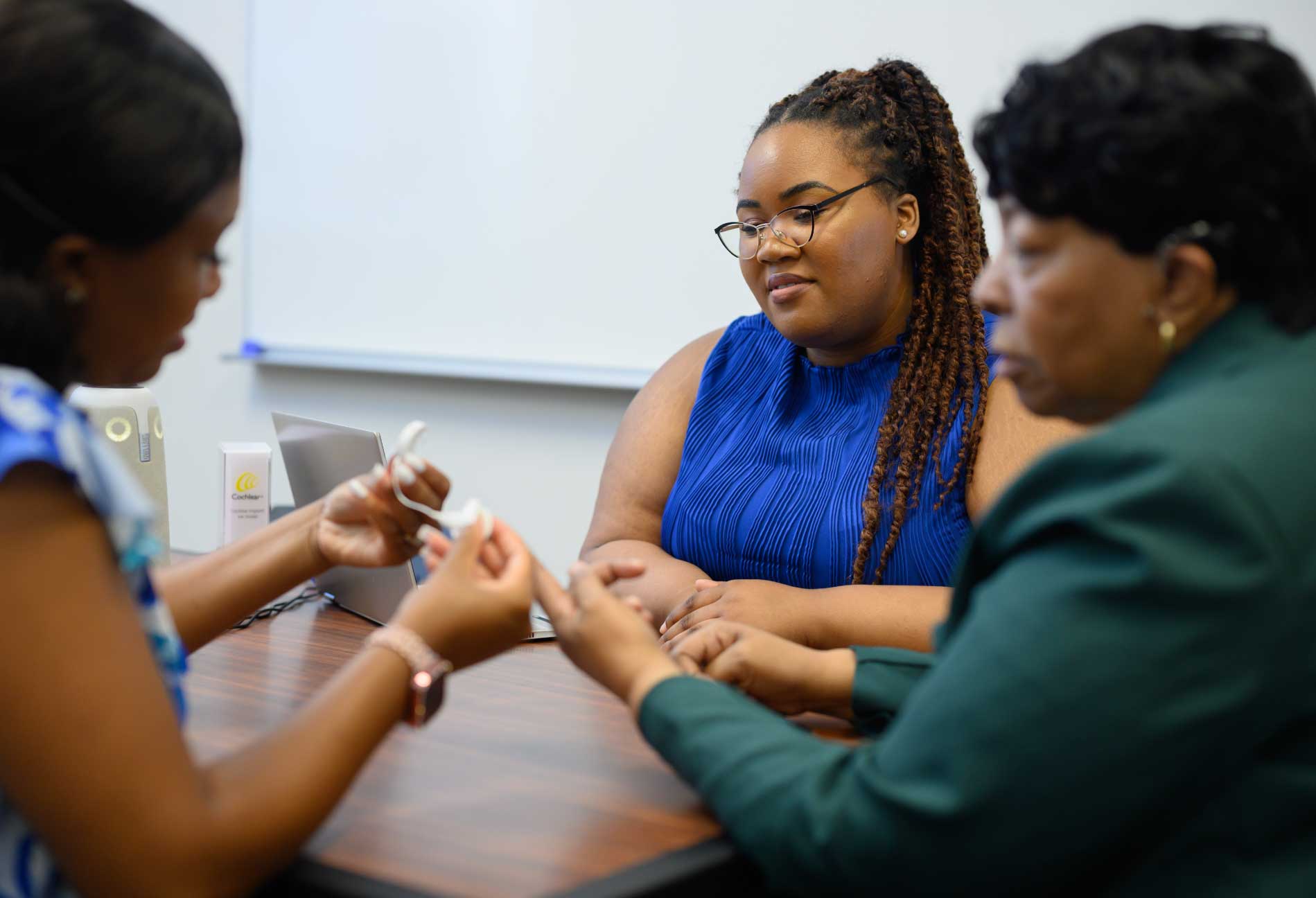
Hearing loss is one of the most common chronic conditions affecting older adults, but most people experiencing it never seek treatment.
A new University of Memphis research project supported by the National Institutes of Health (NIH) is looking beyond the clinic to better understand why — and how communities can help close the gap between hearing loss and hearing healthcare.
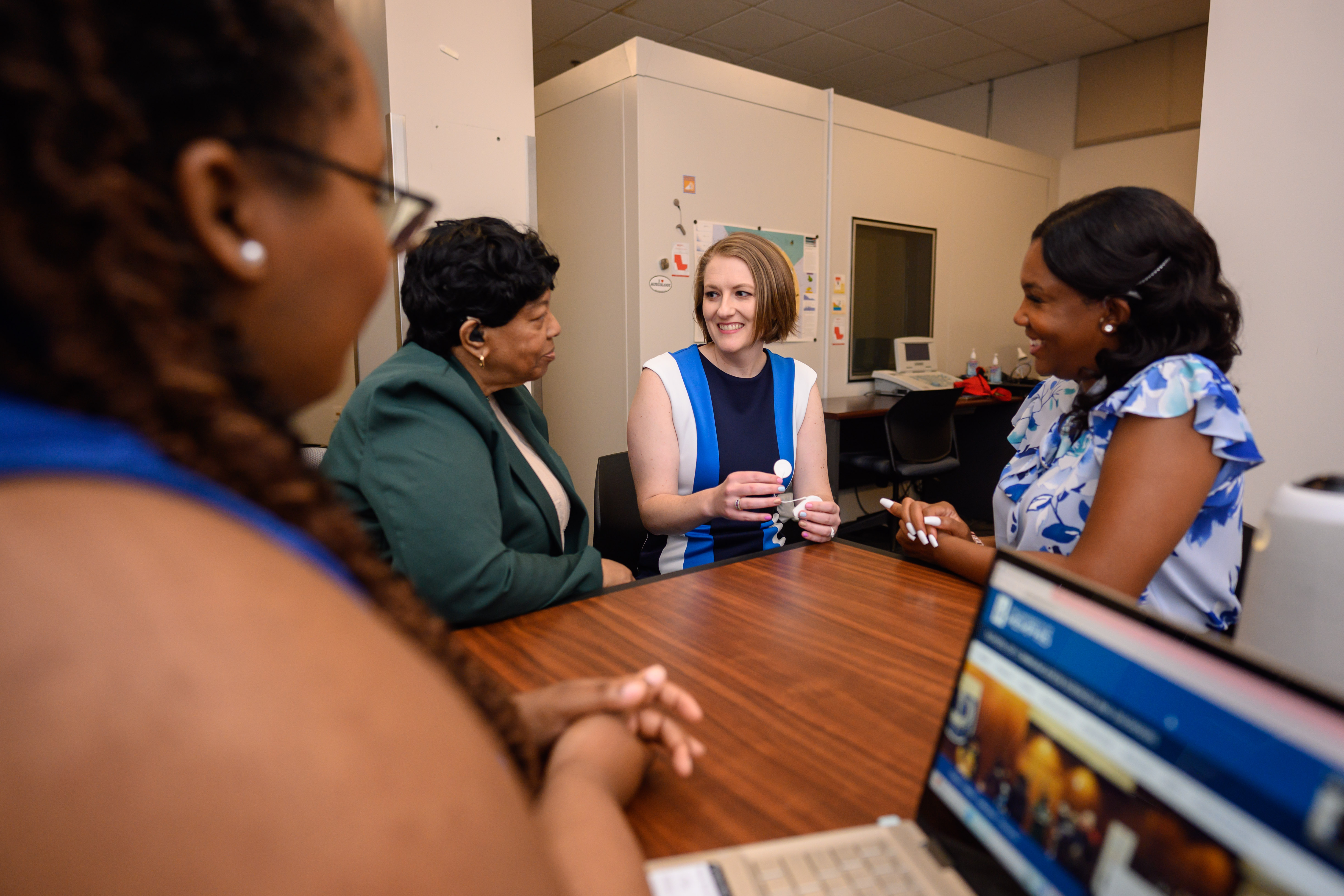
The Memphis SOUND Project, supported by an NIH R21 award (1R21DC023274-01A1), will examine the social and cultural factors that influence access to hearing healthcare within the Memphis community. Working in partnership with 10 local faith-based organizations, researchers will combine hearing evaluations, questionnaires, and in-depth interviews to better understand how people's experiences, beliefs, and communities influence decisions about hearing care. Dr. Sarah Warren serves at the principal investigator for this award.
The issue has significant implications for healthy aging.
Approximately one-quarter of Americans ages 60–69 and two-thirds of adults ages 70 and older live with measurable hearing loss. Yet fewer than 15% of adults with hearing loss pursue treatment.
Untreated hearing loss can affect far more than the ability to hear a conversation. It has been linked to accelerated cognitive decline, increased risk of dementia, poorer physical functioning, and greater social isolation. At the same time, research has shown that hearing interventions can improve health-related quality of life and reduce healthcare costs.
Looking Beyond Whether People Seek Care
Understanding why so many adults do not receive hearing healthcare requires researchers to consider more than healthcare utilization alone. Decisions about seeking treatment can be influenced by individual experiences and broader cultural and social factors, including perceptions of disability, trust in healthcare systems and social expectations surrounding aging and health.
Those factors may be especially important when considering differences in access to care. Black older adults are disproportionately affected by several conditions associated with hearing health, including dementia and diabetes. Although Black adults overall have a lower prevalence of hearing loss than white adults, Black adults who do experience hearing loss access hearing interventions at significantly lower rates.
Research examining the cultural and contextual factors contributing to those differences remains limited. The Memphis SOUND Project aims to help fill that gap by studying hearing healthcare access within the community itself.
Research Built Around Community Partnerships
Rather than relying exclusively on a traditional clinical setting, the project will work with 10 faith-based organizations across Memphis.
Church partners will help researchers engage with community members, while a Community Advisory Board will provide input on project priorities and help researchers interpret their findings within the context of people's lived experiences.
The approach brings community knowledge together with an interdisciplinary UofM research team representing audiology, social work, behavioral science, and biostatistics, along with individuals who bring lived experience within the Memphis community.
By combining hearing evaluations and quantitative data with conversations about people's experiences and perspectives, researchers hope to develop a more complete picture of the factors that encourage — or discourage — older adults from accessing hearing healthcare.
Building a Foundation for Better Hearing Health
The NIH award builds upon earlier support that helped establish the partnerships and research foundation necessary for the larger project.
A University of Memphis Communities of Research Scholars (CoRS) grant supports interdisciplinary collaboration and community-academic partnerships. The Center for Research Initiatives and Strategies for the Communicatively Impaired (CRISCI) and the American Speech-Language-Hearing Association have also supported preliminary work contributing to the NIH-funded expansion.
The long-term goal extends beyond identifying barriers.
By understanding how social, cultural and community factors shape hearing healthcare decisions, the Memphis SOUND Project could help inform future approaches to hearing care that better reflect the needs and priorities of the people they are designed to serve.
For Memphis and beyond, that knowledge could contribute to a broader goal: ensuring that more adults have access to hearing healthcare that supports their health, independence, social connection, and quality of life as they age.
For more information on this award, contact Warren at swarren8@memphis.edu.