
UofM Research Explores How Educational Environments Shape Student Opportunity
APA-funded study examines how safety, belonging, support and preparation for the future shape students’ educational experiences and opportunities.
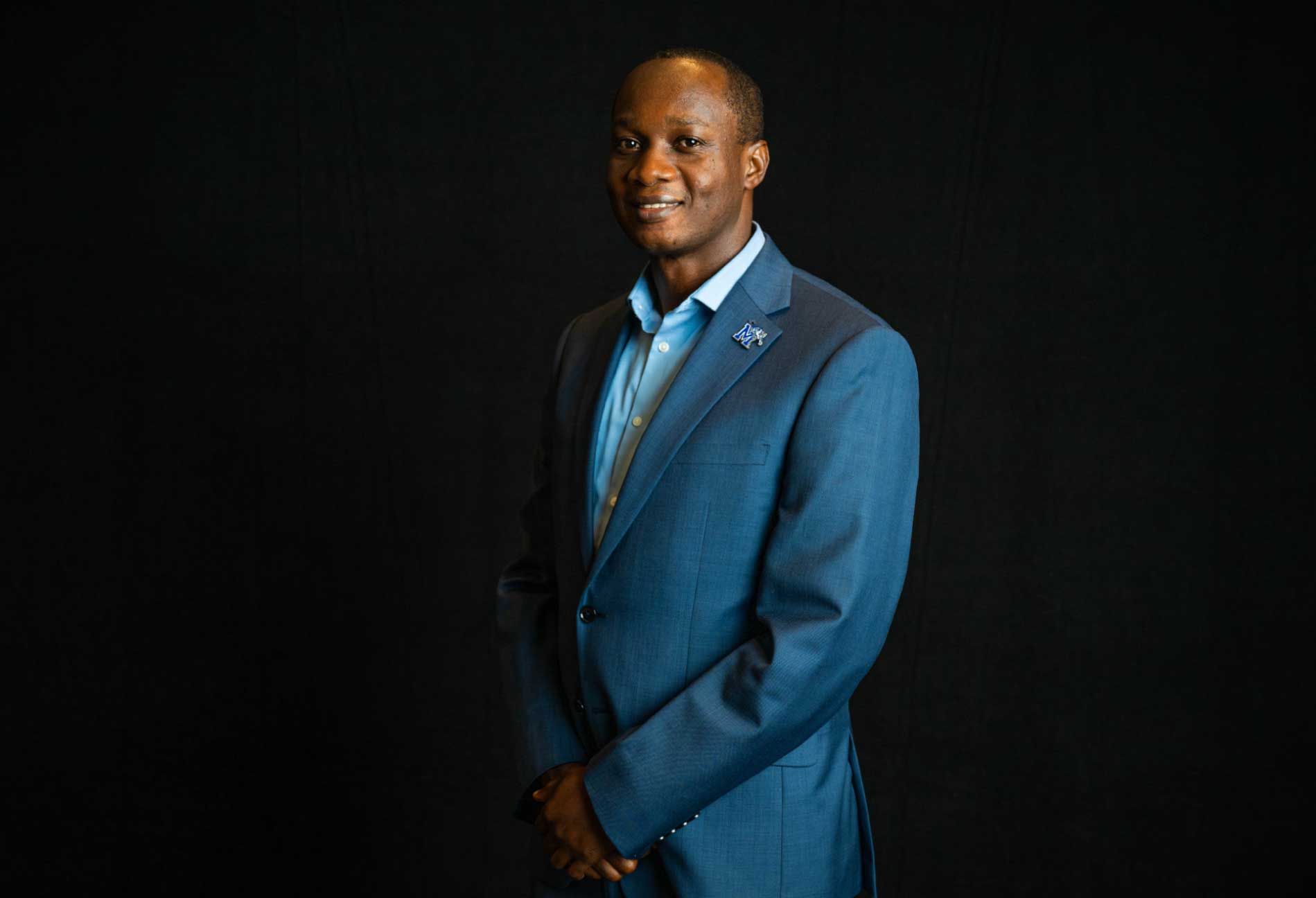
Getting students through the schoolhouse door is important. But is access to education enough if the environment inside does not give them the conditions they need to thrive? That question is at the heart of new research by Dr. Gabriel Ezema, assistant professor of counseling psychology at the University of Memphis, who is examining what makes an educational experience not simply available, but supportive, equitable and capable of expanding a young person's opportunities.
Ezema received a $7,200 research grant from the American Psychological Association's Division 15 (Educational Psychology) for his project, “Decent Education as a Developmental Condition: Understanding Institutional Thresholds of Opportunity, Belonging, and Future Work.” The award supports Ezema's broader research into how educational and institutional environments influence human dignity, development, well-being, and access to meaningful work.
What Conditions Help Students Thrive?
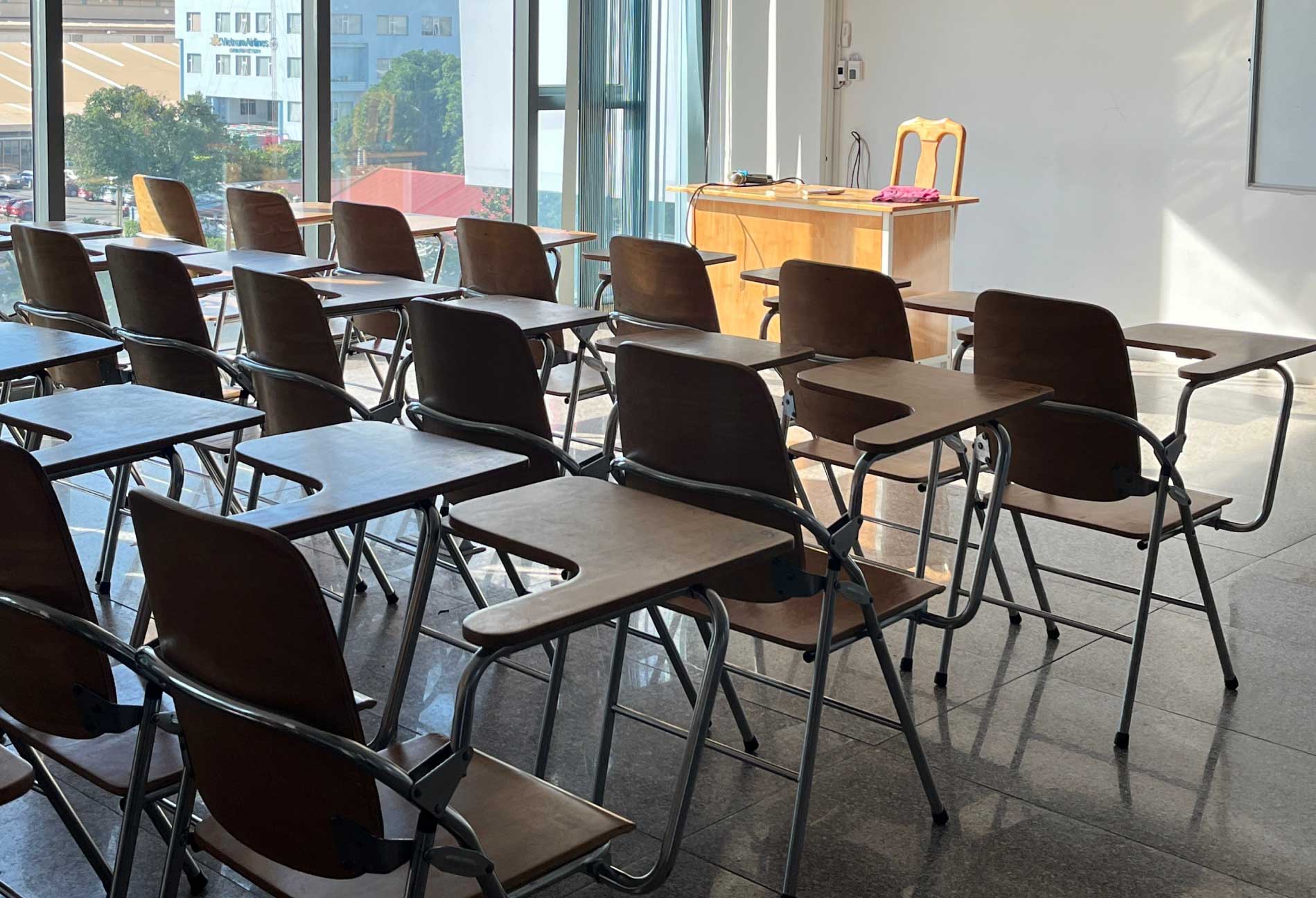
Education is often described as a pathway to opportunity. But students can travel very different paths even when they technically have access to the same educational system. Some attend schools where they feel safe, supported and connected to their communities. Others may encounter inadequate resources, unfair treatment, limited support or environments that leave them feeling disconnected or unprepared for what comes next. Those experiences can affect more than grades or graduation rates. They can influence whether students feel they belong, how they view their own abilities and what they believe is possible for their futures.
Drawing on the Decent Education framework, Ezema's research asks what educational institutions must provide for students to have an experience that supports their development and dignity. His study focuses on six areas: physical safety, psychological safety, social belonging, quality instruction, and preparation for future educational and career opportunities. Rather than assuming researchers or institutions should determine what qualifies as sufficient, Ezema is asking young people themselves.
Learning From Students’ Experiences
The study will include in-depth interviews with 24 emerging adults between the ages of 18 and 24 from economically and socially marginalized backgrounds. Participants will reflect on their secondary school experiences and discuss what helped them feel safe, valued, supported and prepared for the future. They will also identify experiences and institutional conditions that created barriers.
A particularly important part of the research will ask participants to describe what they believe are the minimum conditions necessary for a positive and supportive educational experience. That distinction matters. The research is not simply asking what an ideal school might look like. Instead, it seeks to understand the basic institutional conditions students need to learn, develop, belong, and see meaningful possibilities for their futures.
By centering the experiences of young adults who have recently moved through secondary education, Ezema hopes to provide a clearer picture of how school environments can influence development during an important period of life.

Looking Beyond Individual Achievement
The potential implications extend beyond educational psychology. Findings could help educators, school counselors, educational leaders, and policymakers better understand the institutional conditions that support students, particularly those facing economic and social barriers. The project will also contribute to the continued development of the Decent Education framework and could help inform future tools for measuring the quality of students' educational experiences.
Ultimately, Ezema's research encourages a broader way of thinking about educational success. Traditional measures often focus on outcomes such as grades, test scores, graduation and college or career placement. Those measures are important, but Ezema's work asks researchers and educators to consider what happens along the way: Did students feel safe? Did they feel that they belonged? Did they receive quality instruction? And did their education help them imagine and prepare for a meaningful future?
By examining those questions, the research shifts some of the conversation about educational success away from what individual students achieve and toward the environments institutions create for them. For Ezema, that means considering education not only as something students should be able to access, but as an experience that should provide the conditions necessary for them to develop, participate, and envision what comes next.
For more information, contact Ezema at gnezema@memphis.edu.