
NIH Award Expands UofM Research into Balance Across the Lifespan
New advanced assessment system will strengthen research into balance disorders while expanding pediatric studies, interdisciplinary collaboration and student training
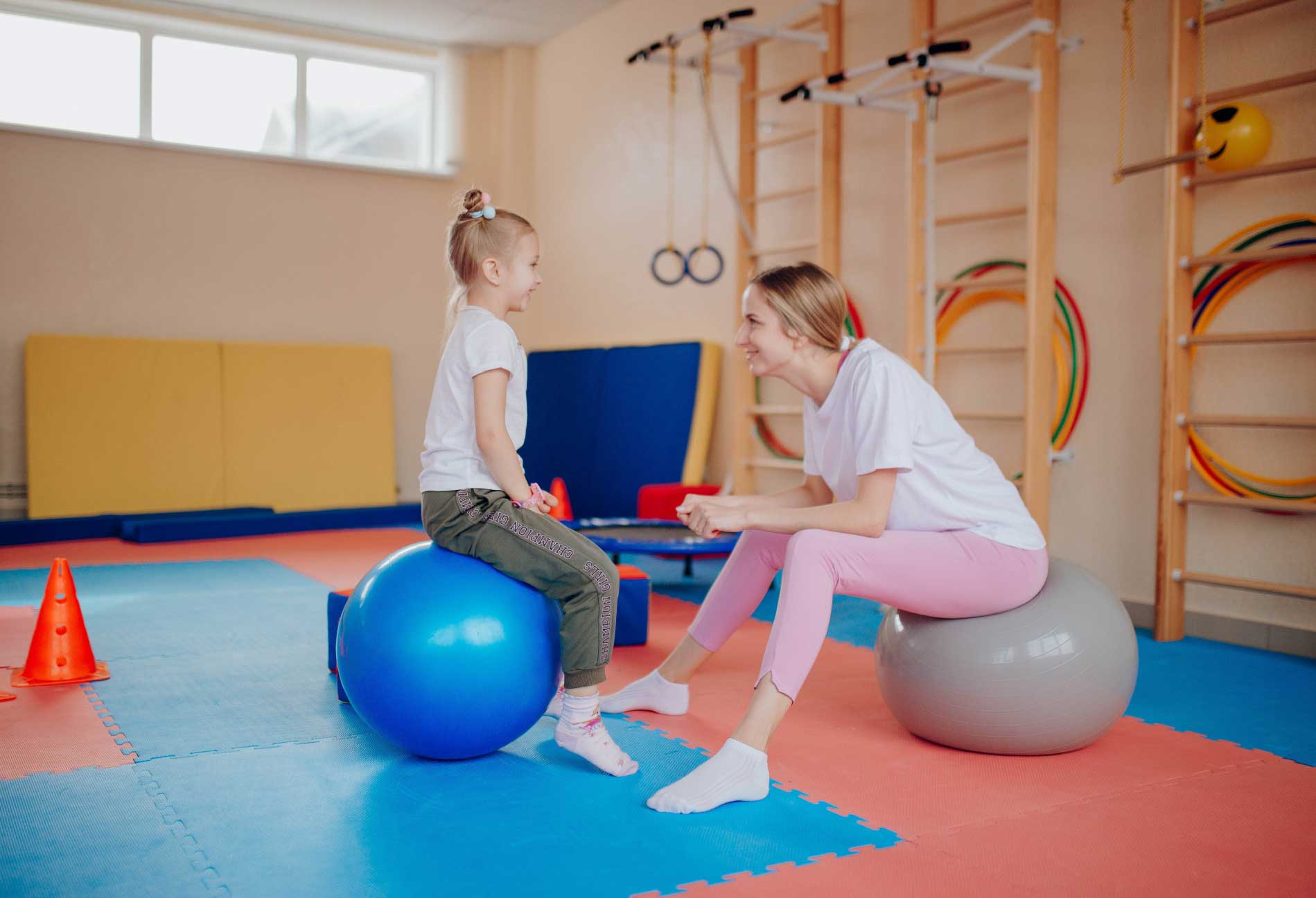
Balance is something most people rarely think about—until it becomes difficult. Behind the ability to walk steadily, maintain focus while moving or simply know where the body is in space is the vestibular system, a complex network involving structures in the inner ear and pathways in the brain. When that system is not functioning properly, the effects can reach far beyond dizziness, influencing mobility, development, independence, and quality of life.
New federally funded equipment coming to the University of Memphis will give researchers greater ability to understand how that system works across the human lifespan.
Dr. Raghav Jha, assistant professor in the School of Communication Sciences and Disorders, has received an S10 instrumentation grant from the National Institutes of Health (NIH) to acquire an advanced rotary chair system equipped with videonystagmography (VNG) and pediatric assessment capabilities. The proposal received an overall impact score of 10—the best possible score under the NIH review system—reflecting exceptional reviewer enthusiasm for the project and its potential impact. Co-investigators on the award are Dr. Thierry Morlet and Dr. Kelsey Mankel, also in the School of Communication Sciences and Disorders. Together, the researchers will use the new equipment to expand vestibular research at UofM and support multiple research programs.
Understanding the System Behind Balance
The vestibular system continually sends the brain information about head movement and the body's position in space. It works with vision and other sensory systems to help people maintain balance and keep their vision stable while moving. When vestibular function is impaired, the consequences can vary considerably depending on a person's age and condition.
For older adults, vestibular dysfunction can contribute to problems with balance and increase the risk of falls. For children, vestibular difficulties can interfere with motor development and activities important to learning and participation. Understanding how vestibular function changes with age, experience and disease can ultimately help researchers improve the ways these problems are identified and addressed.
The new system will allow UofM researchers to conduct more comprehensive assessments of vestibular function. Its pediatric capabilities are particularly important, expanding opportunities to study younger children and better understand how the vestibular system develops early in life. The equipment will support research into age-related changes in vestibular function, physiological markers associated with vestibular disorders and the ability of the vestibular system to adapt through experience. Researchers will also be able to use the resulting data for computational modeling of vestibular responses, creating additional opportunities to examine how the system functions and changes under different conditions.

Creating New Opportunities for Collaboration
While the equipment will be housed within Communication Sciences and Disorders, its potential applications extend beyond a single discipline. The new capabilities can support collaborations involving audiology, neuroscience, engineering, healthcare and computational research, allowing investigators to approach questions about balance and spatial orientation from multiple perspectives.
That interdisciplinary potential is an important component of major shared instrumentation. By providing technology that can support multiple investigators and research questions, the system will help strengthen the University's broader research infrastructure while creating opportunities for new collaborations and externally funded studies.
Training the Next Generation
The impact will also extend directly to UofM students. Doctor of Audiology and PhD students will have opportunities to work with the equipment and receive hands-on training in advanced vestibular assessment, data collection and interpretation. The system will support classroom instruction and laboratory demonstrations as well as student-led capstone projects, dissertations, and other research experiences.
That combination of research and education gives students the opportunity to learn with the same advanced technologies they may encounter as future clinicians and researchers. By bringing new vestibular assessment capabilities to UofM, Jha, Morlet and Mankel are building capacity to investigate an area of human health that affects people at every stage of life—from children developing the skills to confidently navigate their environments to older adults seeking to maintain mobility and independence.
At the same time, the investment will create a shared resource for research, collaboration, and student training, strengthening the University's ability to better understand the complex system that helps keep people balanced, oriented and moving through the world.
For more information on this initiative, contact Jha at rjha@memphis.edu.