
From a Strand of Hair to a Genome: UofM Research Advances Brown Bear Monitoring in Alaska
Alaska Department of Fish and Game award will help Dr. Emily Puckett bring genomic technology to the management and conservation of Southeast Alaska’s brown bear populations
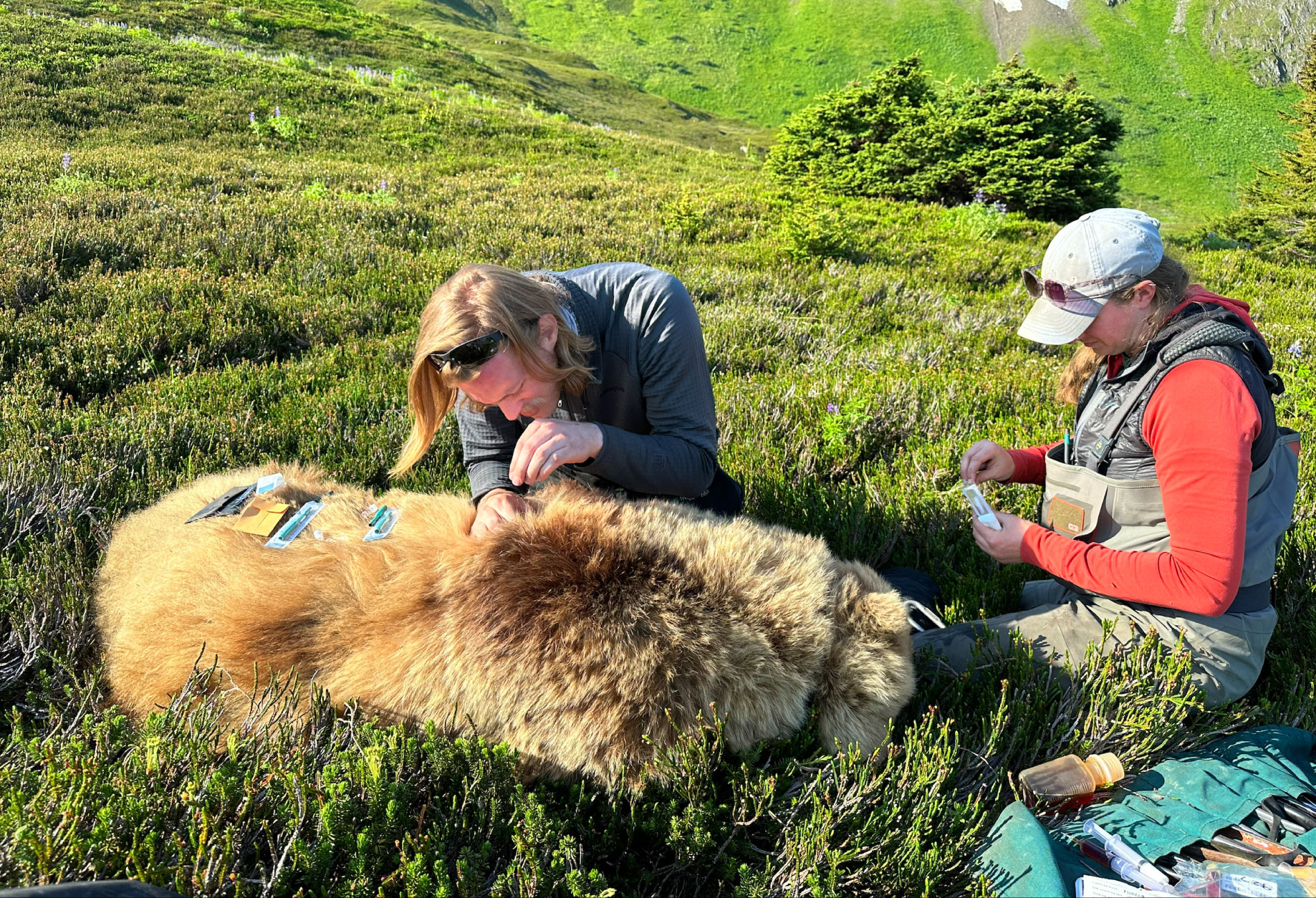
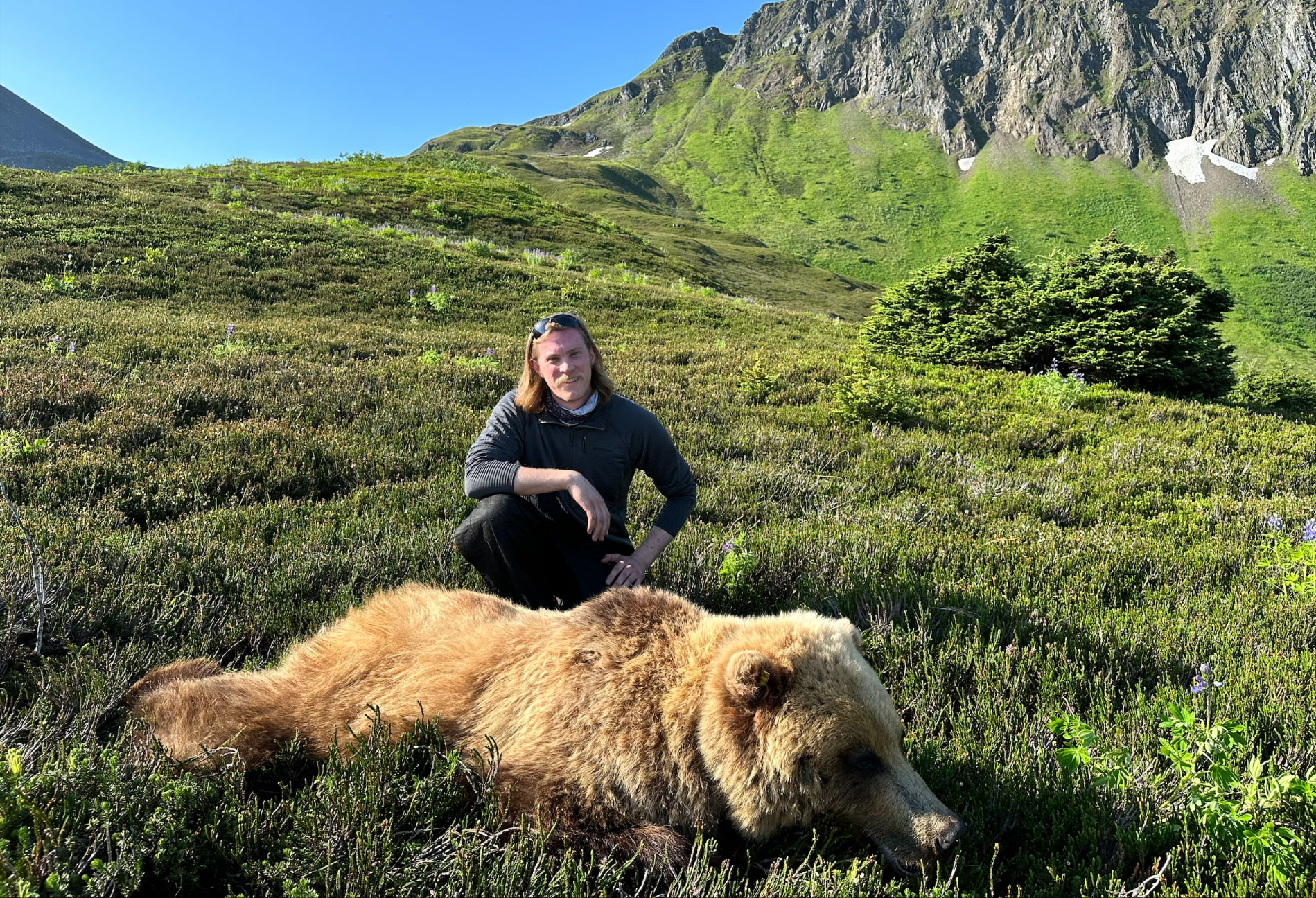
A few strands of bear hair collected from a simple piece of barbed wire can reveal far more than might be expected. For wildlife geneticists, those samples can provide a unique genetic fingerprint for individual bears and, collectively, offer important information about an entire population—from how many bears live in an area to how closely populations are connected across the landscape.
Now, University of Memphis researcher Dr. Emily Puckett, associate professor in the Department of Biological Sciences, is helping bring the next generation of that technology to Southeast Alaska.
Puckett has received an award from the Alaska Department of Fish and Game for the project, “Developing and Applying Genomic Tools for Brown Bears in Southeast Alaska.” The research will help transition the region’s long-running brown bear monitoring program from traditional genetic analysis to a modern, genome-wide approach.
Population genetics has long been an important tool in wildlife management. Researchers can collect hair from bears using noninvasive barbed-wire traps and analyze the DNA to distinguish one animal from another. Those genetic fingerprints can then help scientists and wildlife managers estimate population size and density, determine how closely animals are related, measure genetic diversity and understand how bears move and reproduce across different populations. Historically, this type of monitoring relied on examining roughly two dozen locations within an animal’s DNA. Advances in genomic technology now make it possible to collect information from across the entire genome, providing researchers with a much more detailed picture.
Through the new project, Puckett will develop algorithms capable of identifying individual bears using genomic data, while also addressing an important challenge: ensuring that approximately 20 years of existing genetic information remains useful as the monitoring program moves to newer technology.
By integrating those decades of legacy data with newly collected genomic information, researchers can preserve the value of the long-term record while expanding what scientists are able to learn about Southeast Alaska’s brown bear populations. The resulting tools will also support estimates of the region’s brown bear population size—information wildlife managers use to make informed decisions that help maintain healthy, sustainable populations.
The award builds on a collaboration between Puckett and bear biologists and managers in Southeast Alaska that began in 2019. Her earlier work included a comparative population and landscape genomics study of both American black bears and brown bears.
Southeast Alaska provides an especially interesting natural laboratory because black and brown bears share the same landscape—something that occurs in relatively few places around the world. Studying the two species together can help researchers better understand how ecologically similar animals divide resources and successfully coexist within the same environment.
The new project illustrates how advances in genomics and computational science can translate into practical tools for wildlife conservation and management. By connecting decades of field observations with increasingly powerful genetic technology, researchers can provide wildlife managers with a clearer picture of not only how many bears are present today, but how populations are connected and changing over time.
For more information about the project, contact Dr. Emily Puckett at emily.puckett@memphis.edu.