
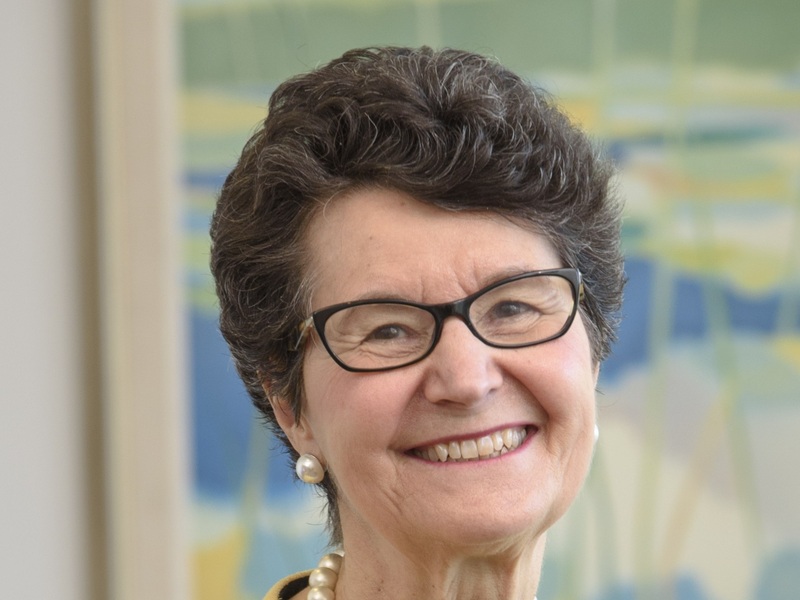
Dr. Mary Ellen Jukoski
Campus President, CT State Quinebaug Valley and CT State Three Rivers
EdD in Curriculum and Instruction, Higher Education (’83)
Current Title: Campus President
CT State Quinebaug Valley and CT State Three Rivers
Why did you choose the University of Memphis?
I chose the University of Memphis because I was awarded a Presidential Assistantship Scholarship, which made it possible for me to pursue my graduate studies. I was also drawn to the opportunity to study at the Center for the Study of Higher Education, led by Dr. Arthur W. Chickering, a renowned scholar in the field. The combination of financial support, academic excellence, and the opportunity to learn from distinguished scholars made the University of Memphis an ideal place for me to grow both personally and professionally.
What is a favorite or meaningful memory from your time at the University of Memphis?
One of my most meaningful memories is the strong sense of community I experienced at the Center for the Study of Higher Education. The faculty created a welcoming, close-knit environment in which graduate students felt valued, supported, and encouraged to learn. I fondly remember our Friday evening and Saturday morning classes with Dr. Arthur W. Chickering, faculty-student potluck gatherings, meetings with members of the Center’s Advisory Board, and dissemination conferences at the Peabody Hotel in Memphis.
These experiences made my time at UofM about much more than earning an advanced degree. They gave me a sense of belonging, lasting professional relationships, and an appreciation for the power of a supportive academic community.
How did your experience at UofM help prepare you for or shape your career?
My experience at the University of Memphis laid the foundation for my career in higher education leadership. The Center for the Study of Higher Education provided a unique combination of academic preparation, mentorship, and practical administrative experience that helped turn my professional aspirations into reality. I was fortunate to learn from faculty members who challenged me to think critically about student development, institutional effectiveness, and the broader mission of higher education. Mentors such as Dr. Arthur W. Chickering, Dr. Patricia Murrell, and Dr. Charles Claxton helped me connect theory with practice and encouraged me to approach institutional challenges with curiosity, confidence, and a commitment to student success. Over time, these relationships grew into meaningful professional connections that continued to influence my development as a leader.
My administrative responsibilities were equally important. Serving as Associate Director for two federal grants—the Fund for the Improvement of Postsecondary Education (FIPSE) and the National Institute of Mental Health (NIMH)—gave me hands-on experience in program administration, budget management, federal compliance, and project coordination. Managing the distinct requirements of these initiatives taught me the importance of accountability, collaboration, sound judgment, and the ability to balance competing priorities.
Together, these experiences prepared me for progressively responsible leadership roles, including Program Director, Dean of Continuing Education, Vice President of Academic Affairs, and ultimately college president. Looking back, I am grateful that the University of Memphis provided not only the knowledge I needed but also the mentorship, opportunities, and confidence to grow as a leader. The lessons I learned there continue to guide my work and reinforce my belief that higher education leadership is ultimately about creating opportunities for students and strengthening the communities we serve.
What advice would you give current College of Education students?
My advice is to approach graduate school not only as an opportunity to earn an advanced degree but also as a time to discover your strengths, develop practical skills, and prepare for the opportunities that lie ahead. Your academic work is important, but some of your most valuable lessons may come from the experiences, relationships, and responsibilities you take on outside the classroom.
Seek opportunities to learn by doing. If you are interested in higher education administration, volunteer for projects involving budgeting, grant management, strategic planning, student services, or campus events. Participate in committees, collaborate with colleagues across departments, and take on responsibilities that challenge you to think beyond your immediate area of study. These experiences can help you understand how institutions operate and develop skills that will serve you throughout your career.
Recognize the value of the skills you are already developing. Researching and completing a dissertation builds project management, analytical thinking, and perseverance. Coordinating a team strengthens communication and organizational skills. Mentoring others develops your ability to support and guide people. Learn to recognize these transferable skills and communicate them confidently when pursuing professional opportunities.
Build relationships and learn from others. Seek mentors who will challenge you, encourage you, and help you see possibilities you may not yet recognize in yourself. Connect with professionals whose careers interest you, ask thoughtful questions, and remain open to advice and new perspectives. The relationships you build during graduate school can become an invaluable source of guidance, collaboration, and encouragement.
Most importantly, remain curious, be willing to step outside your comfort zone, and do not underestimate the opportunities that may come from saying yes to a new challenge. My own experience at the University of Memphis taught me that meaningful careers are built through a combination of education, hard work, supportive relationships, and a willingness to grow.
You do not need to have your entire career mapped out when you begin graduate school. Focus on learning, serving others, developing your abilities, and making the most of the opportunities available to you. Your degree will open doors, but the initiative you take, the relationships you nurture, and the impact you make will help determine where those doors lead. Above all, believe in your potential to make a difference in higher education and in the lives of the students and communities you will serve.