
College of Health and Human Sciences
Nutrition Experts Mary Catherine Schallert and Dr. Richard Bloomer Offer Local Perspective on New Federal Dietary Guidelines
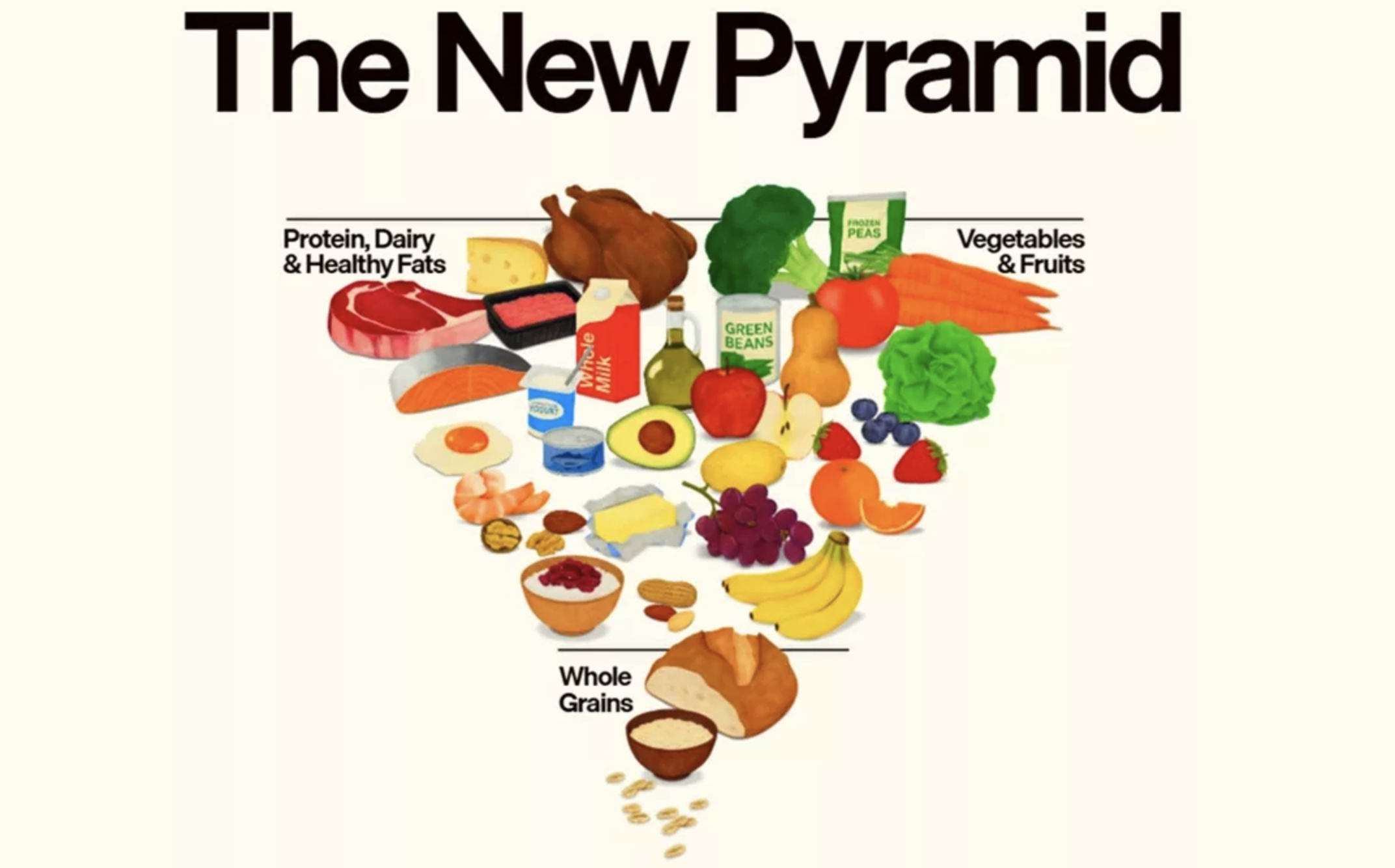
Providing Key Insights on the Pyramid to Memphians
Wednesday, 21 January 2026 - Mary Catherine Schallert and Dr. Richard Bloomer provided insight on the new federal dietary guidelines, emphasizing practical strategies, local challenges, and the importance of translating recommendations into accessible nutrition guidance for Memphis communities.
University of Memphis nutrition experts provided critical perspective on the recently released 2025–2030 Dietary Guidelines for Americans, offering guidance on how these recommendations intersect with local realities.
Mary Catherine Schallert, registered dietitian and Clinical Associate Professor at the College of Health and Human Sciences, emphasized that federal guidelines are intended as recommendations, not rigid rules. In the interview, she highlighted the importance of translating these guidelines into practical, accessible nutrition advice for communities like Memphis. “These guidelines shape school meals and federal food programs,” Schallert said. “But without policies that improve access and affordability, especially in communities like Memphis, the recommendations can feel hollow.” She also noted the need for clearer definitions of processed foods and alcohol consumption to avoid confusion and potential harm.
Richard J. Bloomer, Dean of the College of Health and Human Sciences, contributed context on the practical and economic implications of the new guidance. He underscored that while nutrient-dense diets have long prioritized lean proteins, vegetables, and minimally processed foods, the average consumer faces challenges in affordability and access. “If people doubled their protein intake the way these guidelines suggest, that can get expensive unless they’re very careful,” Bloomer said. He also emphasized that not all processed foods are unhealthy, pointing to items like canned chickpeas as examples of beneficial, convenient options.
Both Schallert and Bloomer emphasized that while the guidelines provide a framework, meaningful change requires considering local challenges like affordability, food access, and education.