
College of Health and Human Sciences
Mary Catherine Shallert Advocates for Nutrition Credentials Bill
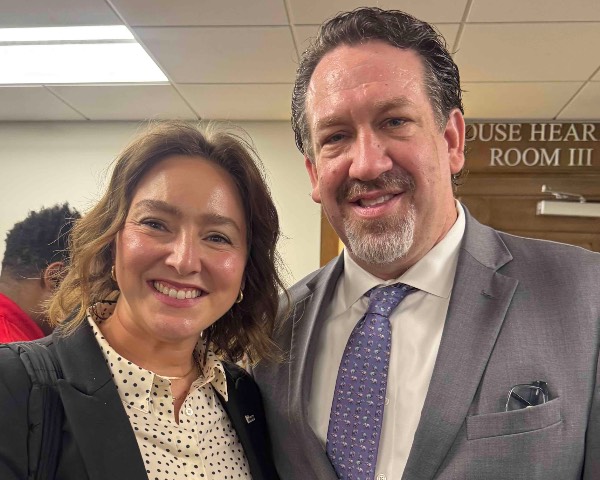
Sharing her expertise in the development of Tennessee laws and regulations
Tuesday, 24 March 2026 - Sharing her expertise in the development of Tennessee laws and regulations
Mary Catherine Shallert, Clinical Associate Professor at the University of Memphis College of Health and Human Sciences, represented the university in support of a bill requiring social media influencers to hold proper credentials before sharing nutrition advice, helping protect the public from misinformation.
Mary Catherine Shallert, Clinical Associate Professor at the University of Memphis College of Health and Human Sciences, represented the university and the Tennessee Nutrition Committee this week at the state capitol in support of HB2029 and SB2579, bills aimed at regulating nutrition advice shared by social media influencers.
The legislation requires that individuals offering nutrition guidance on social media hold proper credentials, helping ensure the public receives accurate and safe information.
Research shows that nearly half of influencer nutrition posts are inaccurate, particularly from accounts with large followings. Young, health-conscious social media users are especially vulnerable to trends like extreme diets, juice cleanses, or strict carnivore regimens.
Shallert testified before lawmakers about the impact of misleading health advice, explaining how unverified information can interact with medications or personal health conditions in dangerous ways. She emphasized that healthy eating is a long-term lifestyle change, not a quick fix promoted online.
The bills passed unanimously in the House Subcommittee, marking a significant step forward in promoting public health. Shallert noted, “If we can increase the number of qualified and licensed professionals in the state, maybe we can help to drown out some of the noise of the underqualified individuals who have a loud platform on social media”.
Through her advocacy, the College of Health and Human Sciences continues to support evidence-based health education and professional leadership in the state.