
Can Staying Digitally Connected Support a Healthier Brain as We Age?
NIH-funded UofM research will use a decade of national data to explore technology use, cognitive health and dementia risk among older adults living in rural communities

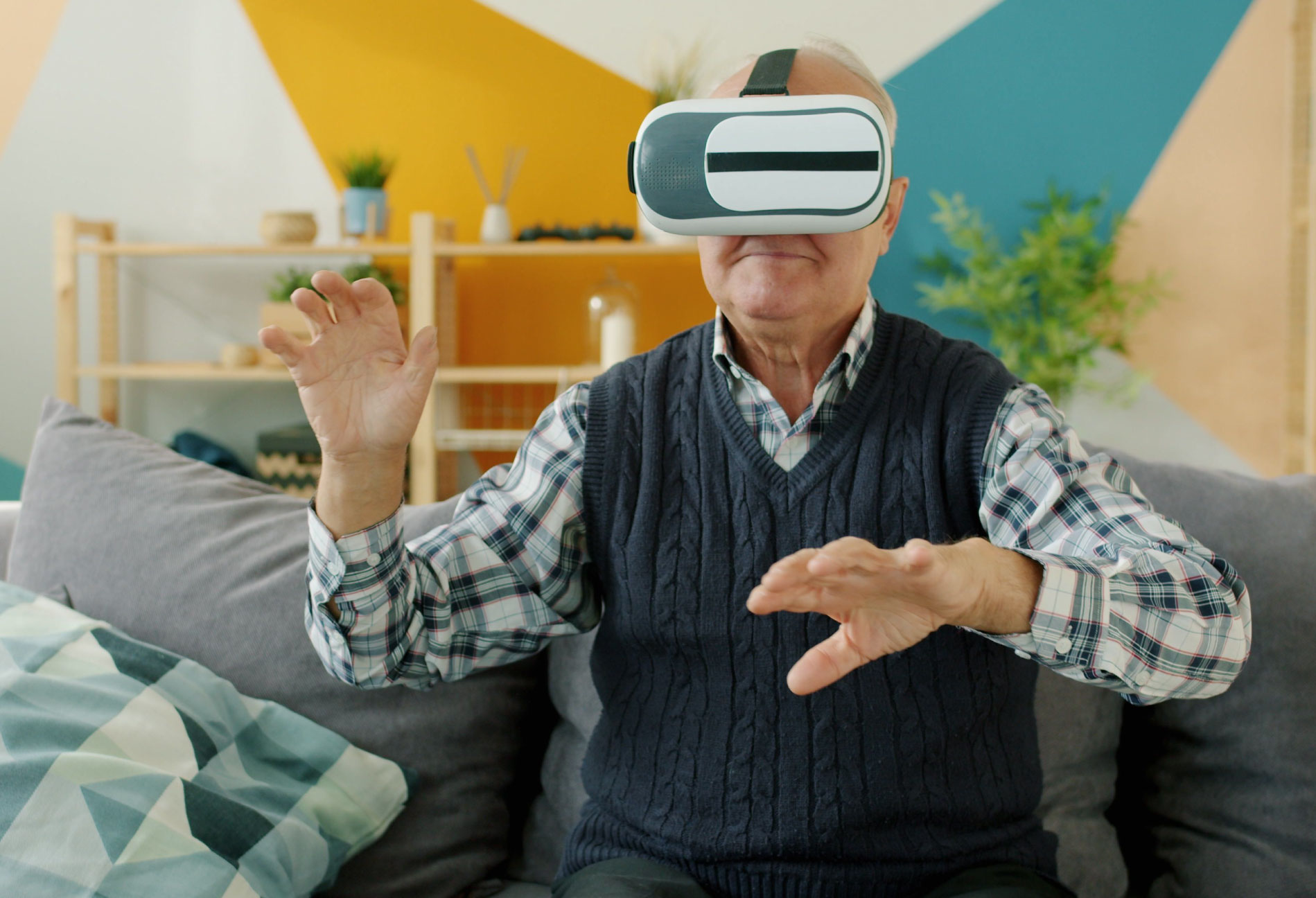
Smartphones, computers, and the internet have become everyday tools for staying connected, managing appointments, accessing health information and communicating with family and friends. For older adults, could those same technologies also play a role in maintaining cognitive health?
A new National Institutes of Health (NIH) R21 award will support University of Memphis research examining how the use of information and communication technologies over time may be associated with dementia risk among older adults living in rural communities.
The project, “The Impact of Cumulative Information and Communication Technology Use on Dementia Risk: A 10-Year Study of Rural Community-Dwelling Older Adults,” lead by Dr. Yong Yang, associate professor of Social and Behavioral Sciences, focuses on a population facing a unique combination of challenges. Rural older adults experience a higher burden of cognitive impairment and dementia while often having access to fewer health care resources and traveling greater distances to receive care. Digital technology has the potential to help bridge some of those gaps—but access and use are far from equal.
Looking at Technology Use Over Time
The research will examine 10 years of data from the National Health and Aging Trends Study, a national study of U.S. adults age 65 and older. Rather than simply asking whether someone uses technology at a single point in time, researchers will examine how those habits evolve as people age.
The study will look at technologies including smartphones, computers, the internet, social media and telehealth. Researchers want to better understand why some rural older adults consistently use these tools, why others begin using them later in life and why some reduce or stop their use over time. That distinction is important because access to technology is influenced by much more than an individual's willingness to use it.
Personal factors such as age, education, health and disability may affect technology use. But where someone lives matters, too. Broadband availability, affordability, transportation, neighborhood resources, and social support can all influence whether an older adult has access to digital tools—and whether those tools are practical to use.
By examining personal and community factors together, the project could provide a more complete picture of the digital divide facing older adults in rural America.
Could Digital Engagement Help Protect Cognitive Health?
A second part of the study will explore whether long-term, sustained use of digital technology is associated with a lower risk of developing dementia. Researchers have several reasons to investigate the connection.
Using digital technology can require people to learn new information, solve problems, and remain mentally active. It can also help older adults maintain relationships with family and friends, participate in social activities, access health care through telehealth, manage their health and connect with resources that might otherwise be difficult to reach.
Together, those activities could potentially support cognitive health by encouraging mental engagement, strengthening social connections, reducing isolation and supporting healthier behaviors. But the relationship is complicated.
Technology use may influence cognitive health, but cognitive health may also influence technology use. An older adult experiencing cognitive decline, for example, may find it increasingly difficult to navigate a smartphone, computer or online service and therefore begin using technology less frequently.
That is one reason the project's 10-year perspective is particularly valuable. Following patterns over an extended period can help researchers better understand how changes in technology use and cognitive health relate to one another rather than drawing conclusions from a snapshot at a single point in time.
Addressing the Rural Digital Divide
The study is ultimately about more than determining whether technology use and dementia risk are connected. Its broader goal is to identify practical opportunities to support healthier aging in rural communities. For an older adult living miles away from the nearest medical provider, reliable internet service and the ability to comfortably use digital tools can affect much more than convenience. It can influence access to telehealth, health information, social connections and other resources that may help someone remain independent.
Yet many rural communities continue to face barriers including limited broadband infrastructure, the cost of internet service and devices, and fewer opportunities to develop the digital skills needed to confidently use online resources.
Findings from the project could help inform efforts to expand broadband access, improve affordability, strengthen digital literacy, and design telehealth and other online services that are easier for older adults to navigate. The research could also help identify which older adults and communities are most likely to experience barriers, allowing future programs and resources to be more effectively targeted.
Technology as One Piece of Healthy Aging
As the U.S. population ages and digital technology becomes increasingly integrated into health care and everyday life, understanding who benefits—and who risks being left behind—is becoming more important. For rural older adults, better digital access could provide another tool for staying socially connected, accessing health and community resources, maintaining independence and aging in place.
This NIH-supported research will help determine whether sustained digital engagement may also have a connection to cognitive health and dementia risk. Ultimately, the findings could provide evidence for developing technology and community-based strategies that make digital resources more accessible while helping older adults remain connected, independent and cognitively healthy as they age.
For more information, contact Yang at yyang15@memphis.edu.