
Brandy Bonnah Swati
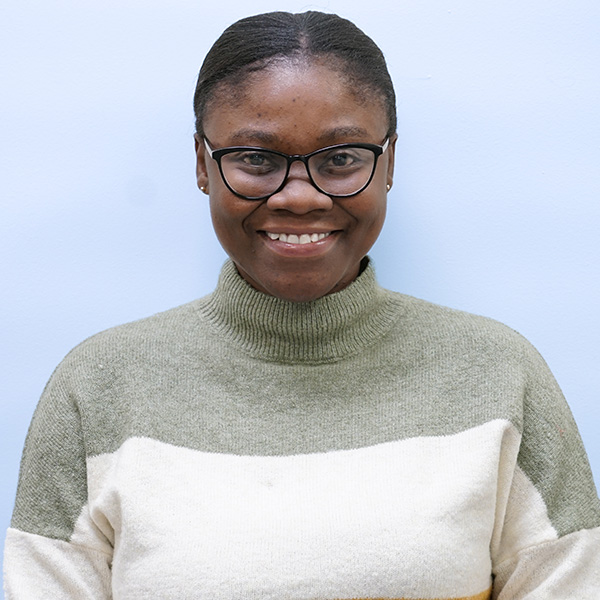
PH CARES Changemakers
SPH Student, MPH CandidateYouth Sexual Health and Digital Empowerment
Abstract
Background: Memphis currently confronts a significant public health crisis, characterized by disproportionately high and rising rates of HIV and sexually transmitted infections (STIs), especially within the youth population aged 18–25. Shelby County recorded a 40% increase in HIV cases from 2018 to 2023. This heightened vulnerability stems from intersecting barriers, including prevalent social stigma, inadequate sexual health education, and limited access to youth-friendly prevention services; youth often receive misinformation from peers or social media.
Methodology: This project proposes an innovative and peer-led strategy to effectively handle these challenges. To start with, a need assessment survey will be conducted by involving representatives from community partners, followed by a peer-led workshop at the University of Memphis graduate school and some youth centers in Memphis, where crucial topics such as HIV/STI prevention, PrEP/PEP access, safe sex negotiation, and consent will be addressed. The second prong is a youth-driven digital campaign and social media outreach, like TikTok and Instagram, to share evidence-based, educational content and provide direct links to prevention services.
Results: Delivering about 3 workshops, this project relies on key community partnerships, such as Friends For All. Success will be measured by several indicators, including improved knowledge and attitudes test presented by pre- and post-surveys, increased behavioral outcomes (such as HIV/STI testing and PrEP interest), and digital engagement targeting 40,000 social media users. Tangible outcomes include reaching at least 400 youth directly by trained student leaders and strengthening links to prevention services.
Conclusion: By integrating peer education with digital outreach, this project offers a sustainable, youth-driven approach to reducing stigma and promoting informed sexual health decision-making among the youth.