
2025 Fall - Middle School
Highlights
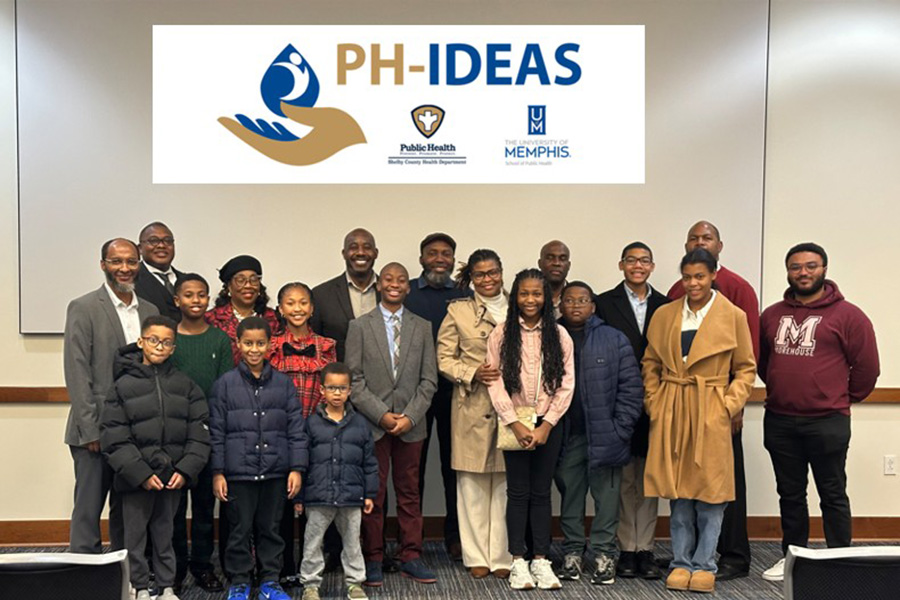
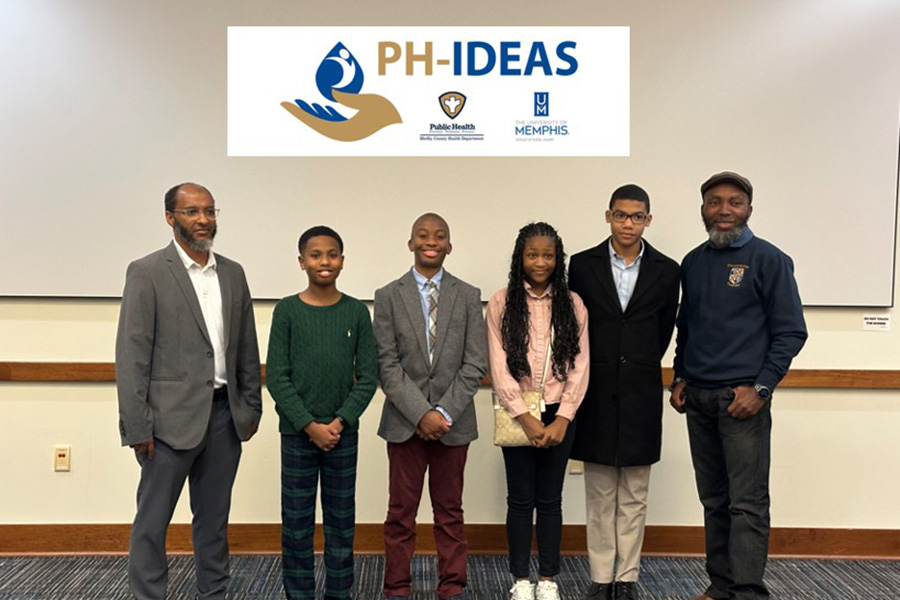
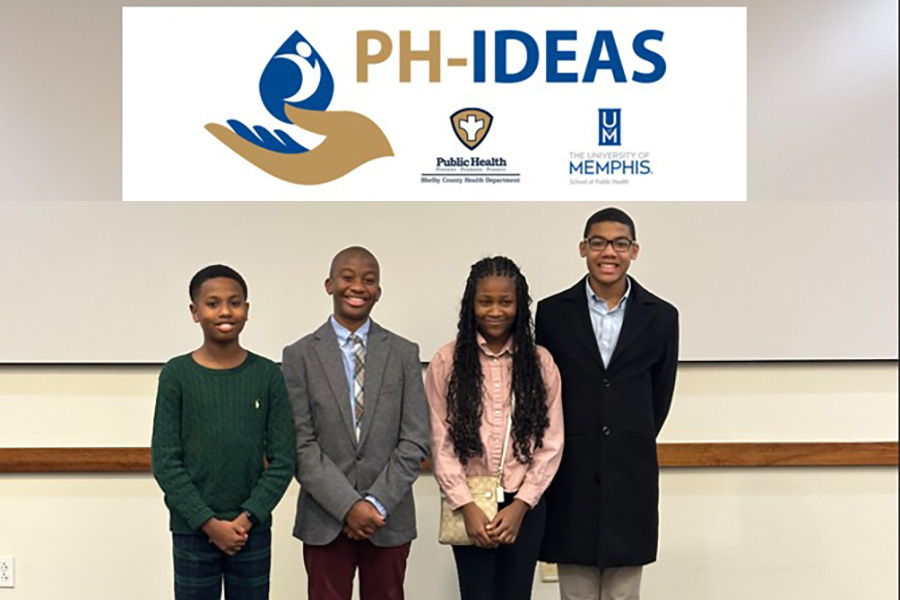
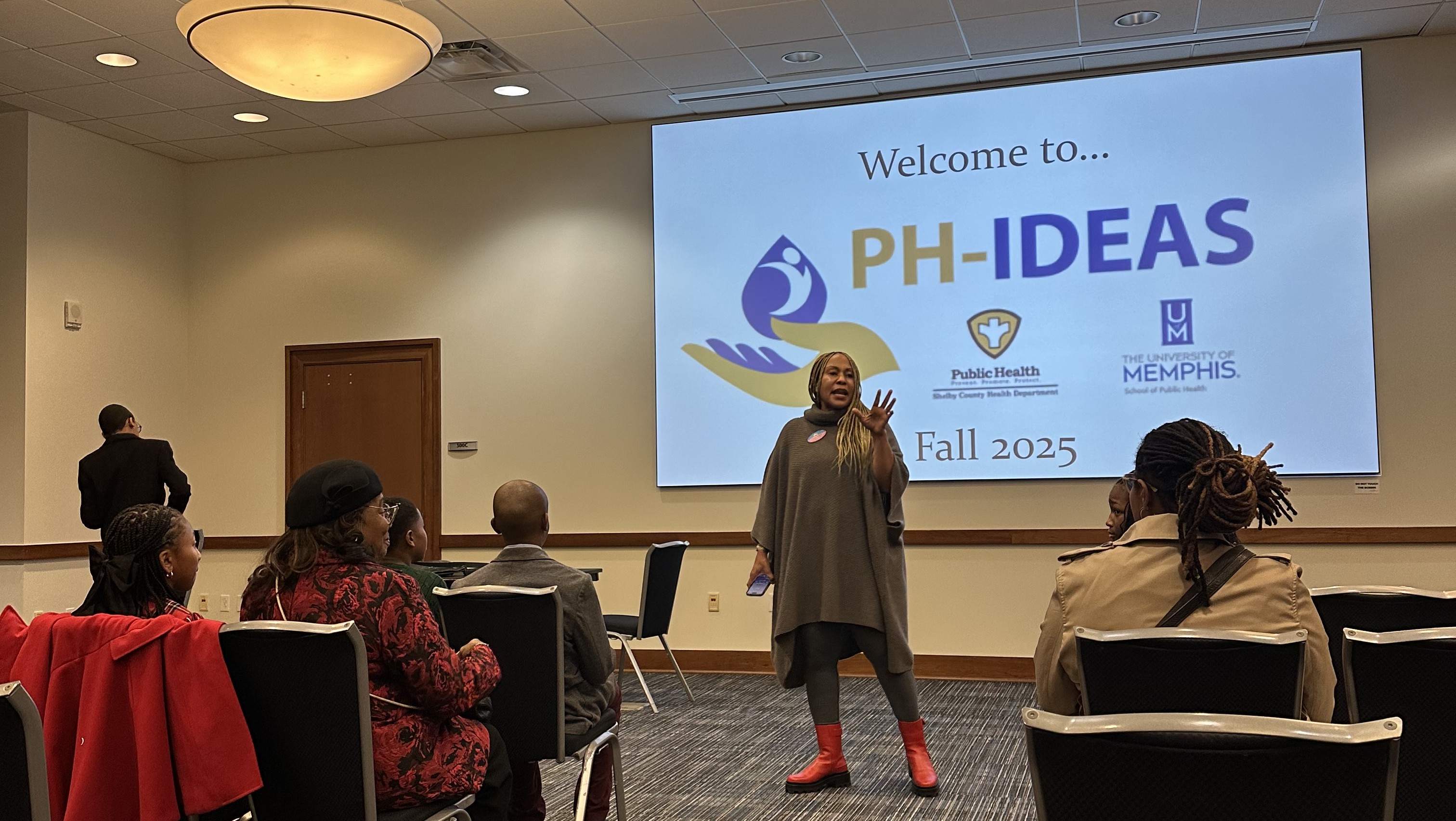
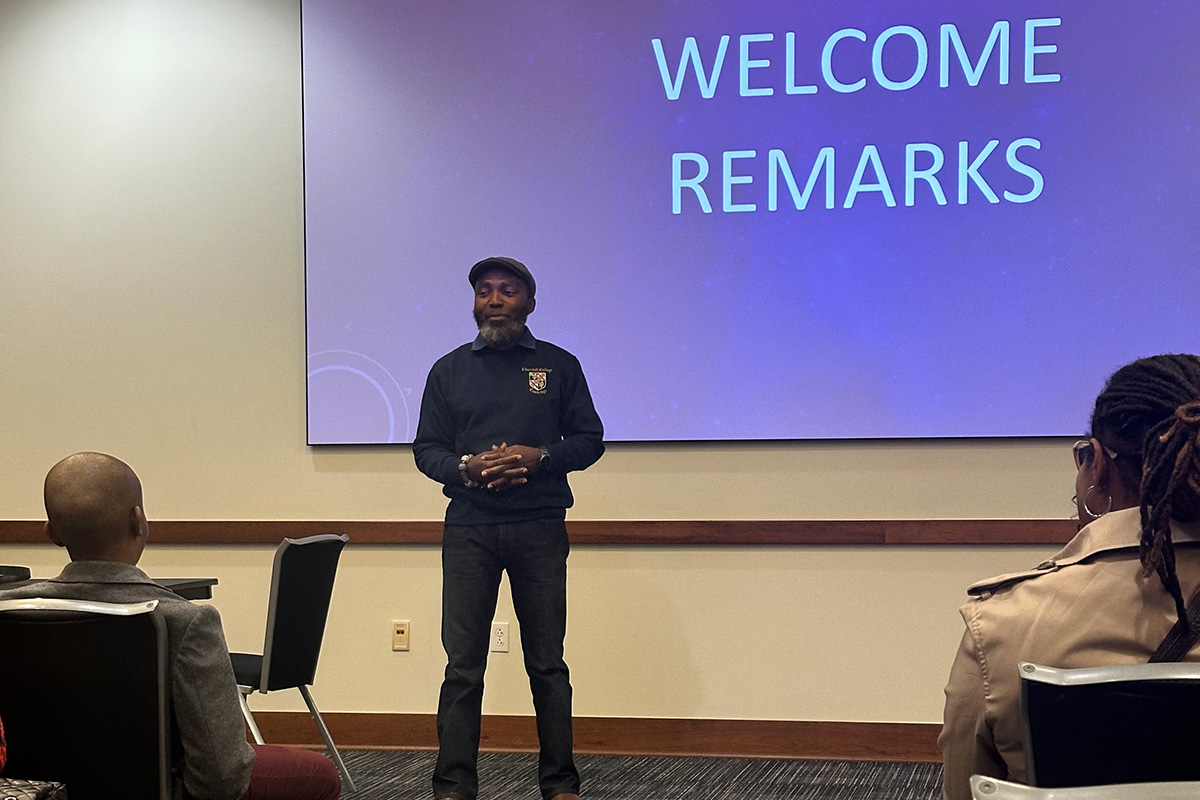
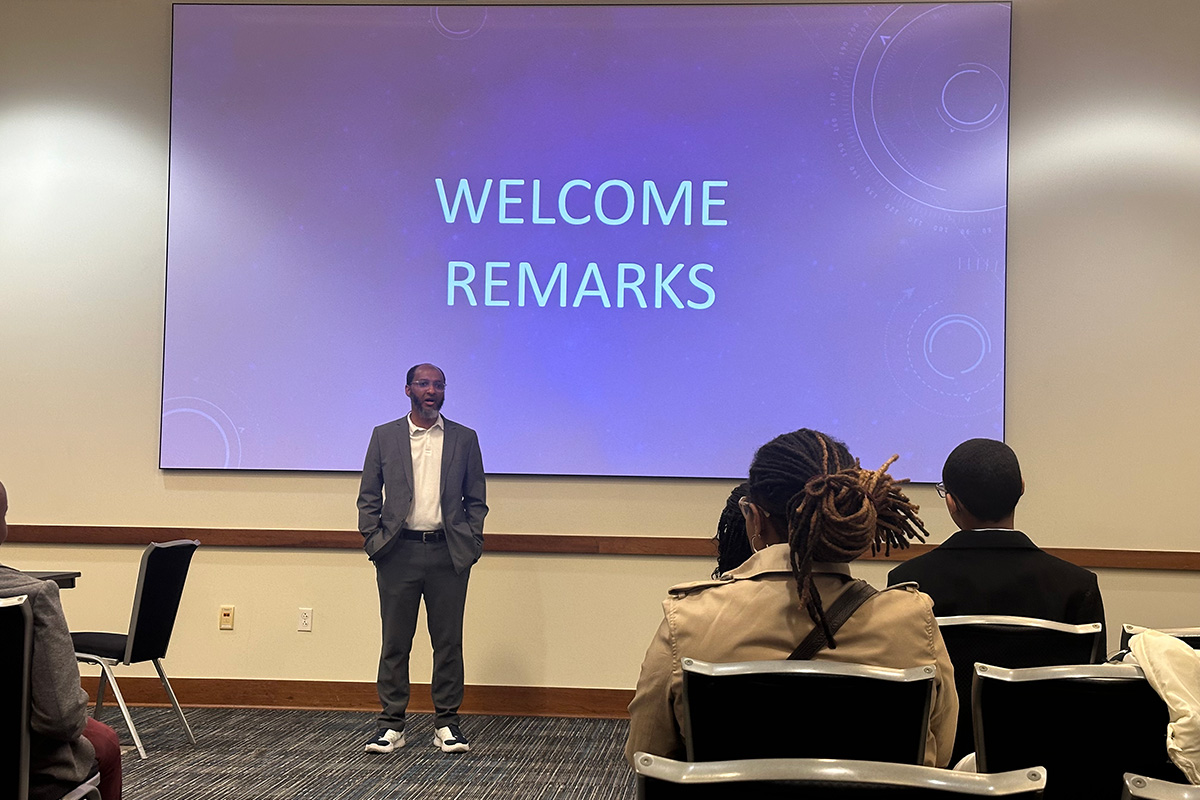
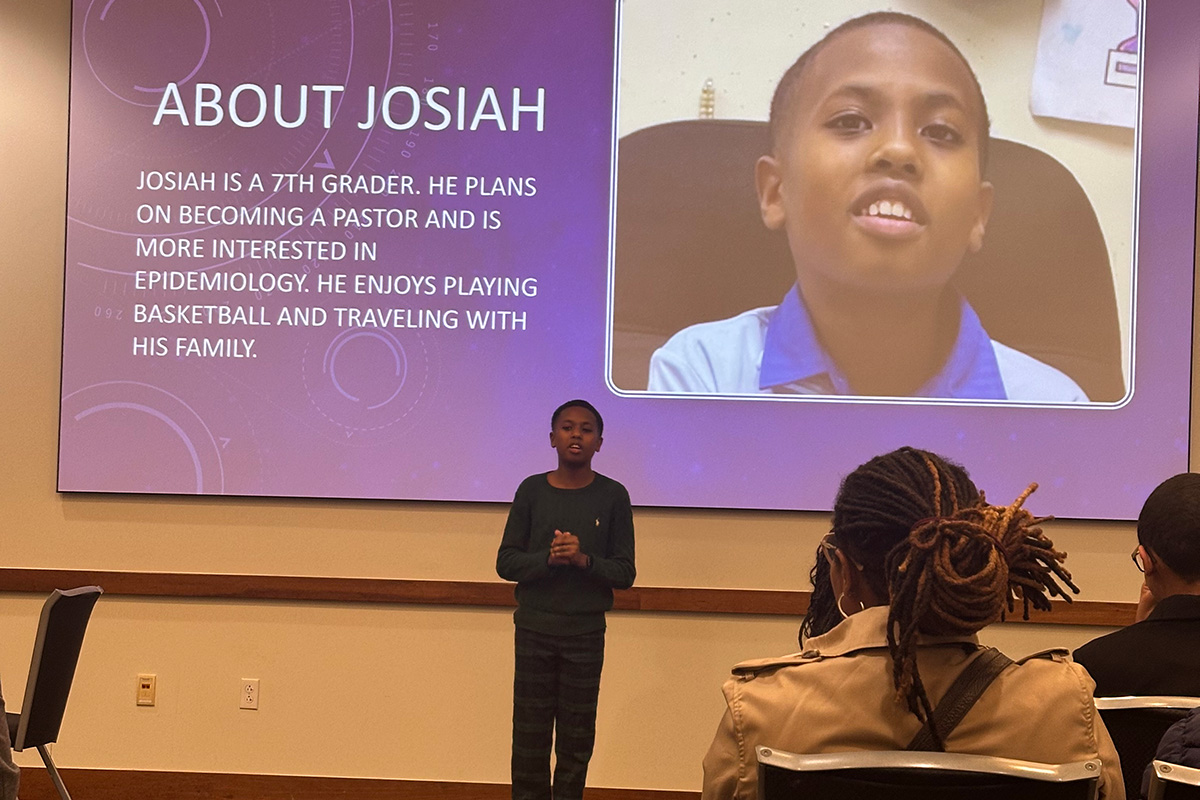
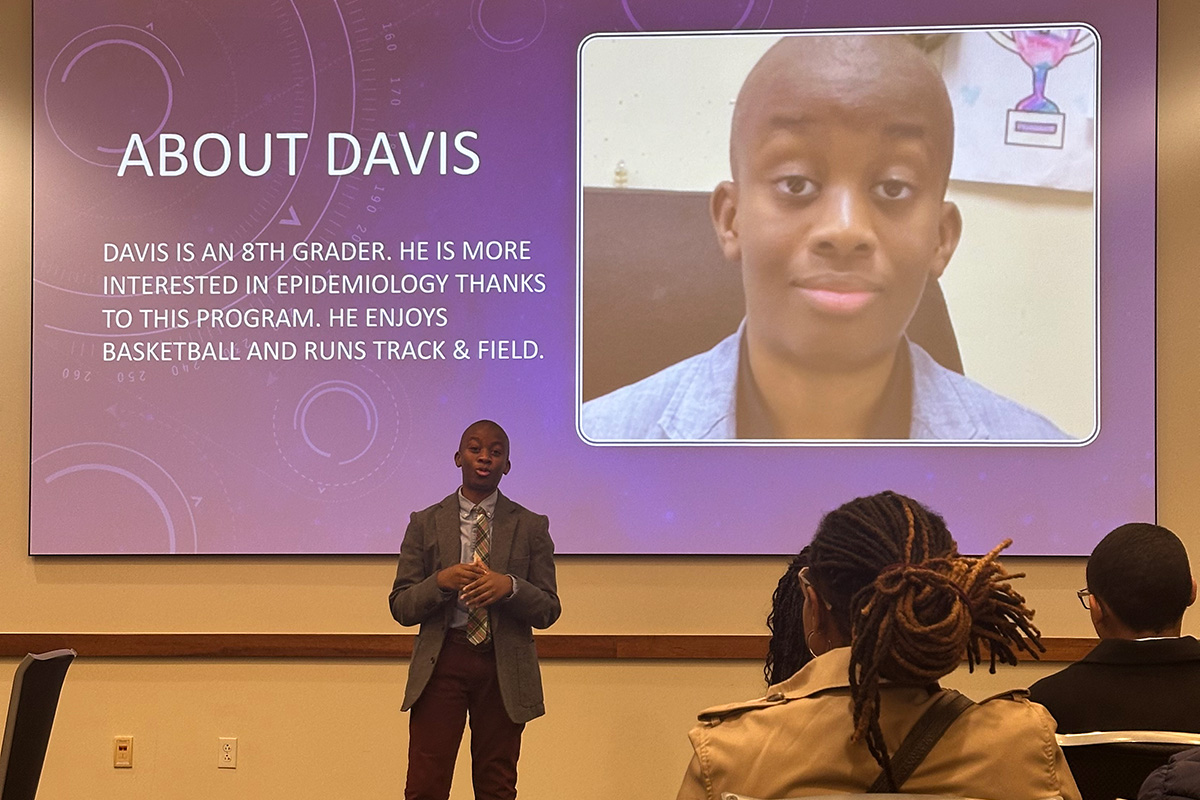
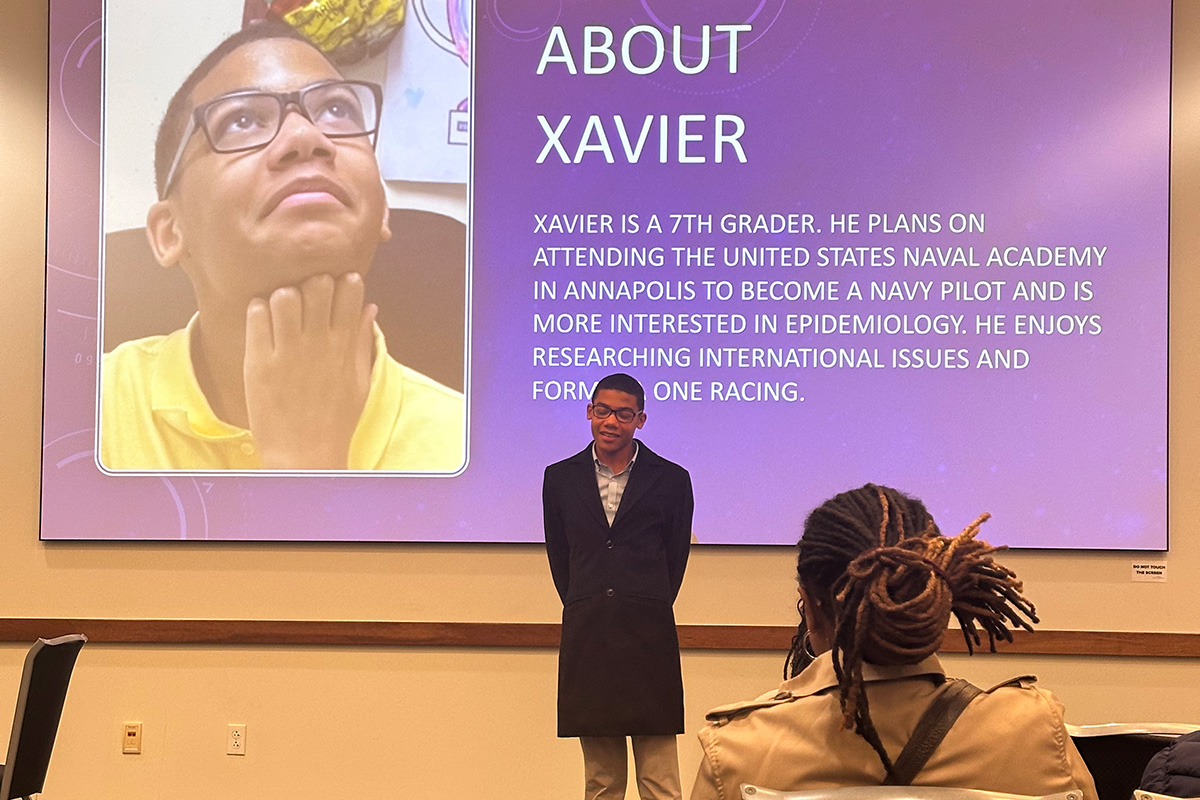
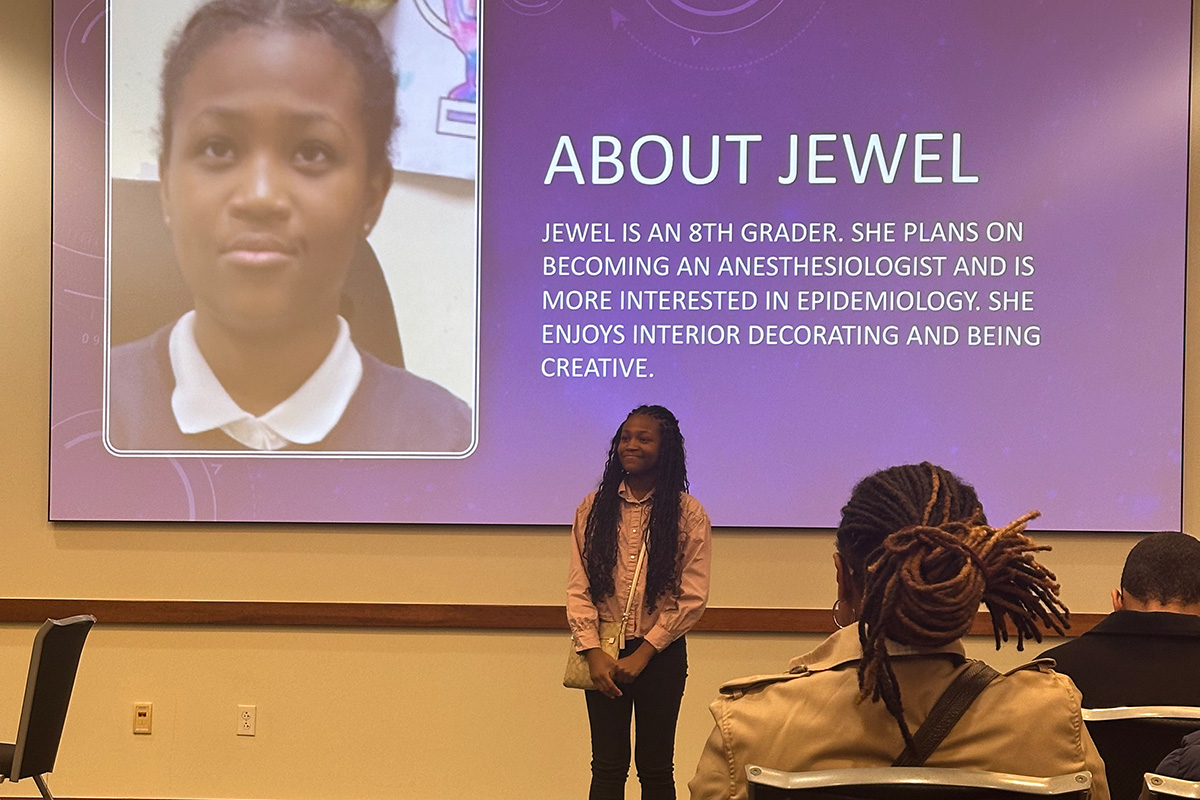
For the Fall 2025 Experiential Learning Program, middle school students completed a 27-hour math and physics enrichment program designed to build foundational skills through hands-on, interactive learning. The math curriculum covered essential areas including foundational concepts, linear and nonlinear relationships, rational expressions, statistics, probability, and geometry. In physics, students explored motion and forces, non-contact interactions, energy, and waves. Throughout the program, they also contributed to a short documentary that highlighted their weekly activities and learning, which was presented at the closing event on December 7, 2025. The program is designed to provide students with 27 hours of focused instruction aimed at strengthening their understanding of key mathematics and physics concepts. Throughout the program, students engage in hands-on, experiential activities that reinforce each learning outcome and support meaningful skill development.
Output
Mathematics
Students built a strong foundation in mathematics by learning about sets, the real number system, and proportional reasoning. They practiced converting between fractions, decimals, and percents and applied these skills to real-world problems.
They developed algebraic thinking by solving equations and inequalities, graphing linear relationships, interpreting slope and intercepts, and writing equations from verbal descriptions. Students also solved systems of linear equations using graphing, substitution, and elimination.
Next, they explored nonlinear relationships, including recognizing nonlinear functions,
factoring, and solving quadratic equations using multiple methods. They worked with
radicals and exponential equations, gaining an understanding of growth and decay.
Students then expanded into rational expressions—simplifying them, performing operations,
and solving rational equations while identifying domain restrictions.
In statistics and probability, students analyzed data using measures of central tendency and variability, explored probability concepts, and interpreted data through graphs and plots.
Finally, students applied geometric reasoning to angles, polygons, circles, and three-dimensional figures. They calculated perimeter, area, surface area, and volume while connecting geometry to real-world applications.
Physics
Students explored core physical science concepts through hands‑on activities and data‑driven investigations. They began by studying motion and forces, learning to describe how objects move and identifying everyday forces that influence motion. Students discovered how changes in motion are directly related to the forces acting on an object.
They then examined non‑contact interactions, analyzing gravitational and electromagnetic forces to understand the factors that affect their strength. Students also learned how these forces act across distances through fields.
In the study of energy, students explored kinetic and potential energy, investigated how energy is transferred and transformed, and applied the principle of conservation of energy to predict system behavior.
The program concluded with waves, where students learned what waves are, identified key wave properties, and compared sound and electromagnetic waves across the electromagnetic spectrum. They also examined practical applications of waves in technology and everyday life.
Looking for a specific project?
See when the latest activities were hosted below:
Experiential Learning Program
Population Health Data Analytics Program
- 2025 Summer
- 2024 Summer