
Engineering Research | University of Memphis
IMPACTING ANEVER-CHANGING WORLD
Research that reaches beyond the classroom.
Herff students don't just work on computers and chalkboards. They get involved in our community and shape the world around us.

At the Herff College of Engineering at the University of Memphis, research drives innovation and real-world impact. As part of a Carnegie R1 research university, our faculty and staff are engaged in a variety of research centers and institutes, many of which focus on interdisciplinary projects that address critical challenges in the Mid-South and across the nation.
Change the world at Herff's research centers and institutes
Take a deep dive into our researchThe Center for Applied Earth Science and Engineering Research (CAESER) is a multidisciplinary research center based at the University of Memphis where we work with public, private and government partners in both natural and populated environments.
The Center for Earthquake Research and Information (CERI) keeps a close eye on areas with high quake activity throughout the world, using the most advanced technologies available. Herff faculty collaborate with CERI addresses critical needs for our region, nation and the world through cutting-edge research, comprehensive graduate student education, operation of state-of-the-art seismic and GPS networks and dissemination of technical and practical information to the private and public sectors.
The Center for Information Assurance (CfIA) is a nationally-designated Center of Academic Excellence in Cyber Defense Education and Research (CAE-CDE, CAE-R) by the NSA/DHS (National Security Agency/ Department of Homeland Security) and has received millions of dollars in research and education funds. Research areas include: Negative Authentication, Adaption Multi-Factor Authentication, Smart-Grid Security, Game Theory and Cyber Security (GTCS). The center provides student-centered research environment where both undergraduates and postgraduates get to work on federal-funded projects. Although not a Herff center, CfIA involves collaborations with our faculty.
Center for Innovative Research in Bridge Engineering (CIRBE) addresses issues affecting the design, analysis and operation of bridge structures. CIRBE conducts innovative and applied research to design resilient and long-lasting bridges. They perform research, education and technology transfer activities related to seismic and environmental hazard mitigation and increased durability of bridges.
The Center for Transportation Innovation, Education, and Research (C-TIER) mission is to address critical issues affecting the planning, design, operation, safety and equity of the nation's multimodal transportation system in order to increase our nation's economic competitiveness and reduce economic, racial and gender inequality.
Computational Research on Materials Institute at University of Memphis (CROMIUM) fosters computational research, research training, and education at both the graduate and undergraduate levels across the UofM. CROMIUM actively encourages and facilitates interdisciplinary collaborations with researchers on and off campus. Although not a Herff center, CROMIUM involves collaborations with our faculty.
Southeast Transportation Workforce Center (SETWC) is one of four regional centers comprising the National Network for the Transportation Workforce (NNTW), a collaborative of university-based research centers that seeks to connect, empower, and advance the 21st century transportation workforce through targeted research, education and industry engagement.
Institute for Intelligent Systems (IIS) is an interdisciplinary enterprise comprised of researchers and students from the fields of computer science, mathematics, cognitive psychology, physics, neuroscience, education, linguistics, philosophy, anthropology, engineering, and business. IIS projects are divided based on field of research—learning, language and artificial intelligence.
The Institute of Nanomaterials Development and Innovation at the University of Memphis (INDIUM) promotes the development and innovation in the research of nanomaterials. INDIUM facilitates interdisciplinary research and education in nanoscale science and engineering, focusing on designing nanomaterials and nanodevices for biomedical applications.
The Intermodal Freight Transportation Institute (IFTI) addresses critical issues affecting the planning, design and operation of the nation's intermodal freight transportation systems. IFTI offers an administrative home for a wide range of multidisciplinary research and curricular initiatives as well as public-private partnership endeavors collectively designed to provide national leadership on issues related to intermodal freight transportation.
- Access to graduate-level labs and research equipment
- Collaboration with faculty, professional engineers, and student peers
- Opportunities to work on interdisciplinary projects with real-world applications
- Preparation for careers in engineering, innovation, and technology leadership
At Herff College of Engineering, research is more than a classroom experience—it’s a pathway to innovation, discovery, and the skills needed to shape the future.
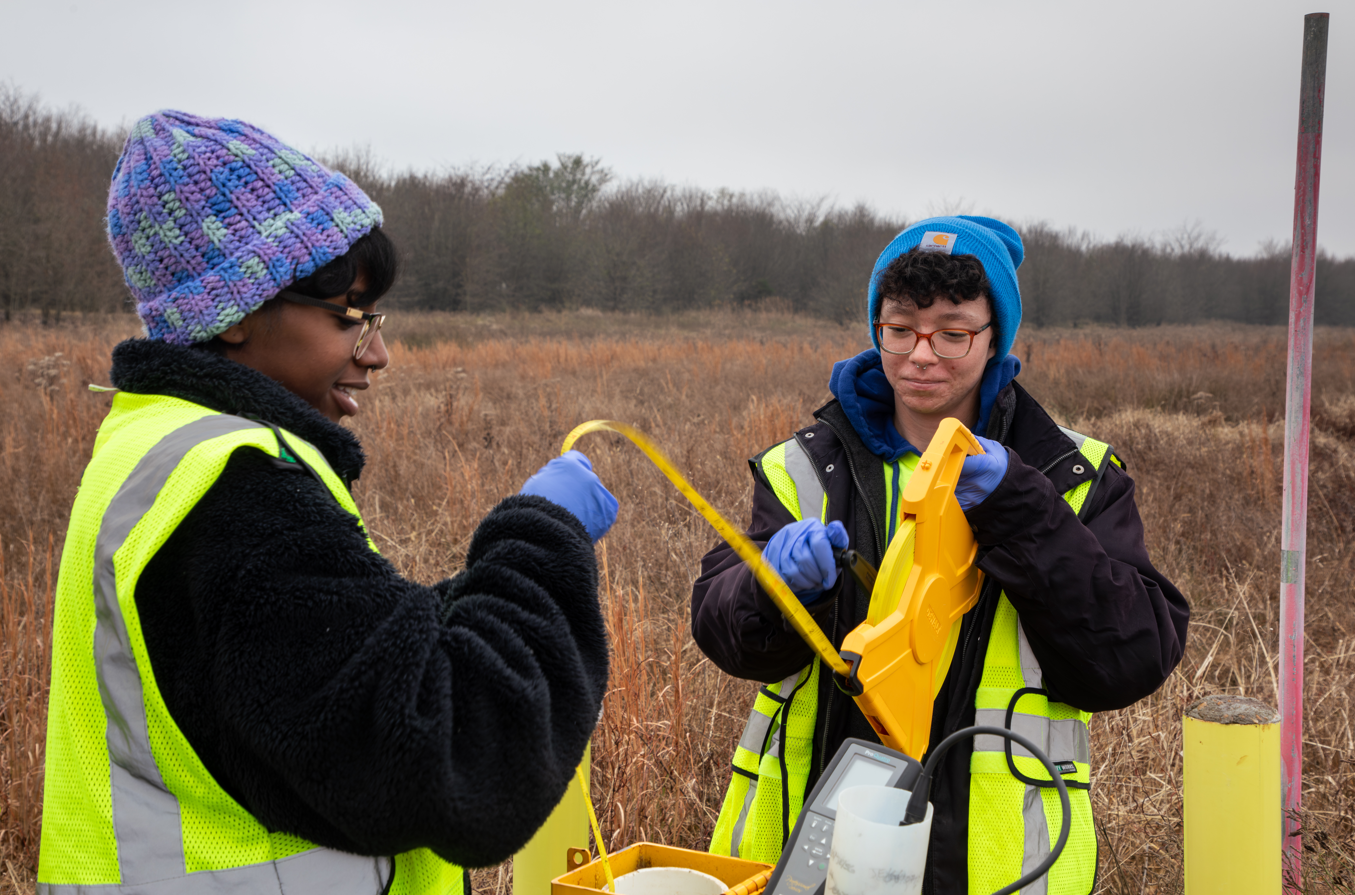
Students get hands-on research opportunities at the University of Memphis Herff College of Engineering
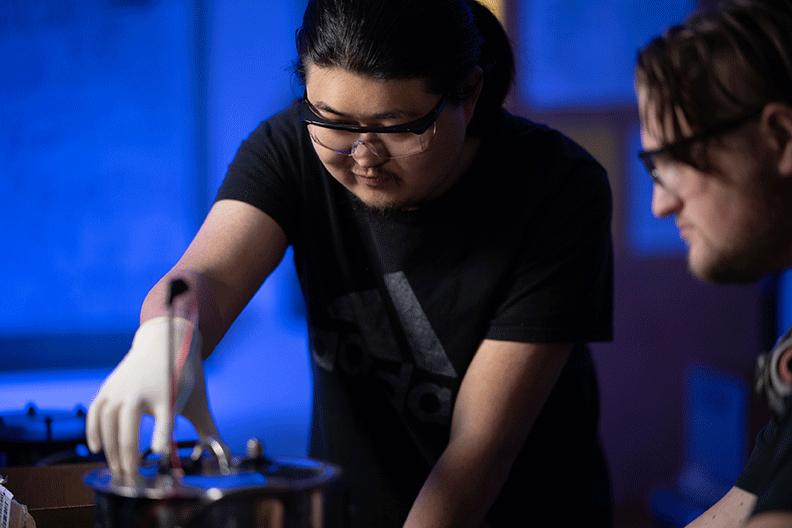
Herff College offers a truly hands-on environment where undergraduate students have unprecedented access to graduate-level labs and cutting-edge research projects. Students collaborate with faculty, engineers, mentors and peers on design and innovation projects that develop technical expertise and problem-solving skills.
Our approach ensures students gain more lab access, more project experience and more opportunities to learn and grow—preparing them to contribute meaningfully to engineering fields upon graduation. By working directly on impactful research, Herff students participate in efforts that advance technology, improve industry practices, and address real-world engineering challenges.
As a senior undergraduate student, Alexandra Snyder received the highly competitive NSF Graduate Research Fellowship (GRFP), which will allow her to continue her groundbreaking biomedical engineering research while pursuing her PhD.
Herff College of Engineering Departmental Research
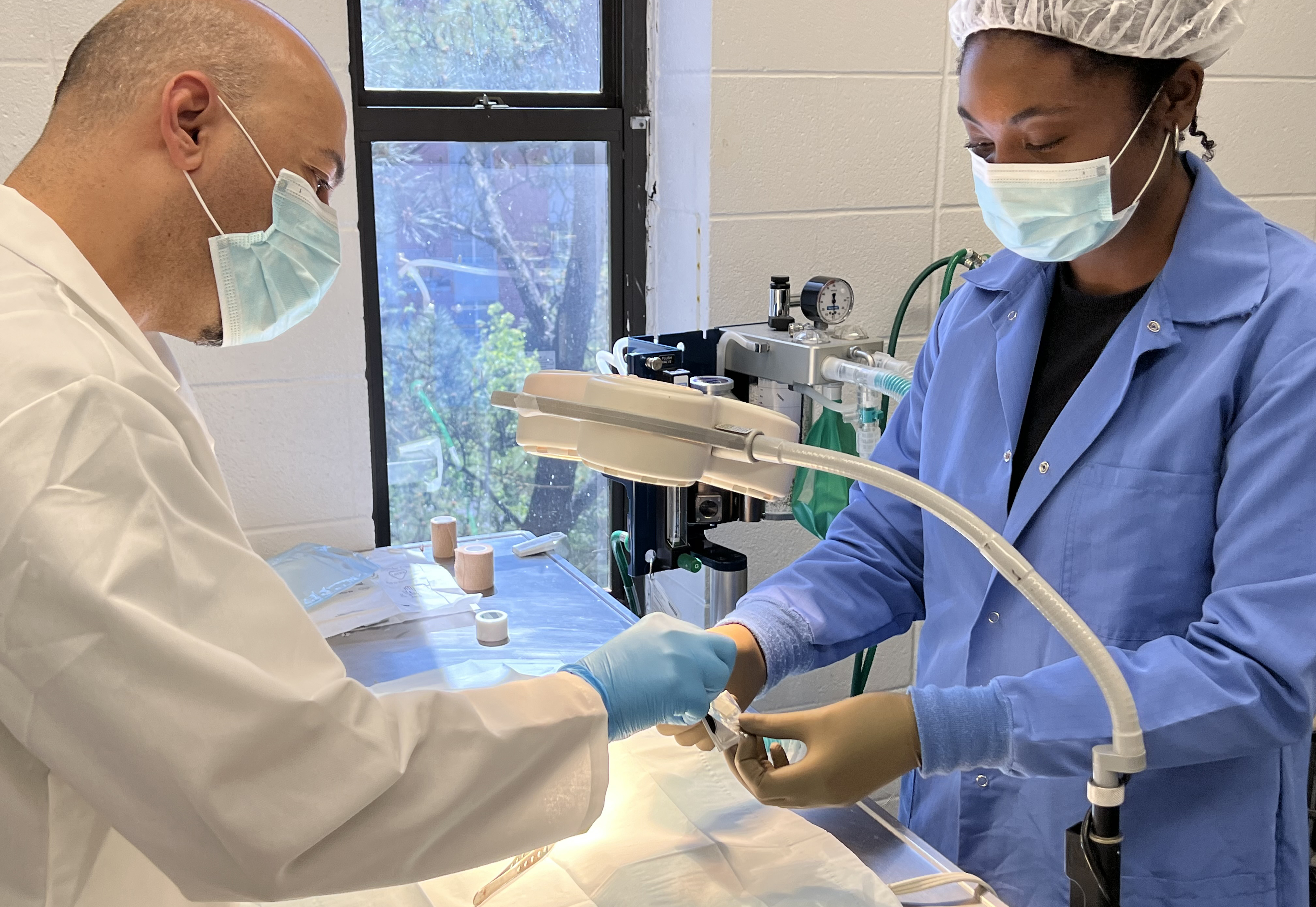
Biomedical Engineering Research
4-nationally and internationally recognized faculty contributing to science and engineering
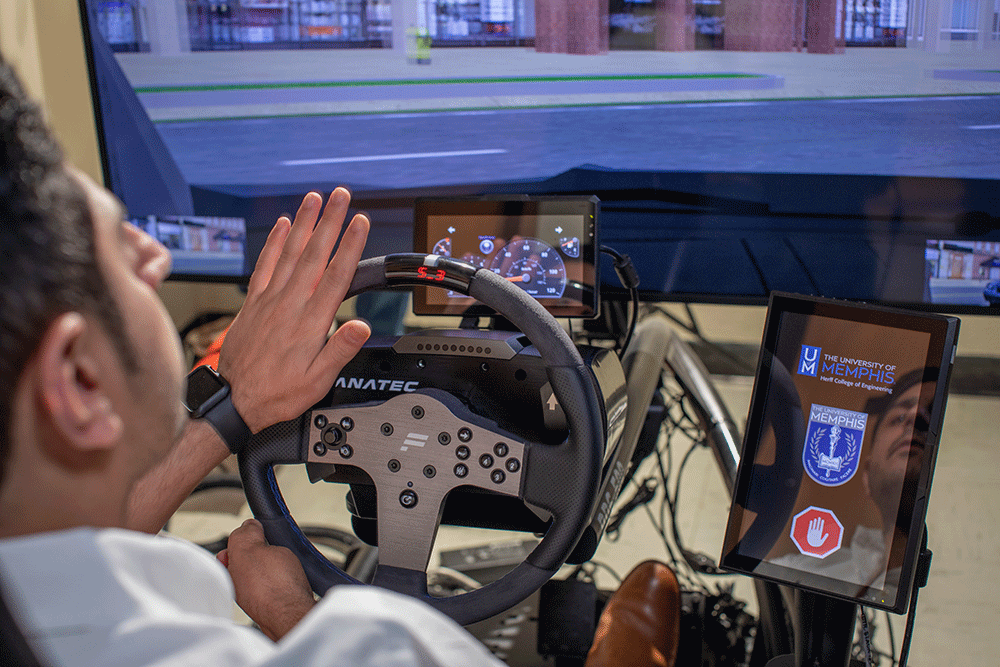
Research intensive department with
the largest research expenditure and
graduate program at Herff Engineering

The Polytechnic@UofM offers several degree areas, from construction management to applied AI. These skills help working professionals and non-traditional students acquire the skillset they need to advance their careers and their lives.
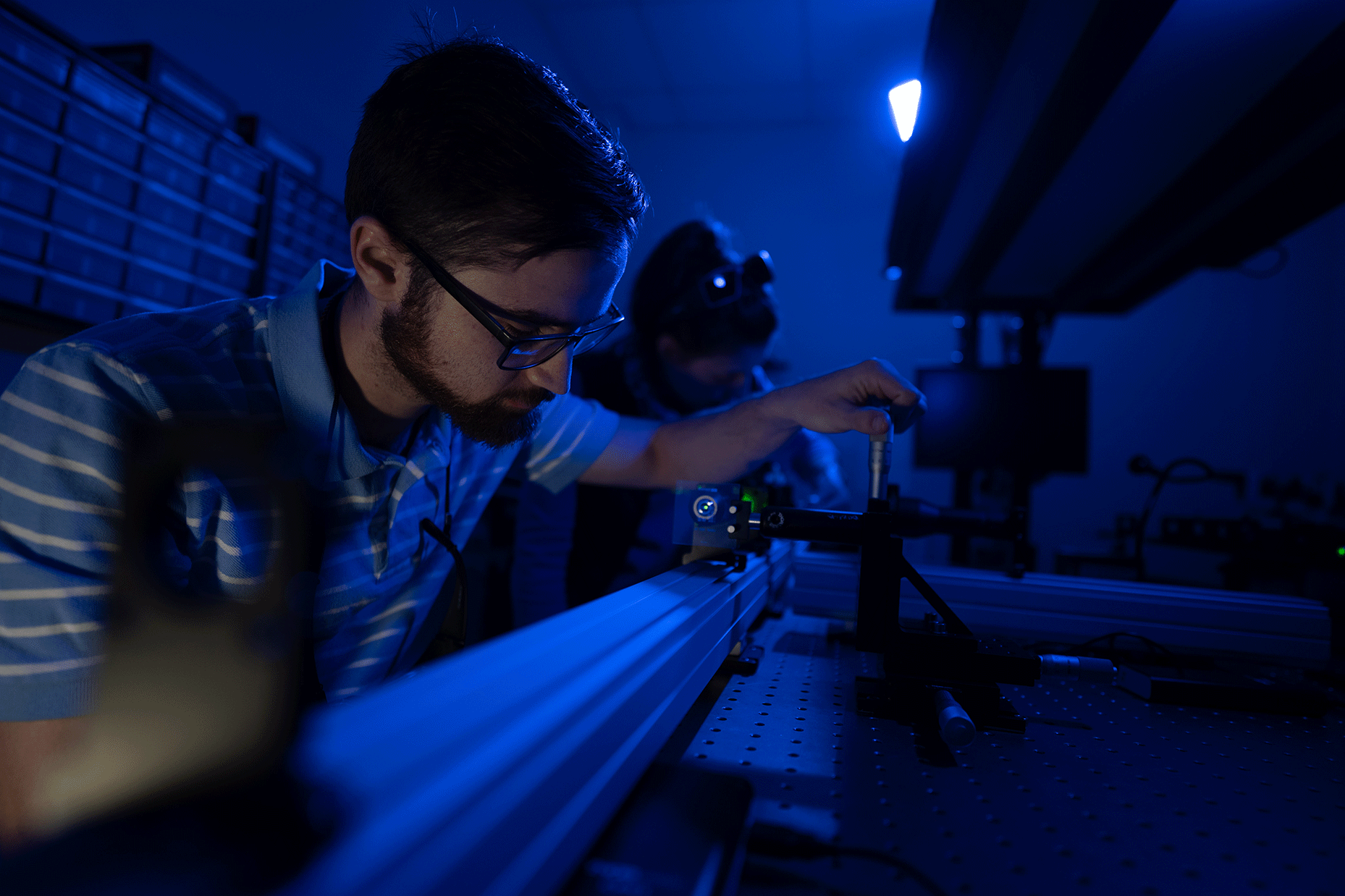
Electrical & Computer Engineering Research
Strongly interdisciplinary, with a focus on research in electrical, biomedical and intelligent information systems
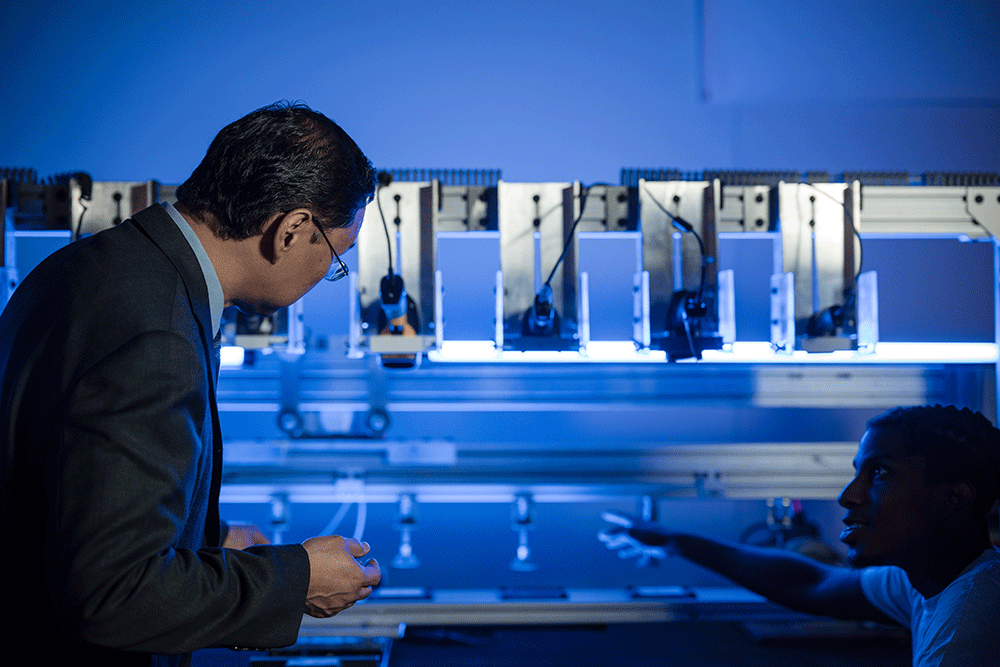
Engineering Technology Research
Focused on applied research,
working with other departments
and industry
Mechanical Engineering Research
Active research program with grad study and research focused on thermo/fluid and applied mechanics/materials
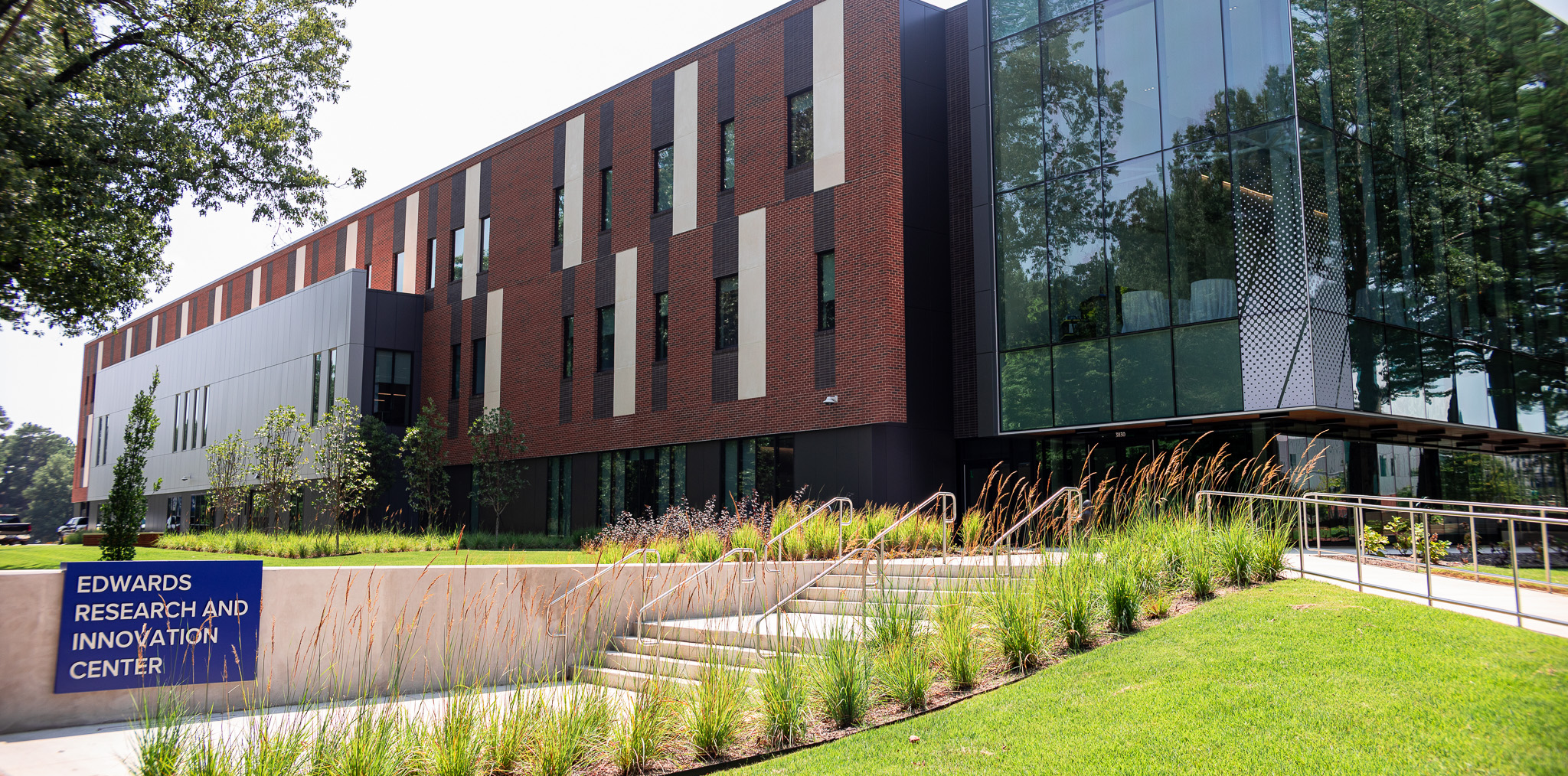
THE FUTURE OF STEM
Explore the cutting-edge research happening at the Edwards Research and Innovation Center at the Herff College of Engineering.
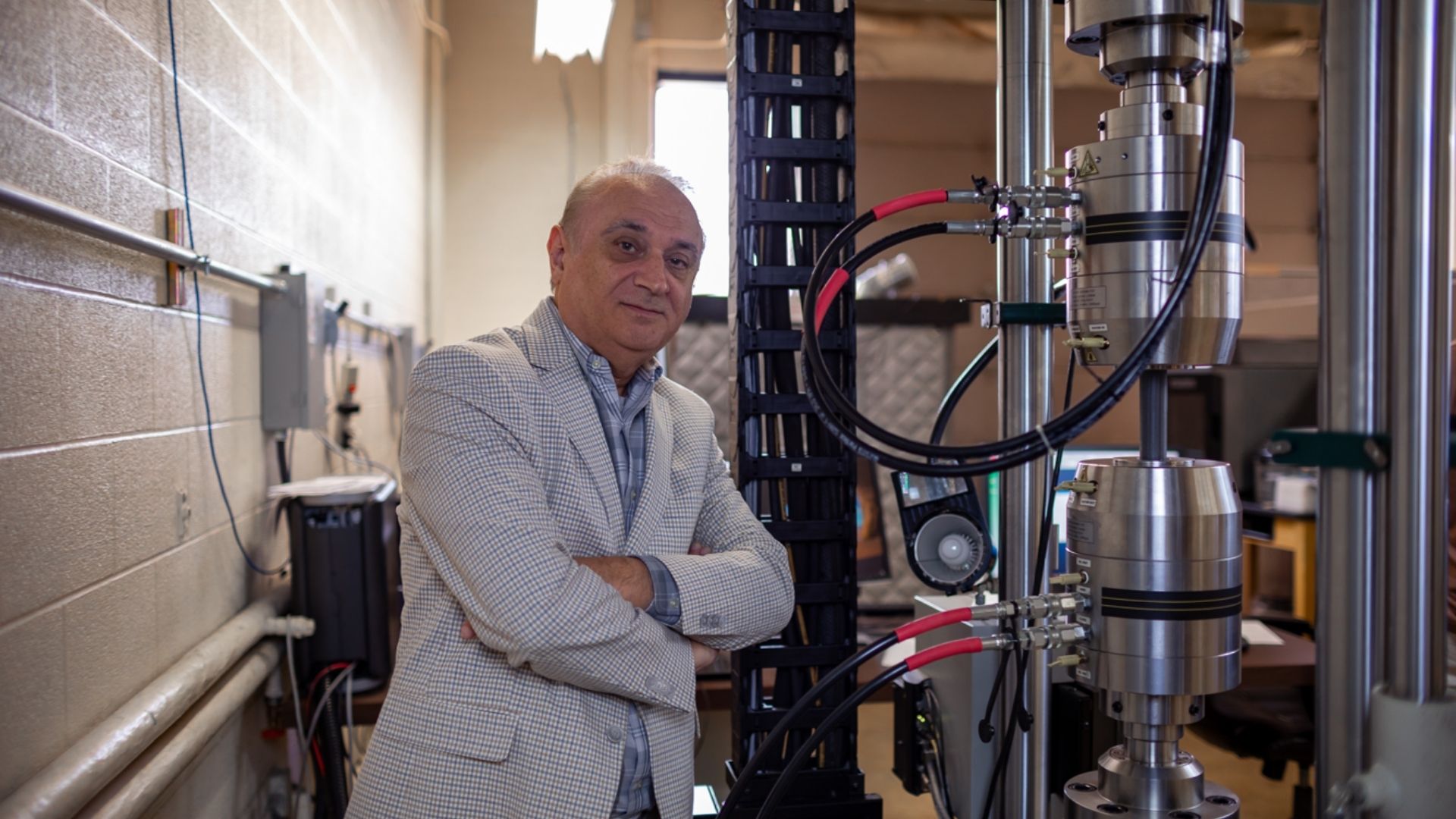
University of Memphis represented on international stage at 14th International Fatigue Congress
When the 14th International Fatigue Congress (IFC14) kicked off on June 28 in Funchal, Madeira, Portugal, one of the first voices attendees heard was from the University of Memphis (UofM).
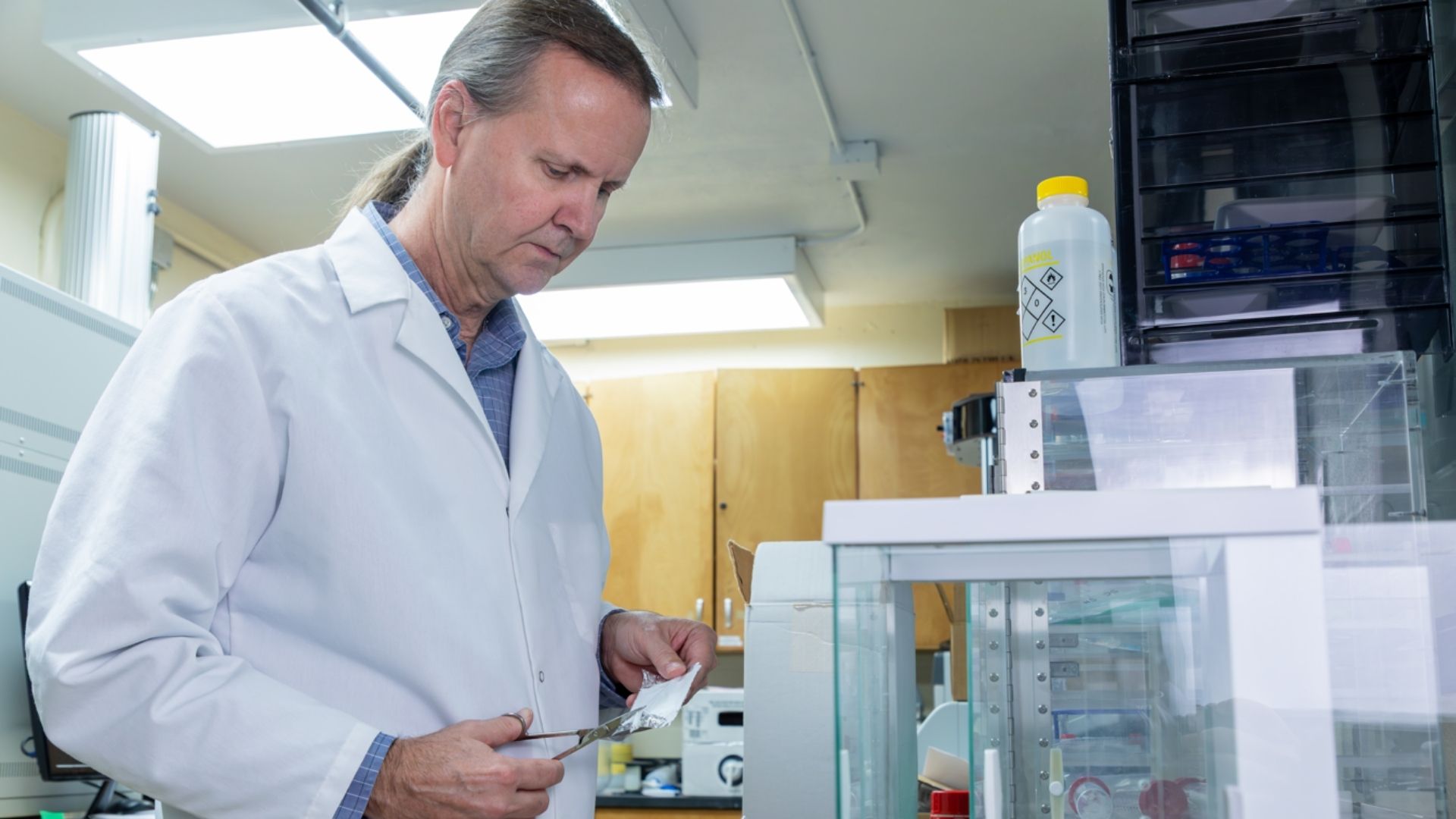
The importance of ignorance in engineering research
If you find yourself in an engineering lab feeling inadequate or even stupid, there's good news. Dr. Gary Bowlin, chair of Herff's Department of Biomedical Engineering, says you're exactly where you need to be to succeed.

How the Polytechnic@UofM is leading Tennessee's AI revolution
If the University of Memphis is Tennessee’s AI University, as University of Memphis Provost Dr. David J. Russomanno told conference attendees from around the country at the American Society of Engineering Education Southeastern conference held at the University of Memphis in March 2026, then the Polytechnic@UofM is its data center.