
Electrical and Computer Engineering
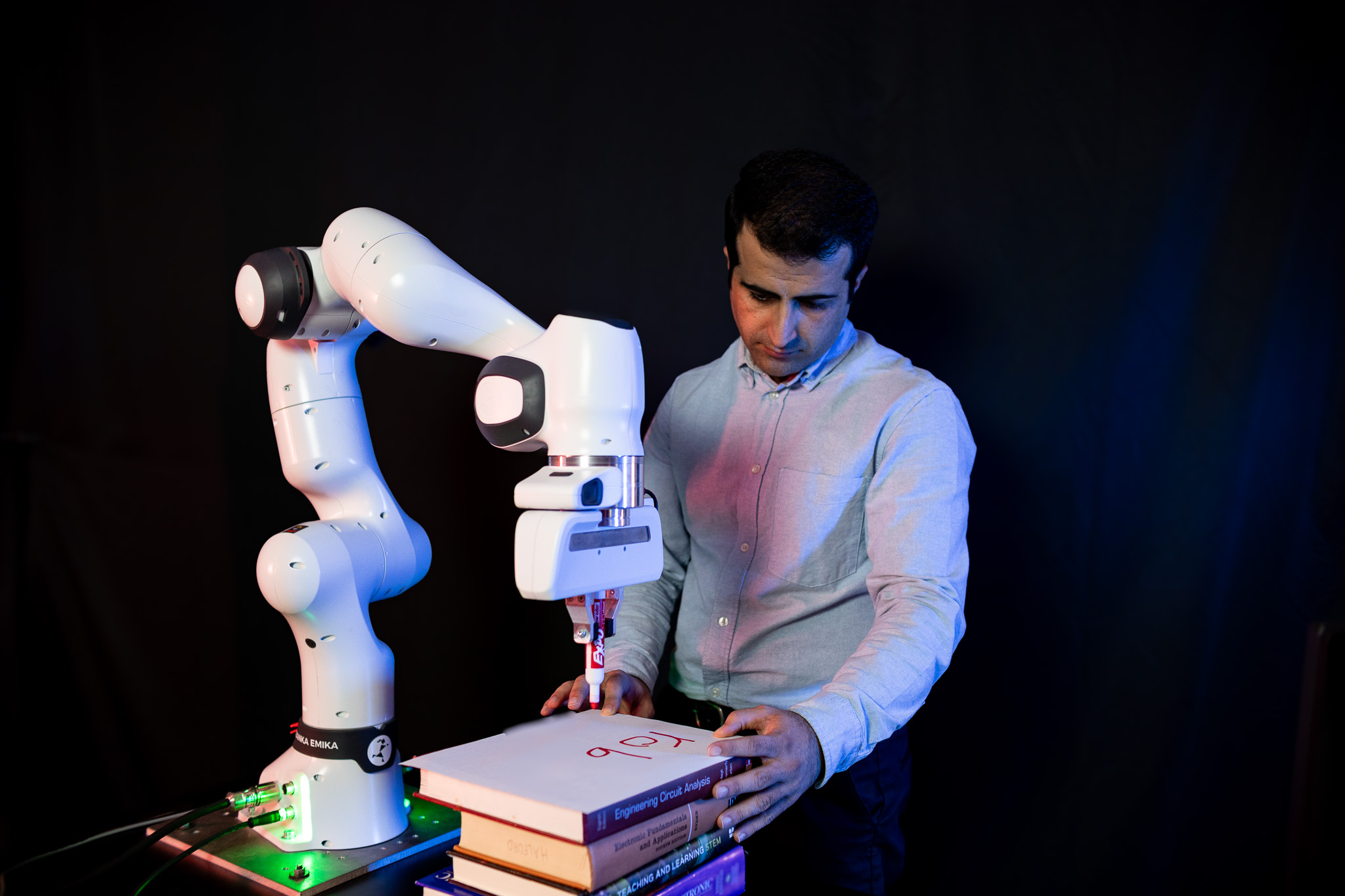
The Department of Electrical & Computer Engineering (EECE) has three main research focus areas:
- Electrical Systems
- Biomedical Systems
- Intelligent Information Systems
Connections to University Focus Areas
Several research endeavors as part of the Electrical Systems area support the University's hazard mitigation focus via homeland security and related defense applications. The Biomedical Systems area directly complements the University's focus on biotechnologies and healthcare. Much of the work in Intelligent Information Systems has application to the University's focus on learning technologies, as well as biotechnologies and health care. The areas within each of the Department's focus are as follows:
Electrical Systems
Sensor Networks
A sensor network refers to an interconnected system of distributed sensing nodes that collect, share, and interpret information about an operating environment in real time. These networks may include optical cameras, thermal imagers, radar, lidar, acoustic sensors, inertial sensors, GPS-denied navigation sensors, and other embedded sensing platforms. By combining information from multiple sensors, sensor networks can improve situational awareness, increase reliability, and support decision-making in environments where a single sensor may be limited or unreliable.
Our research focuses on the development of sensor networks and intelligent sensing methods for operation in degraded visual environments, including smoke, fog, dust, low-light conditions, cluttered terrain, and GPS-denied or GPS-degraded environments. These conditions present major challenges for navigation, perception, target detection, and autonomous system control. We are particularly interested in sensor fusion methods that combine data from multiple sensing modalities to improve navigation accuracy, environmental understanding, and system resilience when visual information is partially obscured or unreliable.
A major component of this work involves the application of Artificial Intelligence and Machine Learning techniques to enhance perception, navigation, and detection capabilities. We develop AI-enabled algorithms for feature extraction, object detection, scene understanding, anomaly detection, and adaptive sensor fusion. These methods are used to support autonomous and semi-autonomous navigation systems that must operate safely and effectively in complex and uncertain environments.
We further apply these techniques to drone detection, drone-based sensing, and autonomous aerial systems. This includes the development of intelligent methods for detecting, tracking, and classifying drones using distributed sensor networks, as well as using drones as mobile sensing platforms for environmental monitoring, situational awareness, and navigation support. Our research explores how applied AI can improve the ability of drones and ground-based sensor systems to sense, interpret, and respond to dynamic environments, particularly when traditional visual sensing is degraded.
Overall, this area of focus seeks to advance intelligent sensor networks, AI-enabled perception, and robust navigation technologies for challenging operational environments. The goal is to improve the reliability, autonomy, and effectiveness of sensing systems used in degraded visual environments, drone detection, and drone-assisted sensing applications.
Faculty: Dr. Robinson
Smart and Micro Grids
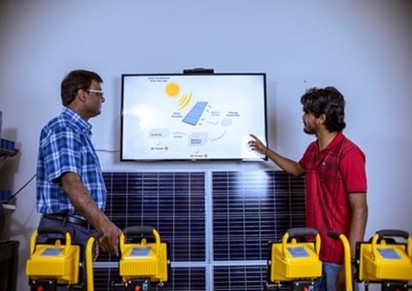
A smart grid refers to a modernized, digitized electricity network that uses two-way communication, sensors, and automated control systems to monitor and manage electricity flow in real time. It enables reliable, efficient, and secure energy delivery, integrating renewable sources, reducing outages, and facilitating demand-side management. Smart grids are crucial for upgrading aging infrastructure to meet the rising demand for electricity, supporting the shift toward electrification, and improving grid resilience. A microgrid is a localized, controllable energy system that connects to the main grid but can also operate independently in "island mode". It connects local generation (like solar panels), energy storage (batteries), and consumers, offering improved reliability, resilience, and sustainability. Our research focuses on developing new control methods to augment the dynamic performance of smart and microgrid systems. Currently we are focusing on the development of advanced intelligent controller methods for the smart inverters of the solar photovoltaic (PV) systems that can enhance the capabilities to maintain reliable and stable power transfer. We further introduce the latest Artificial Intelligence (AI) and Machine Learning (ML) techniques for designing the controllers.
Faculty: Dr. Hasan Ali
Dynamic Wireless Charging of Electric Vehicles
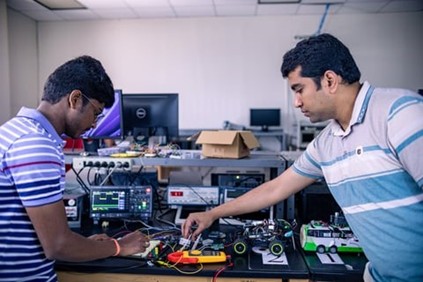
One major drawback of electric vehicle (EV) charging stations is their limited availability and uneven distribution, which can lead to inconvenience and range anxiety for EV drivers, especially in areas with sparse infrastructure. Additionally, the charging time required for electric vehicles can be significantly longer, posing a challenge for drivers in need of quick recharge. To overcome this problem, dynamic wireless charging (DWC) technology can be used. There are two types of DWC systems, namely road coil to vehicle charging and vehicle-to-vehicle (V2V) charging. DWC addresses range anxiety in EV owners by enabling continuous charging while driving, ensuring uninterrupted travel flexibility. This technology also promotes the adoption of smaller battery sizes, reducing vehicle weight and cost while enhancing energy efficiency and sustainability. However, DWC scheme faces challenges due to lateral misalignment that occurs when the primary and secondary coils fail to align properly, reducing power efficiency and risking accidents. Our research aims to develop suitable controllers including artificial intelligence (AI) based controllers to compensate for misalignment issues in both types of DWC systems.
Faculty: Dr. Hasan Ali
Self-Assembled Nanostructures
Dr. Russell Deaton's research spans the intersection of electrical engineering, molecular computing, and nanotechnology, with a unifying focus on self-assembly as a computational and constructive principle. His early work established thermodynamic and algorithmic foundations for DNA-based computing, including the design of non-cross hybridizing oligonucleotide libraries and biomolecular memory systems. This evolved into a sustained program on tile self-assembly — using DNA tiles as programmable building blocks to grow complex nanostructures and simulate computational processes such as cellular automata and directed percolation. More recently, his work has taken a striking turn toward self-assembling electric circuits, developing models in which circuits grow autonomously under voltage- or frequency-controlled rules, forming axon-like bioelectric networks and LC ladder structures capable of logical computation. The underlying mathematics — transfer matrices, Chebyshev recurrences, and Diophantine termination bounds — connects this circuit-growth framework to a broad range of physical phenomena: the localization of electron wavefunctions in quasi-periodic quantum lattices (Aubry-André/Hofstadter physics), signal attenuation limits in quasi-periodic RF metamaterials and photonic crystals, decoherence propagation lengths in 1D superconducting qubit chains, and self-limiting growth in biological polymers such as actin filaments, amyloid fibrils, and microtubules. Across all of these threads, the animating question is how local interaction rules — whether in DNA hybridization, tile attachment, circuit growth, or molecular binding — give rise to globally structured, self-terminating systems of predictable size and function.
Faculty: Dr. Deaton
Control Systems
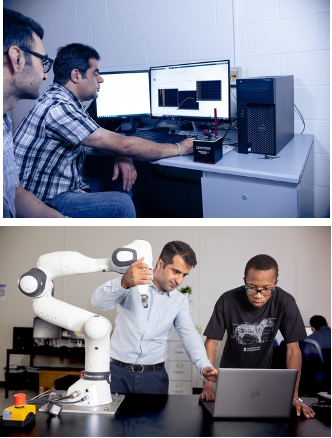
Control systems serve as the brain of modern engineered systems, continuously processing sensor information and generating control actions to achieve desired behavior. They are embedded in applications ranging from everyday technologies such as thermostats and adaptive cruise control to complex systems such as autonomous vehicles and spacecraft, often involving multiple interacting control loops. As systems increasingly operate autonomously across diverse environments ranging from structured indoor settings to harsh and unstructured conditions, they must handle uncertainty, disturbances, and strict safety constraints. A key challenge is enabling these systems to make reliable and safe decisions in real-time. Our research focuses on the development of advanced control methodologies, including safety-critical and robust control for systems operating under uncertainty, disturbances, faults, and adversarial conditions. In addition, we develop learning-enabled control approaches in which systems learn from demonstrations (e.g., human or expert guidance) to infer desired task behaviors and subsequently synthesize control policies that enforce these behaviors while guaranteeing safety and stability. These methods are applied to autonomous vehicles, robotic systems, energy systems, and broader cyber-physical systems operating in dynamic and uncertain environments.
Faculty: Dr. Davoodi
Imaging sensors and electronic devices
Imaging sensors provide a rich source of information about our environment. They can be used to track the location and motion of vehicles and people. They can also be used to identify objects, processes, and materials in the environment. Our research considers these uses of imaging sensors in the areas of defense, precision agriculture, and environmental sensing. Often deployed on unmanned aerial systems (UAS) or drones, we use imaging sensors in the visible, near-infrared, short wave infrared, and long wave infrared regions of the electromagnetic spectrum to ascertain whether an object is real or a decoy, whether plants are suffering from some kind of stress, and whether or not illegal dumping and litter is taking place along streams. We have also created acoustic sensors for detecting and locating drones and a drone-based radar system.
Faculty: Dr. Eddie Jacobs
- U.S. Army Night Vision and Electronic Sensors Directorate (NVL)
- Redstone Technical Test Center (RTTC)
- U.S. Army Research Lab (ARL)
- Office of Naval Research (ONR)
- EOIR Inc., and ERC Inc.
Biomedical Systems
-
Biomedical Sensors and Systems
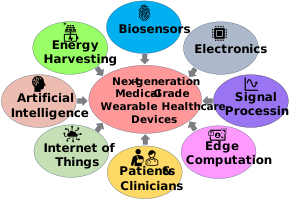
Biomedical Sensors and Systems is an interdisciplinary field focused on developing smart, body-integrated technologies that continuously measure health signals, process medical data, and detect physiological changes in real time. In our program, we leverage this field to design next-generation wearable devices that make daily healthcare proactive, predictive, and accessible to everyone. We are distinguished by our unique ability to engineer entire health monitoring systems completely from scratch, designing our own smart sensors, custom circuit boards (PCBs), and device software in-house rather than relying on off-the-shelf devices. Our projects include creating comfortable wearable sensors, such as smart headbands, that track brain activity accurately even while a patient is moving. This hardware is built with advanced light-sensing technology that automatically adjusts to work reliably and accurately for every individual, regardless of physiological differences. Alongside hardware, we develop interpretative "Causal AI" models, artificial intelligence that goes beyond finding simple correlations to understand the actual root causes of a patient's condition by combining different medical data streams. Additionally, we are pioneering advanced wearable platforms that lay the groundwork for "virtual twins" of patients. By continuously monitoring interacting body systems, such as brain activity, heart signals, and breathing patterns, these virtual models are designed to forecast sudden health emergencies, such as sepsis, hours before physical symptoms even show. Ultimately, we aim to build highly robust, practical devices that can be used in everyday life to improve outcomes for patients, family caregivers, and doctors alike.
Faculty: Dr. Saikia
Big Biomedical Data
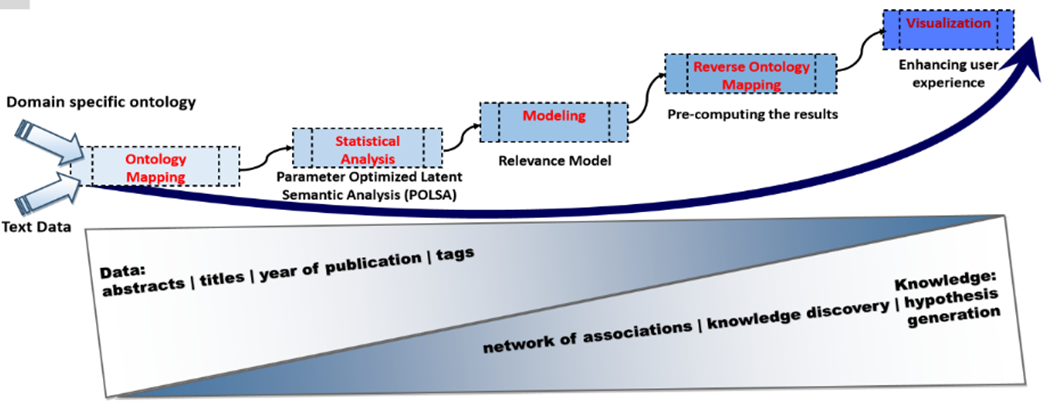
The interdisciplinary team is working on the following core strands:
- Medical image interpretation: AI-enabled systems for interpreting multimodal radiology data and generating structured diagnostic reports, particularly for spinal disorders. These models emphasize clinical fairness, interpretability, and deployment readiness.
- Big Biomedical Data: Designed and implemented ARIANA, a semantic network linking diseases, drugs, risk factors, and lifestyle elements through ontology mapping and latent semantic analysis. This platform supports personalized medicine by uncovering hidden relationships across biological, clinical, and literature-based data.
Faculty: Dr. Yeasin
Cognitive Engineering
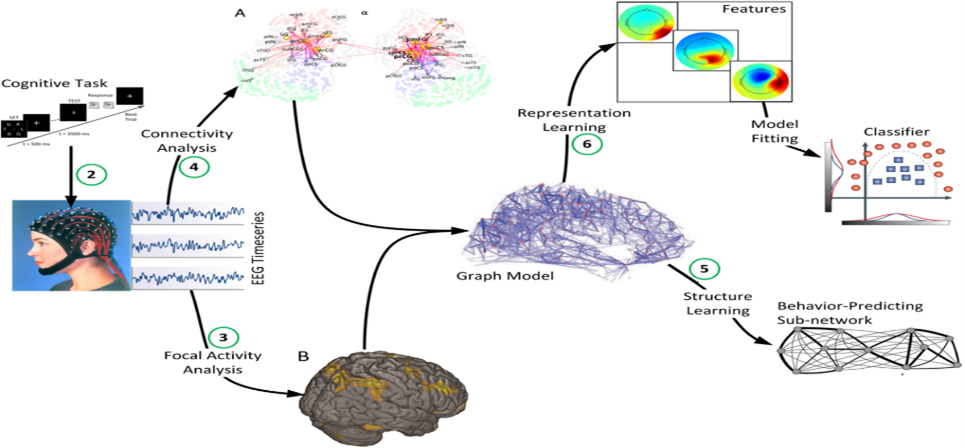
Applied deep learning and graph-based models to study categorical perception, cognitive load, and working memory using EEG data. Developed tools for automated seizure onset zone detection, drastically reducing clinician review time. A landmark study published in Annals of Neurology overturned the long-standing belief that seizures begin with excitatory neurons. Our team discovered that low-voltage fast seizures are initiated by inhibitory interneurons, shifting the paradigm for seizure research and treatment. Additional work includes deep neural architectures for real-time mental state prediction from EEG signals.
Faculty: Dr. Yeasin
- American Heart Association
- National Science Foundation (NSF)
- National Institutes of Health (NIH)
Intelligent Information Systems
-
Artificial Intelligence
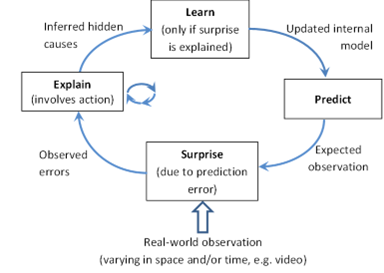
The goal of the Computational Intelligence Laboratory (CIL), directed by Dr. Bonny Banerjee, is to research and develop autonomous AI agents that can perceive, act, reason, and learn from big and small spatiotemporal data in multiple modalities. The agent framework, called SELP, developed and used in CIL is shown in the figure below. This framework has been applied to the Internet of Things, healthcare, transportation, security, and surveillance, funded by the National Science Foundation, the Department of Homeland Security, the Army, St. Jude Children's Research Hospital, and the City of Memphis.
Faculty: Dr. Banerjee
Robotic Systems
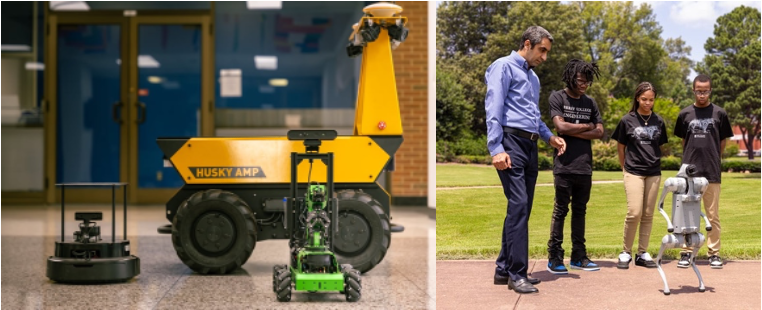
Robotic systems are increasingly present in everyday life, from household devices such as robotic vacuum cleaners to advanced platforms in healthcare, agriculture, manufacturing, and space exploration. These systems require the integration of perception, control, communication, and decision-making to operate safely and autonomously in real-world environments. Our research focuses on the design, control, and deployment of intelligent robotic platforms, including mobile robots (both aerial and ground) for sensing, monitoring, and interaction with the environment, as well as multi-robot systems that enable coordinated tasks such as area coverage, exploration, and data collection. We also study robotic manipulators for interaction tasks such as handling and harvesting, and soft robotic systems composed of networks of electromagnetic soft actuators, designed for inherently safe human–robot interaction and assistive applications. These efforts enable applications in diverse domains, including precision agriculture, defense-related systems, and assistive robotics.
Faculty: Dr. Davoodi
Cybersecurity in Power Grids
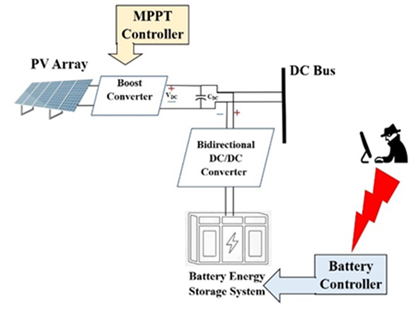
Power grids face critical, growing cybersecurity threats from nation-states and criminals targeting Industrial Control Systems (ICS) and Supervisory Control and Data Acquisition (SCADA) systems. Key issues include ransomware, phishing, and supply chain attacks. The shift to smart grids and increased reliance on automated, IP-based communication expands the attack surface, creating risks of widespread, long-term blackouts, data theft, and physical damage. In this regard, our research is focused on the development of Artificial Intelligence (AI) and Machine Learning (ML) based techniques for the detection and mitigation of cyber-intrusions on various components of power grids. We also analyze the impacts of well-known cyber-attacks, such as the False Data Injection (FDI) attack and Denial of Service (DoS) attack on the battery energy storage system controller through MATLAB simulation models.
Faculty: Dr. Hasan Ali
Assistive Technology
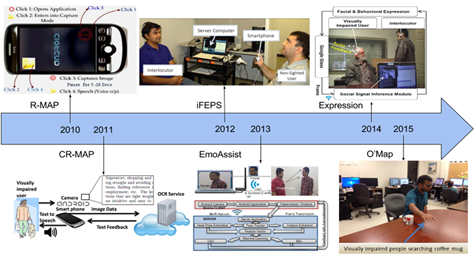
Dr. Yeasin’s research vision is to engineer intelligent systems that empower communities, improve quality of life, expand accessibility, and foster sustainability. He considers Intelligent Systems Engineering a truly transdisciplinary field — one that integrates adaptive, human-centered, and ethically grounded approaches. Central to his vision is a commitment to confronting the ethical challenges posed by AI, including transparency, explainability, and bias. Recognizing the risk that AI may worsen existing inequalities, he prioritizes inclusive design to ensure that adaptive technologies improve healthcare, enhance accessibility, and support sustainable development. His approach also advocates the AI-X paradigm, which effectively combines artificial intelligence with specialized expertise.
The assistive technology leads the Blind Ambition initiative, pioneering adaptive tools for individuals with visual impairments. Projects such as Gus (an AI-enabled robotic guide dog), Expression, Emo-Assist, and O-Map introduced the concept of “assistive thinking”—a fusion of participatory, systems, and design thinking — to reduce cognitive burden.
Faculty: Dr. Yeasin
DA-Weed: Drone for AI-enabled Precision Laser Weed Control for Food Production
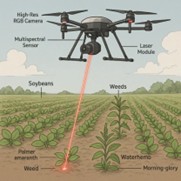
Overview: Imagine a farming solution that sustainably eliminates weeds without chemicals, ensuring food safety, lowering long-term production costs, and protecting our planet. Our AI-driven precision laser control system identifies and removes weeds at scale with high precision. It will enable farms to increase productivity, profitability, and sustainability simultaneously.
Problem: Food grown using herbicides comes at a high hidden cost: damaged soils, contaminated groundwater, reduced biodiversity, and potential health risks from chemical residues linked to chronic diseases, such as cancer. Relying on herbicides to grow food isn't only environmentally harmful, but also economically unsustainable. Herbicide-dependent farming costs growers $50–$90 per acre annually, with the addition of herbicide-resistant weeds incurring extra expenses. Adopting precision AI-enabled laser weeding will reduce long-term weed-control costs by up to 60%, increase yield by 10% or more, and unlock premium organic pricing, making sustainable agriculture not only environmentally essential but also economically compelling.
Solution: DA-Weed is a precision laser weed control system designed to revolutionize farming without the use of herbicides. This drone-based AI-enabled system combines aerial robotics, real-time imaging, and deep learning algorithms to autonomously identify, target, and eliminate weeds with precision laser technology. Equipped with onboard GPUs, drones process high-resolution visual and spectral data to distinguish crops from weeds. Precision-mounted laser modules then deliver targeted energy bursts to destroy weeds at the meristem level, minimizing collateral damage. This system enables scalable, non-contact weed control across variable terrain, supporting regenerative, chemical-free agriculture with high spatial and temporal resolution.
Faculty: Dr. Yeasin
AI-enabled Companion
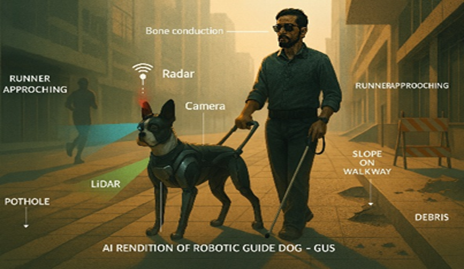
Imagine a world where the simple act of walking to the store or meeting a friend for coffee is a major challenge.
- Gus - Emotionally intelligent companion
- A cost-effective ($2,000) alternative to traditional guide dogs, with training cost range from $40,000 - $60,000, excluding the ongoing costs of care.
- Our mission is to empower blind and low-vision individuals with safe, affordable, accessible, intelligent reliable, and assistive solutions
- Vision: We envision a future where technology is an equalizer for blind and low-vision individuals.
Faculty: Dr. Yeasin
Dialogue-Enabled Interfaces & Non-Verbal Communication
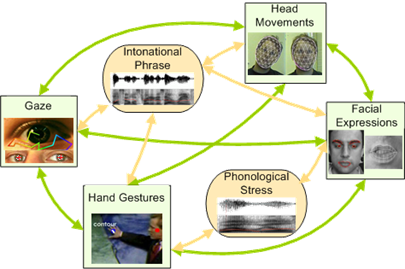
Advanced the modeling of non-verbal behavior through joint analysis of signals and sensory data, which led to natural, dialogue-enabled interfaces and the foundational technology for the spin-off company Videomining.
Faculty: Dr. Yeasin
- NSF
- ARL