Applied Physiology and Neuromechanics (PhD)
Study the science behind human movement — and become the researcher who advances it.
On Ground
Format
72/36
Credit Hours
GRE
Not Required
2
Concentrations
Explore the program
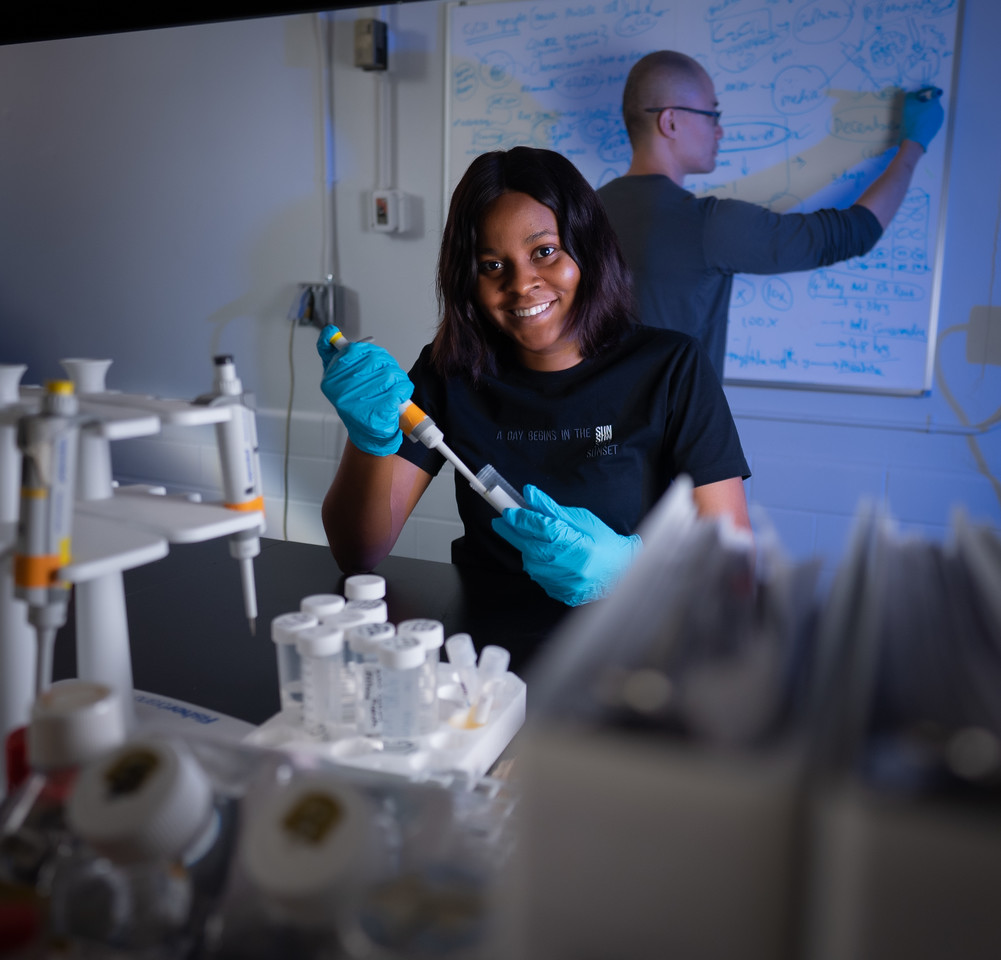
The Applied Physiology and Neuromechanics (APNM) PhD is a research-oriented doctoral program built to prepare you for a career in academic, medical and clinical research or in higher education.
About the Program
The doctoral program immerses you in the research process through intensive mentoring by experienced researchers. You'll develop the ability to work independently as a researcher while collaborating with faculty and colleagues at every stage — from question to design to publication.
Research is at the center of the APNM experience. From your first semester you work under a Full Graduate Faculty Mentor and contribute to active research in the laboratories supporting your concentration.
Entry Points
Both concentrations admit students at two stages. Your entry point determines the total credit hours required and how your program of study is phased.
| Entry point | Minimum credit hours | Structure |
|---|---|---|
| Post-bachelor's | 72 | Complete the post-bachelor's phase, earn the MS along the way, then continue through the doctoral phase |
| Post-master's | 36 | Enter directly into the doctoral phase with a completed master's degree |
Full requirements for each phase are detailed on the concentration pages.
The Research Experience
Learn by doing. Then learn to lead the doing.
You're immersed in the research process throughout your doctoral training. Through close faculty mentorship you build the skills to design, conduct and communicate research that contributes to your field.
The experience is deliberately two-sided: it prepares you to work independently as a principal investigator, and to collaborate effectively with faculty and other researchers across disciplines.
Experimental DesignData Collection & AnalysisLaboratory TechniqueGrant PreparationManuscript WritingScientific Presentation
Choose Your Concentration
You apply to one of two concentrations, which focuses your doctoral training in a specific area of research. Because doctoral study is built around a mentorship from the start, your application is reviewed by faculty in the concentration you choose.
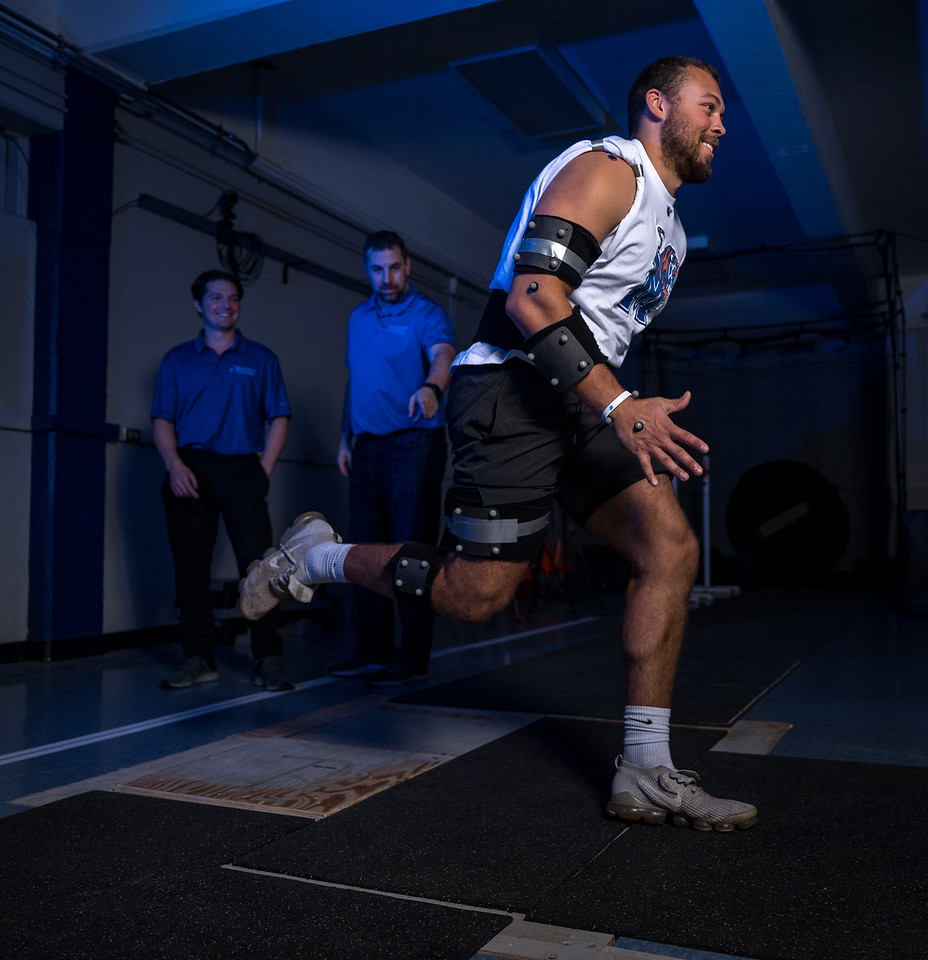
Applied Biomechanics (APBI)
Examine the role of body mechanics and structure in human movement applications through research-focused doctoral study.
Applied Physiology and Nutrition (APHN)
Pursue interdisciplinary training in basic and translational science, focused on the role of nutrition in health and disease.
Program Details
| Degree | Doctor of Philosophy (PhD) |
|---|---|
| Major | Applied Physiology and Neuromechanics (APNM) |
| Concentrations | Applied Biomechanics (APBI); Applied Physiology and Nutrition (APHN) |
| Credit hours | 72 post-bachelor's; 36 post-master's |
| Format | Full-time, on campus and in residence with a faculty research mentor |
Common Questions
Two. Applied Biomechanics (APBI) examines the role of body mechanics and structure in human movement applications. Applied Physiology and Nutrition (APHN) is an interdisciplinary concentration focused on the role of nutrition in health and disease.
Yes. Post-bachelor's entry requires a minimum of 72 credit hours total, completed across two phases — you earn a master's degree along the way. Post-master's entry requires a minimum of 36 credit hours.
Yes. You apply directly to one of the two concentrations, and faculty in that area review your application. Doctoral study here is built around a research mentorship from the start, so the fit between your interests and a faculty mentor matters from the first day.
Ready to Take the Next Step?
Explore the concentrations, review admission requirements or reach out with questions.
Graduate Admissions PhD Program Overview Meet the Doctoral Faculty
Program Contacts
Reach out to the coordinator for the concentration you're interested in.