
Language Research
Adult Language, Cognition, and Communication Lab
Bilingualism Research Laboratory
Directed by D. Kimbrough Oller, Ph.D., and co-directed by Linda Jarmulowicz, Ph.D., this laboratory conducts research on acquisition of language and literacy in bilingual children with specific focus on Spanish and English. The Spanish-speaking population is experiencing rapid growth in the Memphis area, resulting in many non-English speaking children entering school. The current line of research is funded by National Institutes of Child Health and Human Development and extends previous efforts by Oller. The focus is on the confluence of literacy and language skills that immigrant elementary school children must master. Phonological research is extensive within the laboratory, but vocabulary knowledge and a variety of other foundations for reading play a role in the research agenda. Both implicit phonological skills and explicit phonological awareness skills are measured and tracked in early elementary school. In addition, participating children are involved in a pre-literacy training program for 12 weeks during the school year. Dr. Buder also plays a significant role in the laboratory's function.
Cognition, Language, and Speech Laboratory
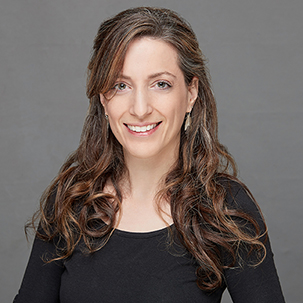
Directed by Naomi Eichorn, Ph.D., the Cognition, Language, and Speech Laboratory focuses on how cognitive processes, such as attention and memory, interact with speech and language functions. Current research in the lab examines contributions of attention to the occurrence of speech disfluencies and the implications of this relationship for the development and persistence of stuttering.
Communication & Neurodiversity Laboratory
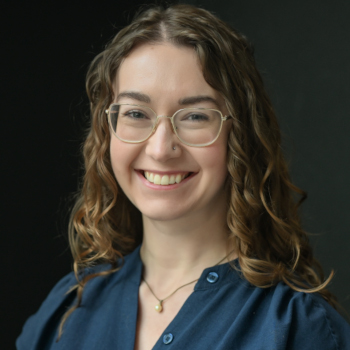
Directed by Morgan Jameson, Ph.D., the Communication & Neurodiversity Laboratory seeks to develop the evidence base for neurodiversity-affirming communication services and supports. Our research explores the unique features of autistic communication and the dynamics of interaction among people with diverse neurotypes. Current projects focus on how familiarity strengthens cross-neurotype communication, how SLPs view emerging therapy frameworks, and how autistic and non-autistic communicators use linguistic convergence and metalinguistic strategies.
Language Acquisition Laboratory
Directed by Linda D. Jarmulowicz, Ph.D., this laboratory explores typical and atypical language development in preschool and school-aged children. Current areas of study include lexical and phonological development and the relationship between oral language and literacy. Of particular interest is the intersection of derivational morphology with lexical, phonological, prosodic, and literacy factors.
Origin of Language Laboratory
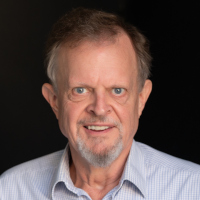
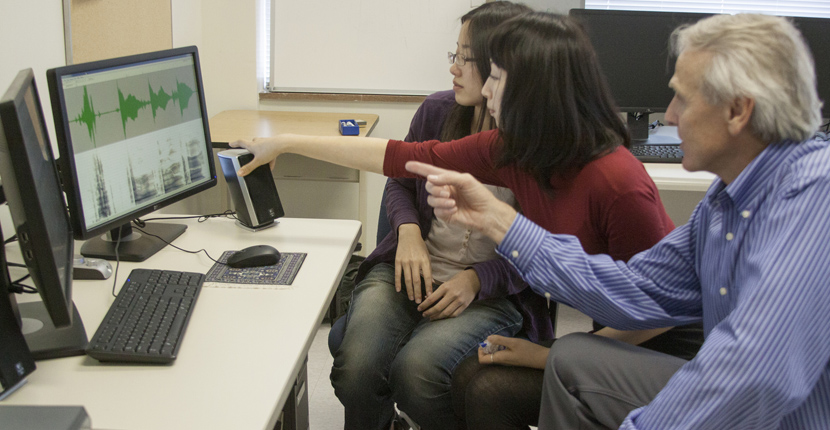
Directed by D. Kimbrough Oller, Ph.D. and Eugene Buder, Ph.D., the Origin of Language Laboratory is dedicated to research in infant vocal development and young child phonology. The laboratory continues a line of work that the primary director, Oller, has pursued for over 30 years under funding from the National Institutes of Deafness and other Communication Disorders (the current primary funding agency for the laboratory), the National Institutes of Child Health and Human Development, and the National Institutes of Mental Health, as well as a variety of private sources including, currently, the Plough Foundation. The laboratory is co-directed by Dr. Buder and is also utilized by Dr. Linda Jarmulowicz.
Social Interaction Laboratory
The social interaction laboratory, directed by Eugene H. Buder, Ph.D, is a specialized facility designed to support this focus area by acquiring video, audio, and physiological data from two persons engaged in conversation. The facility can be used for a variety of purposes, and has supported research in conversational management by persons with aphasia and persons who stutter, as well as collaborations in the areas of social psychology and discourse analysis. Buder's particular interest is in understanding how the dynamics of rhythmic and melodic aspects of speech behaviors support communicative coordination.
